The Lessons That Come With Moving On
I have moved more times than I care to count.
Each apartment and each house taught me something different. Some lessons were practical. Others were harder to name. But together they formed an education in what it means to make a place your own and then let it go.
The first time I left a rental I had no idea what I was doing. I packed boxes haphazardly. I forgot to document the condition of the walls. I had only a vague sense of how much notice to give landlord and nearly missed the deadline in my lease.
That scramble stayed with me. It made me pay closer attention to the unglamorous details that actually determine whether a transition goes smoothly or becomes a disaster.
The Romance and Reality of Real Estate
We attach enormous meaning to where we live.
A home represents stability and identity and aspiration all wrapped into one address. Real estate listings speak to our fantasies about who we might become in a different space. That sunlit kitchen. That reading nook. That view.
I have fallen for my share of properties that looked perfect in photographs. The reality always contained surprises.
One apartment had walls so thin I could hear my neighbor's alarm clock. Another sat above a restaurant whose cooking smells permeated everything I owned. A house I nearly purchased turned out to have serious issues that only emerged during inspection.
These experiences cured me of romantic thinking about property. I learned to look past the staging and ask harder questions.

What Due Diligence Actually Means
The phrase "due diligence" gets thrown around constantly in real estate.
For years I thought it simply meant getting an inspection and reviewing the paperwork. Basic steps that any reasonable person would take. Box-checking before signing.
I was wrong.
Real due diligence means investigating what is not obvious. It means understanding the history of a property and its surroundings. It means asking questions that might seem excessive until you realize what you could have missed.
I learned this lesson when a friend purchased land that looked pristine. Rolling hills and mature trees and all the right aesthetics. What she did not know was that the site had previously housed industrial operations that left behind invisible contamination.
The cleanup costs nearly bankrupted her.
After that I understood why serious buyers hire contaminated land specialists and environmental consultants before committing to purchases. The expense seems unnecessary until you consider the alternative.
Learning to Read Between the Lines
Property transactions involve enormous amounts of documentation.
Leases and contracts and disclosures and reports. Most people sign without reading carefully. I know because I used to be one of them.
Now I read everything. I ask about clauses I do not understand. I request explanations for anything that seems vague or unusual. The professionals on the other side sometimes seem impatient with my questions.
I ask anyway.
This approach has saved me from several bad decisions. Hidden fees that would have accumulated. Maintenance responsibilities that seemed unreasonable. Exit terms that would have trapped me longer than I wanted.
The documents contain the real agreement. Everything else is just conversation.
The Emotional Weight of Leaving
Not all lessons about property are practical.
Some involve learning to recognize when a place no longer serves you. This is harder than it sounds. We become attached to our surroundings in ways that resist logic.
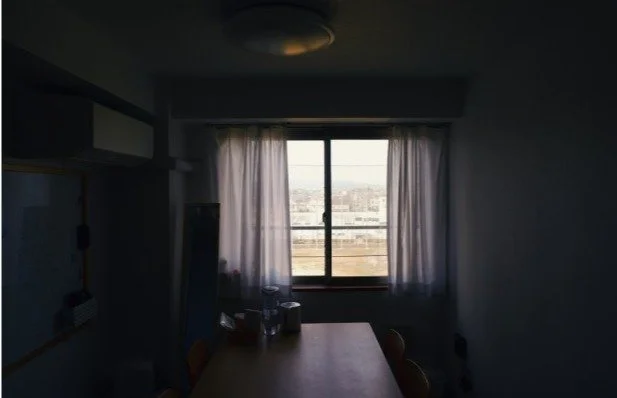
I stayed too long in an apartment that made me unhappy because leaving felt like admitting failure. The neighborhood had declined. The building had deteriorated. But I had invested so much in making it work that walking away seemed like waste.
A friend finally asked me a simple question. Would you move here today if you did not already live here?
The answer was obviously no. I gave notice the following week.
What Neighborhoods Teach Us
Every place I have lived taught me something about community.
The block where everyone knew each other's names. The building where no one made eye contact in the elevator. The street that felt safe during the day but uncomfortable after dark.
These qualities never appeared in listings. They could only be discovered through presence. Walking the sidewalks at different hours. Shopping at local stores. Sitting in nearby parks and watching who else showed up.
I now consider this research essential before any move. The physical space matters less than the context surrounding it. A perfect apartment in a wrong neighborhood remains a wrong choice.
The Costs We Forget to Calculate
Moving involves obvious expenses. Deposits and fees and truck rentals and new furniture.
But the hidden costs often exceed the visible ones.
Time lost to logistics and coordination. Energy spent adjusting to new routines. The social friction of establishing yourself somewhere unfamiliar. The months it takes before a new place feels like home rather than just housing.
I factor these costs into decisions now. Sometimes paying more for stability makes sense even when cheaper options exist. The savings from constant movement often prove illusory.
Making Peace With Impermanence
I used to believe that finding the right home would mean never moving again.
That fantasy has faded. I now accept that circumstances change and needs evolve and places that fit perfectly at one stage become wrong for the next.
This acceptance has made moving less traumatic. If every residence is temporary then leaving becomes natural rather than catastrophic. The goal shifts from finding forever to finding what works for now.
My current place will not be my last. I know this already. Someday I will pack boxes again and hand over keys and start fresh somewhere else.
When that time comes I will be ready. I will read every document and investigate every question and leave with enough notice to avoid scrambling. The lessons from previous moves will travel with me even as the addresses change.
That knowledge is the only permanent home any of us actually possess.