The role that tree trimming plays in increasing property value

This makes trees in residential property highly valued, as they contribute significantly to aesthetics and environmental benefits, which result in an increase in property value. However, a tree's positive impacts rely on its condition and maintenance. The most essential part of tree care is tree trimming. Tree trimming, as an integral part of tree care, serves a vital role in adding more value to a property. This article explores the multifaceted relationship between tree trimming and property value.

The Aesthetic Benefits of Healthy Trees

Perhaps one of the most immediate values of hiring tree trimming and pruning specialists is that it can significantly improve property curb appeal. Well-maintained trees, expertly trimmed by professionals, add beauty and visual appeal to a home, making it more attractive to potential buyers. On the other hand, neglected or unruly trees can give the opposite impression—conveying a sense of neglect—which can make a home less appealing.

Good landscaping, including well-trimmed trees, increases the value of a home valued between 3% and 15%. The main reason attributed to the increased value is due to the aesthetic appeal of well-kept trees to enhance the property and its surroundings. A well-shaped tree creates focus in a yard, captures attention, and adds character to the landscape.

Environmental Benefits

Other than aesthetics, trees offer multiple environmental benefits that can enhance the value of a property. A well-managed landscape with properly trimmed trees enhances the quality of air by helping the trees absorb pollutants and the oxygen that they emit. It also provides shade, directly lowering the money spent on home energy usage, especially when summer months hit, when AC use becomes significantly higher.

Strategically sited trees can block the cold winds in winter and act as natural windbreaks which keep the indoor temperature comfortable. This doesn't only improve the energy efficiency of homes but also attracts environmentally sensitive buyers who are moving houses after keeping an eye out for it.

Besides that, trees are known to improve biodiversity, especially by providing different forms of wildlife habitations. Healthy diversity can add much ecological value to a property, thus attracting potential buyers who recognize the value of nature and its rewards.

Safety and Liability Issues

It is also a safety measure because trees that are overgrown or damaged may cause falling branches during storms or strong winds, which may lead to damage to properties or even injury to people. Hazardous trees may also make houses unattractive to potential buyers because of safety concerns. Regular pruning will remove the problems found in the dead or weak branches and maintain the health and structural integrity of the tree.

Second, properties that seem to have trees in good condition do not likely suffer losses in court due to accidents caused by those trees. The buyer will spend most of his money in homes where he is assured of safety from certain dangers.

Psychological Benefits

It has been proven that there is a psychological effect of trees, helping to enhance mental well-being. Controlled research has proven that people in green spaces experience reductions in stress factors and encourage relaxation and tranquility. Well-manicured trees in any property make it attractive to its surroundings and prompt a person to spend time outdoors and bond with nature.

This psychological advantage means that the property value increases because more buyers are in search of homes offering a serene environment that can likely be enabling mental well-being. A property providing aesthetic beauty and emotional comfort is probably going to attract premium value in the market.

Best Practices for Tree Trimming

In order to take an advantage of tree trimming for property value, best practices for homeowners to adopt are:

  • Regular Trimming: Ensure that regular trimming sessions are scheduled for every year or even twice a year especially for fast-growing tree species. This will keep the health and appearance of the trees.

  • Professional Trimming Services: Only certified arborists would be able to ensure that proper and safe trimming was done. Professionals might detect problems, such as disease infestation and pests, that may require more than just simple trimming.

  • Timing for Each Season Prune when trees are dormant; in late fall to early spring when they are least stressed. Avoid radical pruning during growth.

  • Form Over Function Prune for structure, not only for form. Remove rubbing branches and anything growing in toward the center of the tree to encourage your tree's natural growth habits.

  • Consider Tree Species: All species grow at various rates and require diverse maintenance needs. This informs and advises on scheduling the effective trimming cycles.

  • Avoid Topping: Topping entails cutting various thick branches from the tree with no well-thought plan. Such uncontrolled cuts of significant parts of the tree can cause harm and lead to unhealthy growth. Instead, learn selective pruning that will spur the natural growth of trees.

Conclusion

Tree trimming goes beyond just aesthetic value; it is an investment that will strategically work on enhancing the value of your property. Healthy, well-trimmed trees will greatly increase the curb appeal and environmental benefits, its safety, and general desirability in the real estate market.

With more urban development and growing regard for green spaces, proper tree maintenance will become a crucial factor that homeowners will seek in order to upgrade their investment further. Trees can continue to grow towards the benefit of properties while positively contributing to the overall community landscape.

Essential Tips for Childproofing Your Home Without Sacrificing Style

As you embark on the exciting journey of parenthood, ensuring your home is safe for your little one becomes a top priority. However, transforming your carefully curated living space into a childproof fortress can be daunting. Fear not – you don't have to sacrifice style for safety. You can create a child-friendly, aesthetically pleasing home with creative thinking and strategic planning. In this article, you'll discover essential tips for childproofing your home, such as adding durable waterproof vinyl flooring while maintaining its charm and character. You'll learn to balance protection and design, from clever storage solutions to innovative safety products.

Create a Kid-Friendly yet Stylish Entryway

Your home's entryway sets the tone for your entire living space, and with a few thoughtful adjustments, it can be both child-safe and aesthetically pleasing. Here's how to achieve that perfect balance:

Incorporate Functional Storage Solutions

Invest in stylish storage options that keep clutter at bay while providing easy access for little ones. Consider a sleek bench with built-in cubbies or decorative baskets for shoes and toys. Wall-mounted hooks at child height encourage independence and keep coats off the floor.

Choose Durable, Easy-to-Clean Surfaces

Opt for resilient materials that can withstand the wear and tear of family life. A washable, patterned rug adds visual interest and hides dirt and spills. Wipeable paint or washable wallpaper in neutral tones creates a sophisticated, simple backdrop.

Create a Safe, Welcoming Space

Install a full-length mirror with rounded edges to brighten the area and allow children to see themselves. Use soft, diffused lighting to create a warm ambiance while eliminating harsh shadows. Consider a playful yet elegant art piece or family photo gallery at eye level for adults and kids to enjoy.

By implementing these design strategies, you'll craft an entryway that's not only child-friendly but also a stylish introduction to your home. Remember, the key is to blend function with aesthetics, creating a space that grows with your family while maintaining its charm.

Choose Furniture with Safety and Design in Mind

When childproofing your home, selecting the right furniture is crucial for maintaining safety and style. Consider these tips to create a child-friendly space without compromising on aesthetics.

Opt for Rounded Edges

Sharp corners are a common hazard for active toddlers. Choose furniture with rounded edges or invest in corner guards that blend seamlessly with your decor. Many modern furniture designs incorporate softened corners without sacrificing sophistication.

Prioritize Stability

Select sturdy, heavy pieces that won't easily tip over. Look for dressers, bookshelves, and TV stands with anti-tip hardware. Choose furniture sets designed with stability and style for a cohesive look.

Consider Materials Wisely

Opt for easy-to-clean, durable materials like leather or performance fabrics for upholstered pieces. These choices withstand spills and stains and maintain their appearance over time. Consider wood or laminate finishes that resist scratches and dents for tables and storage units.

Embrace Multifunctional Designs

Maximize space and minimize clutter with furniture that serves multiple purposes. Ottoman storage units, coffee tables with built-in toy boxes, or wall-mounted desks that fold away when not in use are excellent options. These pieces add functionality without compromising your home's aesthetic appeal.

By carefully selecting furniture that balances safety and style, you can create a child-friendly environment that suits your design preferences.

Select Easy-to-Clean and Durable Flooring Options Like Vinyl

Flooring is crucial for safety and style when childproofing your home. Vinyl flooring is a choice for families with young children, offering a perfect blend of practicality and aesthetics.

Durability Meets Design

Vinyl flooring boasts exceptional durability, withstanding the daily wear and tear of active little feet, toy cars, and inevitable spills. Its resilience doesn't come at the cost of style—modern waterproof vinyl options mimic the look of hardwood, stone, or tile, allowing you to maintain a sophisticated appearance while prioritizing functionality.

Easy Maintenance for Busy Parents

One of vinyl's standout features is its ease of cleaning. A quick sweep or mop is usually sufficient to tackle most messes, saving you precious time and energy. This low-maintenance quality is invaluable when juggling the demands of parenthood and home upkeep.

Safety First

Vinyl provides a softer surface than hardwood or tile, reducing the risk of injury from falls. Many vinyl options also offer slip-resistant properties, an essential feature for preventing accidents in high-traffic areas or bathrooms.

Allergy-Friendly Alternative

For families concerned about allergies, vinyl flooring presents a hypoallergenic option. Unlike carpet, it doesn't trap dust, pet dander, or other allergens, contributing to a healthier indoor environment for your little ones.

By choosing vinyl flooring, you're investing in a child-friendly home that doesn't compromise style or safety. It's a smart solution that grows with your family, offering long-lasting performance and timeless appeal.

Use Clever Storage Solutions to Minimize Clutter

Maximize Vertical Space

When childproofing your home, it's essential to think vertically. Utilize wall-mounted shelves and cabinets to keep potentially hazardous items out of reach while maintaining a stylish aesthetic. Install floating shelves in a playful pattern, or opt for sleek, minimalist designs that blend seamlessly with your decor. These storage solutions keep your space organized and add visual interest to your rooms.

Invest in Multi-functional Furniture

Choose furniture pieces that serve dual purposes to optimize space and reduce clutter. A storage ottoman can hide toys while providing extra seating, while a coffee table with built-in drawers offers a convenient spot to stash remote controls and other small objects. Look for beds with under-bed storage or dressers that double as changing tables. These smart choices help maintain a clean, uncluttered look while keeping essential items close at hand.

Create Designated Play Areas

Establish specific zones for your child's toys and activities to contain the mess and make cleanup easier. Store toys and art supplies in stylish baskets, bins, or cubbies that complement your home's decor. Consider a rolling cart that can be easily moved from room to room, allowing you to keep playthings organized and out of sight when not in use. By designating play areas, you'll maintain a more organized home while giving your child a sense of ownership over their space.

Decorate with Colorful and Playful Accents

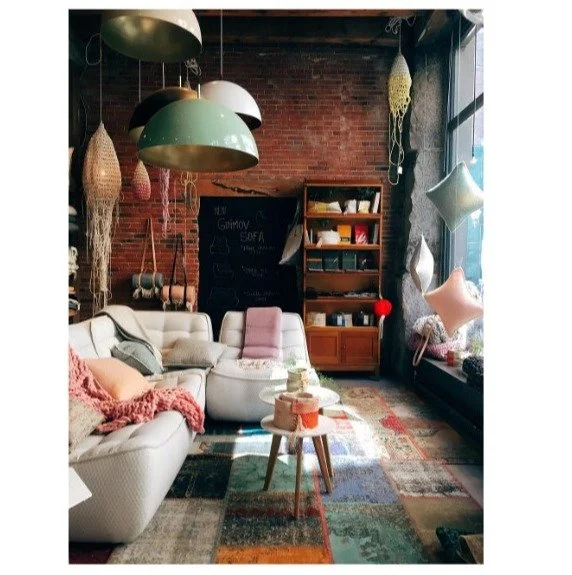
Childproofing your home doesn't mean sacrificing style. It's an opportunity to infuse your space with vibrant, playful elements that you and your little ones will love. By incorporating colorful and engaging accents, you can create a safe environment that's also visually appealing.

Embrace Soft Furnishings

Add a pop of color and texture with plush throw pillows, cozy blankets, and soft area rugs. These not only brighten up your space but also provide a cushioned landing for active toddlers. Opt for washable fabrics to make cleaning a breeze.

Incorporate Playful Wall Art

Transform blank walls into captivating focal points with child-friendly art pieces. Choose bold, graphic prints or whimsical illustrations that stimulate imagination. Secure frames properly to ensure they're safe for curious hands.

Utilize Stylish Storage Solutions

Attractive storage options can keep toys and clutter at bay. Colorful fabric bins, painted wooden crates, or sleek modular shelving units can add visual interest while maintaining organization. Look for rounded edges and sturdy construction to prioritize safety.

Add Functional Decor

Select decorative items that serve a dual purpose. A large, colorful clock can be a teaching tool and a stylish accent piece. Oversized floor cushions in fun shapes provide comfortable seating and double as play objects. By choosing pleasing and functional aesthetics, you'll create a space that grows with your child.

Conclusion

As you embark on childproofing your home, remember that safety and style can coexist harmoniously. By implementing these essential tips, like adding durable waterproof vinyl flooring, you'll create a secure environment for your little ones while maintaining your home's aesthetic appeal. From clever storage solutions to multi-functional furniture, the possibilities are endless. Embrace this opportunity to reimagine your living spaces, incorporating child-friendly elements that seamlessly blend with your existing decor. With creativity and thoughtful planning, you can achieve a home that is safe for your children and visually pleasing for adults. Your newly childproofed home will testify to your commitment to family safety and personal style.

The Ultimate Guide to Buying Steel Structures for Your Property

Steel structures have grown in popularity for both residential and commercial applications. Known for their strength, durability, and versatility, steel buildings provide an excellent option for property owners who need reliable construction that will stand the test of time. Whether you’re planning to add a garage, workshop, barn, or storage unit, buying a steel structure involves careful planning. This guide will take you through everything you need to know, from choosing the right structure to selecting a trustworthy supplier, so you can make the best decision for your property.

1. Benefits of Steel Structures

Steel structures offer many advantages over traditional building materials like wood or concrete. One of the most significant benefits is their durability. Steel is naturally resistant to elements like rot, pests, and fire, which means less maintenance and fewer repairs over time. It can handle harsh weather conditions, such as heavy snow, high winds, and even earthquakes, making it an excellent option for a wide range of climates.

In addition to durability, steel buildings are highly customizable. You can design a structure that fits your specific needs, from a small garden shed to a large warehouse or agricultural building. This flexibility allows you to create a space that perfectly suits your requirements without having to compromise on size or layout. Steel structures are also eco-friendly, as most steel used in construction is recyclable, reducing your carbon footprint.

2. Types of Steel Structures Available

When purchasing a steel building for your property, it’s essential to understand the different types available. The most common types of steel structures are prefabricated, modular, and custom-built. Prefabricated steel buildings come in standard sizes and are easy to assemble. They are ideal for those who need a quick, no-fuss solution for storage or workshops. These structures are delivered as a kit and can often be assembled by the buyer with minimal professional assistance.

Modular steel buildings are another popular option, offering more flexibility than prefabricated ones. They come in sections or modules that are constructed off-site and then transported to your property for assembly. Modular buildings are ideal if you need a larger space or specific features that aren’t available in prefabricated designs.

Custom-built steel structures provide the most freedom in terms of design and functionality. You can work with a manufacturer to create a building tailored to your exact specifications, from size and shape to window placement and door types, some examples of Real-world examples of flexible steel structures. While custom buildings can be more expensive and take longer to construct, they are perfect for those with unique needs.

3. Key Factors to Consider When Buying a Steel Structure

Before purchasing a steel structure, there are several critical factors to keep in mind. First, consider the purpose of the building. What will you use it for? This will help determine the size, design, and additional features you may need. For instance, if you’re building a workshop, you may need extra insulation and ventilation. On the other hand, a basic storage unit might require minimal customization.

Next, think about the location and environment. Different climates will affect your building choice. If you live in an area with heavy snowfall, you’ll need to ensure the roof can handle the load. In hot climates, you may want to consider insulation to keep the interior cool. Zoning regulations and building codes in your area are also important. Make sure you understand the requirements and restrictions for steel buildings on your property. Finally, budget plays a significant role in the decision-making process.

4. Choosing a Reliable Supplier

Selecting the right supplier is crucial when purchasing a steel structure. You want to ensure you’re working with a company that provides high-quality materials, excellent customer service, and reliable delivery timelines. Start by researching different suppliers, reading reviews, and checking references from past customers. A good supplier should be able to provide you with detailed information about the products they offer, including material specifications and warranty information.

Be sure to ask about the assembly process as well. Some suppliers offer full installation services, while others provide a kit with instructions for self-assembly. Choose a supplier that offers a process that aligns with your needs and budget. A reputable company will guide you through every step, from design to installation. A resource like the eaglebuildings.com website can help you explore various steel structure options, providing an easy way to compare features and find solutions that meet your needs. In addition to these factors, check whether the supplier offers ongoing support after the purchase to ensure any issues or concerns are promptly addressed. A reliable supplier should stand by their product and offer assistance when needed, even after the sale is complete.

5. Customization Options for Steel Buildings

One of the significant advantages of steel structures is the ability to customize them to suit your specific needs. Whether you’re building a small shed or a large commercial building, you can choose from various design options, such as roof styles, color schemes, and accessories like windows, doors, and ventilation systems. For instance, steel structures can be designed with gable roofs, which are excellent for shedding snow and rain, or with flat roofs, which are more suitable for warmer climates.

In addition to roof design, insulation is another critical customization option to consider. Proper insulation will help regulate the interior temperature of your steel building, keeping it cool in the summer and warm in the winter. You can also add features like skylights, ventilation fans, and climate control systems to enhance comfort and functionality.

6. Installation and Maintenance Tips

Once you’ve chosen the perfect steel structure, the next step is installation. Some steel buildings can be installed by the buyer with basic tools, especially if you’ve opted for a prefabricated kit. However, larger or more complex buildings may require professional installation. It’s essential to ensure that your building’s foundation is level and sturdy before assembling the structure. This will provide a solid base and ensure the longevity of your steel building.

Maintenance is another critical aspect to consider. While steel structures require less maintenance than wood buildings, they still need regular inspections to ensure everything is in good condition. Look for signs of rust or corrosion, particularly in areas where moisture may accumulate. Keep the exterior clean by washing it down with water and mild detergent to remove dirt and debris. Checking and repairing any leaks or damage to the roof or walls will prevent more significant issues from developing over time.

Purchasing a steel structure for your property is a smart investment, offering durability, flexibility, and cost-effectiveness. By understanding the benefits of steel buildings, considering the various types available, and carefully evaluating factors such as location, budget, and customization options, you’ll be well-equipped to choose the best steel structure for your needs. Working with a reliable supplier ensures you receive a high-quality product that meets your expectations, and proper installation and maintenance will guarantee your building lasts for many years.