Revamp Your Garden's Layout: Top Ideas for a Fresh and Modern Look

Are you looking to spruce up your garden but don’t know where to start? Wanting a fresh and modern look while not sure of the best route to take? Well, we have some top ideas that just might be right up your alley! Different gardens can have so much potential with their own unique beauty. Drawing inspiration from nature itself, let's dive into redesigning our beloved gardens for an updated, natural feel.  From boosting curb appeal or simply finding ways to make use of the area in general - no matter what type of output you are seeking – it all begins with revamping the layout first! So come join us as we discuss some exciting new design elements that could potentially help you create that dream garden atmosphere without too much hassle. This article will give you specific tips and tricks when planning out how you want your space to look moving forward.

Identify the Areas You Want to Revamp and Decide on a Budget

If you're feeling like your living space needs a bit of a refresh, the best place to start is by identifying the areas you want to revamp and setting a budget. Perhaps your bedroom needs new bedding, your bathroom needs a fresh coat of paint, or your living room could use a statement piece of furniture. So, whether you are looking to shop now at H Potter or you are looking to shop on a budget and do some DIY, it’s important to determine what your needs and wants are before making any purchases. Whatever the case may be, taking some time to plan out your ideas and finances can save you stress and headache down the line. Don't be afraid to get creative with your vision, but also keep in mind what is practical and feasible within your budget.

Choose your Plant Palette

When it comes to designing your garden, adding a splash of color can make a significant difference. Choosing the right plants can not only enhance the appearance of your garden but also increase its overall appeal. A variety of colorful flowers, trees, and shrubs can be incorporated to create a diverse and eye-catching setting in your outdoor space. From vibrant blooms to multi-toned leaves, the possibilities are endless. Whether you prefer a warm and cozy ambiance or a lively and vivid atmosphere, there's a plant palette that's perfect for you.

Consider Adding Outdoor Features

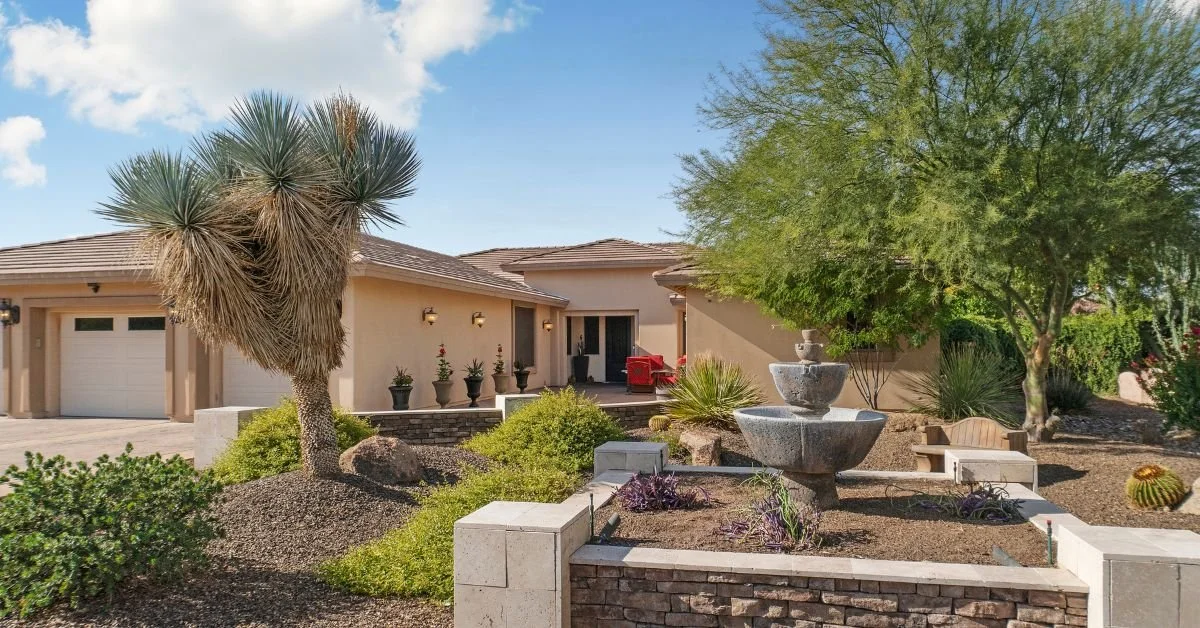
If you're looking to enhance your outdoor living space, adding features such as an arbor for shade or a fountain for relaxation can completely transform your backyard. An arbor not only provides a shady spot to relax but can also serve as a beautiful focal point in your yard. Choose a design that complements the style of your home and consider adding climbing plants to create a lush and inviting atmosphere. If you're looking for something to create a soothing atmosphere, consider installing a fountain. The gentle sound of flowing water can provide a calming effect, making it the perfect addition to your outdoor oasis. Installing an arbor or fountain may seem daunting, but with proper planning and careful execution, you can create a space that's both functional and beautiful.

Add Benches or Arbors to Create Seating Areas

When it comes to utilizing space effectively, adding benches or arbors can really make a difference. Not only do seating areas offer a functional element to any outdoor space, but they also add an aesthetically pleasing feature. Benches can be strategically placed to provide resting areas along pathways or underneath a shaded tree. Meanwhile, arbors create small nooks that offer a peaceful escape from the busyness of the world outside. By utilizing these small additions to your outdoor space, you are sure to create a cozy and inviting atmosphere for family and friends to gather in.

Install Fences and Walls to Mark the Boundaries of Your Garden

It's time to redefine your garden's borders. Installing fences and walls not only marks the boundaries of your property but also adds a layer of security to your outdoor space. With the increasing importance of outdoor living, a well-defined garden area creates a practical and functional space that you can use to enjoy your leisure time. Fences and walls come in different designs, materials, and heights to suit your needs and taste. Whether you opt for a traditional picket fence or a modern stone wall, you can expect an excellent return on investment in the form of increased property value and privacy. Don't miss out on the benefits of having a defined garden space. Install fences and walls today and redefine your borders!

Accessorize Your Garden

Adding accessories to your garden is a surefire way to make it more inviting and peaceful. Windchimes can give your outdoor space a calming melody, while birdbaths attract beautiful feathered friends to your yard. These useful and utilitarian accessories can also add a decorative element to your garden, turning it into a serene oasis for you to enjoy. Consider adding garden sculptures, outdoor lighting fixtures, or even colorful planters to give your garden an extra touch of personality. With just a few added pieces, you can elevate your garden into a true sanctuary, perfect for relaxing and unwinding after a long day.

Revamping the look of your garden can feel intimidating, but with careful planning and mindful decisions, you can create a modern, fresh design that works for your lifestyle! To start, assess the areas in your landscape you'd like to reimagine and create a budget. Then move on to selecting plants based on what grows best in your climate and for the level of sun exposure found in different parts of your garden. Additionally, plan for outdoor features such as arbors or fountains to bring extra flair and comfort to the space. Don't forget to plan seating areas with benches or arbors too. Look at redefining the boundaries by installing fences or walls and really make it stand out by adding decorative accessories like wind chimes, birdbaths, or other items. With this guide, you’ll have an updated garden that looks as good as it feels - beautiful and inviting day after day.

The Key Factors in Establishing Premises Liability

Accidents are bound to happen in the bustling city of Denver, with a population of over 700,000 people. Located at the base of the Rocky Mountains, the Mile High City is home to numerous businesses, parks, and public spaces. With a complex network of roads and highways, the potential for accidents is ever-present. In the event of such an incident, a Denver slip and fall legal help is crucial to get you the settlement you deserve. To better comprehend premises liability, it's crucial to understand the key factors involved.

The Foundation of Premises Liability

In a premises liability case, the owner or occupier of the property has a legal obligation called the "duty of care." This duty requires them to maintain their property reasonably safe for visitors. In Denver, the duty of care applies to both commercial and residential properties, and the level of care owed depends on the visitor's classification, such as invitee, licensee, or trespasser.

Identifying the Visitor's Classification

Under Colorado law, visitors are categorized into three groups, each with specific rights and protections. Understanding these classifications is crucial to establishing premises liability.

Invitees: An invitee enters the property for the owner's benefit, like customers in a store. Property owners must actively inspect their premises for dangers and take reasonable steps to protect invitees from any hazards.

Licensees: Licensees enter the property with the owner's permission but for their purposes, like social guests. Property owners must warn licensees of known dangers but are not required to inspect the property for potential hazards.

Trespassers: Trespassers enter the property without permission. Property owners have a limited duty of care towards trespassers, primarily to avoid willful or wanton harm.

Proving Negligence 

For a successful premises liability claim, the injured party must prove that the property owner or occupier was negligent in maintaining the property. In Denver, negligence is established by demonstrating four key elements:

Duty: The property owner had a legal duty of care towards the injured party based on their visitor classification.

Breach: The property owner breached their duty of care by failing to maintain the property, warn of hazards, or repair dangerous conditions.

Causation: The property owner's breach of duty directly caused the injury.

Damages: The injured party suffered actual damages, such as medical costs, income loss, etc., resulting from the injury.

The Role of Comparative Negligence

In Denver, premises liability cases are governed by the principle of comparative negligence. If the injured party is found to be partially responsible for their injury, the compensation awarded will be decreased by their percentage of fault. For instance, if a person is found to be 30% liable for their injury, their settlement amount will be reduced by 30%. However, if the injured party is found to be 50% or more at fault, they will not receive compensation.

The Statute of Limitations

Colorado's statute of limitations for premises liability cases is two years from the accident date. This means that an injured party must file their claim within two years or risk losing their right to compensation. It is crucial to consult with an experienced slip-and-fall legal expert in Denver as soon as possible to ensure the timely filing of a claim and the preservation of necessary evidence.

The Importance of Skilled Legal Representation

Navigating the complexities of premises liability cases can be challenging, especially considering Denver's unique geographical and infrastructural characteristics. The city's ever-growing population and diverse landscape can create unique challenges for property owners in maintaining safe premises. It is vital for those who have suffered from injuries due to such incidents to consult a Denver slip and fall for legal help for assistance.

Hiring a reputable Denver slip and fall legal expert is essential to building a strong case. A skilled attorney will help identify the appropriate visitor classification, demonstrate the property owner's negligence, and navigate the comparative negligence rules that apply to these cases. With the proper legal representation, injured parties can ensure they receive the compensation they deserve and hold property owners accountable for maintaining a safe environment.

In conclusion, understanding the critical factors in establishing premises liability is crucial for both property owners and those who have suffered injuries on someone else's property. By familiarizing oneself with the duty of care, visitor classifications, negligence, comparative negligence, and the statute of limitations, individuals can better protect their rights and interests in Denver's dynamic urban landscape.

6 Home Repairs That Need to Be Taken Care of Right Away

Home repairs are essential, but so are your family and home. Home repairs that need to be taken care of immediately can happen for various reasons. Sometimes, it isn't high on our priority list to take care of these home repairs immediately. However, we do not want to prolong the process too much and end up getting into a bigger mess that could cost us money in the future if we don't take action quickly.

6 Home Repairs That Need to Be Taken Care of Right Away

We all know that home repairs can be one of the most frustrating things to do. Some things take time and waiting for something to fix, while other times, you must take care of it immediately. Here are the repairs that need to be taken care of right away:

1. Roof and Foundation Inspection

A home is a complex body that needs regular maintenance to remain healthy. Home inspections allow you to detect problems early and prevent them from worsening. It's essential for your roof, foundation, siding, electrical installations, and other home components to be checked annually by a professional. There are many reasons for this, but the main one is that minor problems can turn into bigger ones over time. By catching these problems early, you are protecting yourself from any major projects or repairs getting more expensive after installing new floors or renovating other parts of your house.

2. Water Damages

Many factors can cause water damage, typically caused by a leak or burst pipe. You may not even realize that a leak has occurred, but if it happens regularly and there are signs of mold in your home, then you need to get it cleaned up immediately. Fixing water damage can be time-consuming, expensive, and stressful.

If you're in a situation where water is flooding your home, you will want to start taking care of water damage immediately as soon as possible. Keep in mind that if you don't dry the affected area out quickly and thoroughly, mold will be able to spread across your house and cause health problems, majorly respiratory issues such as Asthma attacks for anyone who enters the home.

3. Sagging Ceiling

Sagging ceilings can be a problem, especially in ceilings that have been severely damaged or compromised. If you notice your ceiling has gone saggy and is no longer flat and straight, i.e. uneven or bulging at the junction of the top and bottom of wood, plaster or sheetrock (ceiling), it's time for a maintenance checkup.

Sagging happens when the structure becomes weak and is patched up again. Don't neglect this home repair. Look at the rafters, along with any loose cables or electrical wires that may compromise the integrity of your ceiling. The sagging ceiling is a cause for concern and can be a life-threatening problem if you don't take care of it immediately.

Furthermore, a sagging ceiling can make your home look unsightly. If you're trying to sell your home, this is not something that you want potential buyers to see. In this case, it's best to hire a professional to care for the problem. On the other hand, prevention is always the best medicine.

4. Gutter Cleaning

The home needs to be prepared for the season ahead. Gutter cleaning helps protect your roof and keeps your roof long-lasting. Regularly inspecting your roof gutter and downspouts is a simple way to prevent problems and ensure they are in good condition.

The water that runs down your gutters and drains away can ultimately drain into the ground and harm your house, including damage to your foundation. Just as important, any repair or replacement will ensure your drainage system is operating at optimal efficiency, helping to keep you safe and comfortable around your home. 

Your gutters are essential. If you have any trees overlooking your roof this can increase the chance of blockages from stray leaves or twigs falling into the channel. If you're having this problem regularly, it makes sense to make some improvements to your home by calling in experts like Idaho Seamless Gutter, Boise (or those located elsewhere) to make upgrades or changes to your guttering system so that it works more effectively. 

One highly effective solution to prevent debris from clogging your gutters is installing gutter guards. These guards are designed to sit on top of your gutters and act as a protective barrier, allowing rainwater to flow through while blocking larger debris like leaves and twigs. By preventing these materials from accumulating, gutter guards can maintain the efficiency of your gutter system, ensuring that water can be properly channeled away from your home.

In addition to improving water flow, gutter guards can also reduce the frequency of gutter cleaning, saving you time and effort. With less debris accumulating in your gutters, there’s also a lower risk of pests nesting in the debris, which can be a common problem in poorly maintained gutters.

5. Pest Control

Pests like mice, spiders, termites, and ants can cause structural damage to your home and sometimes transfer diseases. When you have rodents, they could be contributing to a fungal infection which then becomes a dangerous condition. If there's any infestation, you don't have time to waste on gross DIY projects that could take days or weeks to accomplish. If you don't deal with them immediately and correctly, they can quickly multiply and become a real problem, costing you more money than if you'd just gotten the pest problem under control at the outset, according to Waynes Pest Control.

6. Damaged Windows

Damaged windows can be a big problem for your home. They are not only easily damaged, but they have to be repaired or replaced completely to keep your house safe. Also, getting your windows fixed should not be something you do occasionally. It should be done regularly, so you never have to deal with cracked or broken glass again.

If your window is damaged, it can leave you vulnerable to outside elements and possibly cause mold or other growth in the surrounding area. Broken windows can be a safety hazard. If a window is no longer secure, the wind or rain could cause it to break and fall out of place. It would help if you kept those pages in good shape. Repairing damaged windows is an easy process with great satisfaction when they're back in shape.

Conclusion

These fixes are considered priority home repairs. Other common home repairs will likely be more time and cost-effective if they can be done later. It's crucial to establish a regular schedule for more home repairs once you start getting into the routine of performing them regularly. It might be cheaper to call in professionals immediately than to pay for the full cost of repairs when something goes wrong later on. Technicians know exactly how quickly problems escalate, and they'll work hard to help you get things back up and running as soon as possible. In other words, prevention is better than cure.

A Guide To Investing in Commercial Real Estate

Investing in commercial real estate is an excellent way to diversify your assets portfolio, but it isn't something you can simply jump into. First, you need to ensure you understand some of the basics of commercial property investments. 

Direct vs. Indirect Investment

There are two types of commercial real estate investment methods: direct and indirect. While experienced investors and developers like Angelo Ingrassia of Rochester NY, tend to use both methods, someone new to the game should try one at a time until they get their footing.

Direct investments allow for flexibility in which type of property you buy, allow you to control the decisions, and provides you with tax benefits. However, it also requires you to work hard, which means you need to have a large amount of capital, and creates a liquid investment that may be hard to sell if you decide direct investing is not for you. Direct investing is best for people who already have high net worth and aren't afraid to get their hands dirty or take a risk.

Indirect investments allow you to invest much smaller amounts of capital, create a passive income stream, diversify your investment portfolio instantly, and have liquid investments. On the other hand, though, they also don't let you have any say in which properties you purchase, don't give you an opportunity to make important decisions, and mean that you'll be taxed at regular tax rates. This is a good option for investors who want to start small or who want to invest in cities they don't actually live in. 

The Right Team

Investing in commercial property isn't something you can do alone. You'll need the right people on your side.

  • Attorney – An attorney ensures your contracts are airtight, offers legal advice, and can help you should a lawsuit arise.

  • Commercial Real Estate Agent – Commercial real estate agents help match you with properties that meet your investment needs and may even help you find tenants for your property.

  • Contractor – Keep someone on your team who can provide repairs and maintenance as needed for your tenants.

  • Insurance Agent – Your agent ensures you have a comprehensive insurance package that covers damage, natural disasters, injuries on the property, and more.

  • Lenders – Lenders help you find the financing you need to secure your property.

You may also consider a property management company that can help you handle daily tasks like speaking with tenants, collecting rent, and negotiating new leases. 

Types of Commercial Real Estate

There are five main types of commercial real estate. Offices are the most common and range from single-tenant spaces to skyscrapers that cater to dozens of different companies. They typically fall into three categories: newly built or extensively renovated spaces, older buildings that need minor repairs or upgrades, or buildings that need extensive redevelopment.

The other types are retail, industrial, multifamily, and special-purpose properties. Retail ranges from strip malls to restaurants, while industrial properties cover warehouses and manufacturing sites. Multifamily properties are usually apartment complexes or high-rise condos, and special-purpose properties include those for specific purposes, such as car washes or schools. The type of property you own will determine the insurance you need, however, but many insurance providers, like those you can find when you click here, offer insurance for everything from hotels to warehouses.

Being well-equipped with information about commercial property investment ensures you make the best decision for your investment needs. Consider your overall goals to help you determine which direction to go.