How to Fix Dysphagia

There are currently 15 million Americans with dysphagia. Dysphagia refers to any condition where one of the symptoms is difficulty in swallowing. Below is a short guide to how dysphagia is diagnosed and how it can be treated.

Conditions Associated with Dysphagia

There are numerous conditions in which dysphagia is a symptom. For example, many cancers, such as esophageal cancer and cancer of the larynx result in swallowing problems. Infectious mononucleosis is another condition that presents with dysphagia. It is caused by the Epstein-Barr virus. Fortunately, once you have got it you will be immune to the virus. 

Zenker’s diverticulum, another condition linked to dysphagia, is when a pouch forms between the top of the esophagus and the bottom of the throat. It happens because the cricopharyngeal muscle does not relax while swallowing. This muscle protects the lungs and airways from ingesting food. 

Dysphagia can occur after a stroke or head injury which affects the nervous system. It can also appear in conjunction with dementia or multiple sclerosis. Another cause is gastroesophageal reflux disease as a result of stomach acid moving into the esophagus. Sjogren’s syndrome is an autoimmune condition that results in a dry mouth and very little saliva.

Some children with cerebral palsy or another developmental disorder have dysphagia. 

Diagnosing Dysphagia

Symptoms that occur with dysphagia are coughing or pain when trying to swallow, drooling, heartburn, hoarse voice, regurgitation, recurring bouts of pneumonia, losing weight, a feeling of something being stuck in the throat, shortness of breath, food being ejected via the nose, constantly clearing the throat, and difficulty eating solid food. 

Diagnosis is made with x-rays after consuming a barium solution, endoscopy, fiber-optic endoscopic evaluation (FEES) using a camera and endoscope, manometry, imaging scans (MRI, CT), or a dynamic swallowing study in which you swallow foods of different sizes that have been coated with barium.

The two types of dysphagia are high dysphagia (oropharyngeal) and low dysphagia (esophageal). High dysphasia is diagnosed when the patient struggles to move food to the back of the mouth and begin the chewing process. Its cause is usually weak nerves and muscles following a neurological event or condition. Low dysphagia is characterized by food or liquid becoming stuck in the esophagus because of irritation or a blockage.  

Treatment for Dysphagia

Dysphagia usually disappears about two weeks after a stroke or traumatic brain injury. If there isn’t a spontaneous recovery, rehabilitation teaches patients how to swallow again. A speech therapist will train the patient with special exercises. This rewires the brain through a process called neuroplasticity

You may need to follow a special diet. This will include liquids that have been thickened to prevent you from choking. You can use a SimplyThick thickener to thicken your liquid intake as it does not interfere with taste. Chewing foods must be soft, such as mashed bananas. Avoid foods where the consistencies differ such as soup with pieces of vegetables. You should sit up straight while eating and consume your meal slowly. Other foods include smooth yogurt and desserts like custard, souffles, and pureed items.

In more severe cases, the doctor might suggest Botox injections or enlarging the esophagus with surgery. If the condition cannot be cured, you will have a feeding tube inserted.

See your doctor or go to the emergency room if you suddenly battle to swallow.

The increasing popularity of vacation rentals in Europe

Vacation rentals have become an increasingly popular accommodation choice for travelers in Europe. With the rise of platforms such as Airbnb, HomeAway, and VRBO, vacation rentals have become a convenient and often affordable option for those looking for a unique travel experience.

One of the main advantages of vacation rentals is the ability to immerse oneself in the local culture. Vacation rentals often offer more space and amenities than traditional hotels, allowing travelers to feel more at home and experience life like a local. Many vacation rentals are also located in residential neighborhoods, giving travelers the opportunity to interact with locals and get a true sense of the community.

Another advantage of vacation rentals is the ability to save money on accommodation. In many cases, vacation rentals are more affordable than traditional hotels, especially for larger groups or families. Vacation rentals often come equipped with kitchens, allowing travelers to save money by preparing their own filler meals and saving for more exciting, showpiece dining experiences.

As well as providing a potentially more affordable, more immersive experience, a vacation rental also gives you significantly increased flexibility. Vacation rentals usually are more flexible when it comes to check-in and check-out times than traditional hotels, allowing travelers to better tailor their trip to their schedule. Additionally, vacation rentals often offer more lenient cancellation policies, allowing travelers to cancel or change their reservations without penalty.


Vacation rentals also act as an antidote to the bland, generic decor and design that is often on offer in the larger hotel chains. From cozy apartments to sprawling villas, vacation rentals come in all shapes and sizes, allowing travelers to find the perfect accommodation to suit their needs. Many vacation rentals also come equipped with unique amenities, such as private pools or outdoor kitchens, adding an extra touch of luxury to a vacation.

However, it is important to note that vacation rentals do not always guarantee a bargain. In some cases, vacation rentals may be more expensive than hotels, especially if they are located in the most popular tourist areas. Additionally, vacation rentals often come with additional fees and charges, such as cleaning fees and security deposits, which can add up quickly and take unsavvy travelers by surprise.

Despite these potential drawbacks, vacation rentals continue to grow in popularity in Europe. According to a recent report by Technavio, the vacation rental market share in Europe is expected to increase by $29.23 billion from 2021 to 2026.

So if you want to finish off your all-inclusive Europe cruise with the perfect stay, here are some of the most important factors to keep in mind when searching for a vacation rental.

Location

Vacation rentals located in residential neighborhoods may offer a more authentic travel experience, while those located in tourist areas may offer more convenient access to attractions and activities.

Size and amenities 

Look for properties that are well-maintained and offer the amenities you need, such as a kitchen, laundry facilities, or a pool. Don't forget to read reviews from previous guests to get a sense of the property's quality and any potential issues.

Advance booking

Be sure to book your vacation rental well in advance, especially if you are traveling during peak season. Popular properties can fill up quickly, so it's best to start your search as early as possible.

Vacation rentals are becoming an increasingly popular accommodation choice for travelers in Europe. With their unique amenities, local charm, and affordability, vacation rentals offer a great way to experience a new destination. Whether you're traveling solo or with a large group, there's a vacation rental out there that's perfect for you.

Men's Health: How to Improve It

According to statistics, men go to doctors much less often than women. If they make an appointment with a doctor, they have some serious pathology. Such an approach to one's condition does not have a very good effect on the health of the body, as well as on the reproductive system. Men's health is an important aspect that should be in the first place for every self-respecting man. After all, the key to excellent well-being and sexual activity lies precisely in this.

3 must-have aspects to follow

These points were once highlighted by scientists, believing that most men would rely on them. The most important thing is the frequency of physical activity, regular sex life, and stable hygiene. There is more detailed information about each important moment below.

  1. Motor activity. Constant physical activity is a wonderful development of the body. No one says that he needs to pull dumbbells and go to the gym. A man only needs to perform simple exercises that promote normal blood circulation. Even cycling will become not only a summer hobby but also an excellent physical activity for the pelvic organs. Cardio loads have a positive effect. Experts agree that the regularity of activity is more important than its intensity;

  2. Sexual life. The amount of testosterone has an excellent effect on men's health and well-being. A healthy lifestyle and a normal weight cause sufficient production of the male hormone. Regular sex life is the key to the success of excellent health. The frequency of intimate relationships for each man is individual, on average, doctors recommend having sex two to three times a week. If a man wants some thrills, then many of them try to purchase various medications, thereby maintaining the level of men's health at a height. For example, Farmacia Expres 24 is a place where a man can seek help and purchase a drug. In general, sexual interaction is the prevention of stagnation and good cardio;

  3. Hygiene (in every sense of the word). Self-care is another important aspect of health. Constant taking a bath or having a permanent partner and a long-term relationship contributes to well-being and security. Promiscuous sex life is always a high risk of getting sexually transmitted infections.

All these points should always be taken into account, and then problems will not appear at an early age.

Potency is a hot issue

Erectile dysfunction is a serious problem for any man. Under this concept, it is customary to mean some pathologies of the sexual sphere. In simple words, during erectile dysfunction (impotence), a man cannot get a stable erection, keep it during intercourse and end with ejaculation. All this refers to a violation of men's health and leads to personal problems, complexes, and self-doubt.

Impotence treatment

Every man needs to be examined by a professional doctor, as therapy is always selected following the causes of the pathology.

  1. Psychotherapy. This is one of the treatment options for potency. Psychotherapy reduces intra- and interpersonal conflicts. If a man is in a permanent relationship, it is recommended to attend psychotherapy sessions with a partner;

  2. Taking medications. The main goal of therapy, in this case, will be the elimination of pathologies that provoked deterioration in sexual function. Also, the treatment is aimed at stimulating blood flow to the penis and normalizing the functioning of internal organs and entire systems.

In addition to drugs, like Viagra and psychotherapy, surgical methods for solving the problem can also be included.

Men's health is so important that it is worth giving due attention to it. To live and know that the body is clean and fresh, it is enough to adhere to the important points that are indicated in the article. Only then will everything be fine with the man!

How to Minimize Allergy Symptoms while Travelling

The thought of visiting new places can cause both excitement and anxiety for allergy sufferers. How do you have a good time on vacation if you are feeling stuffed up, experiencing a runny nose, or having watery eyes? If allergies are a real concern for you, then you may find some help from our tips on how to reduce allergies when you are traveling.

Clean the Luggage

When was the last time you used your luggage? If that staircase has been sitting in your closet for six months, then it is probably dirty and packed with allergens you need to clean out before you use it. Don’t wait until you start packing to pay attention to how dirty and dusty your luggage is. Just clean it well before trying to pack anything into it and save yourself some trouble.

When cleaning your luggage, be sure to use methods that won't damage the material and that will be effective at removing germs, dust, and allergens.

Pack Your Allergy Medications

If you take any kind of medication for your allergies, then be sure to have them packed and ready to go for your trip. Order extra, if necessary, before travelling so that you have enough for the entire trip. You don’t know for sure if you will be able to get them in the location you are traveling to, and you don’t want to assume that you can. It would be a good idea to use a Cody Drug compounding pharmacy, or similar, to get yourself well stocked, so that you are not at a disadvantage when travelling. In addition to simply stocking up on current prescriptions, some people with complex or persistent allergies may benefit from a more holistic and root-cause approach to managing their condition before a trip. For those interested in exploring integrative treatments for chronic health issues like allergies, searching for a provider of functional medicine cincinnati, or in your local area, can offer an alternative perspective on treatment and preparation.

Be sure to carry your allergy medications on your person as you're traveling as well. This way, if you enter an environment that contains allergens you weren't expecting, you can be prepared to deal with them. You don't always know what kind of environments you're going into when you're traveling to new areas. You don't know how your allergies may react under the strange conditions you'll find yourself in, so it's best to be prepared. It is certainly better to have the medication and not need it than to find yourself suffering from an allergy attack and not have the medication on hand.

Clean before You Travel

Anyone who has allergies knows that keeping their home clean is very helpful when it comes to reducing allergy symptoms. If you can keep the dust, dirt, pests, and pest droppings out of your home, you will have clearer sinuses and fewer allergy symptoms. Cleaning your home can cause you to have an allergy attack and feel unwell, but afterwards, you will experience reduced allergy symptoms at home. It makes sense to clean your home before you travel so that the items you are taking are cleaner and you feel better going into your vacation. However, you might not want to do the cleaning yourself and you may not want to clean a day or two before your trip.

Instead, try cleaning about a week before you travel or hiring cleaning specialists to do the housework in your place. That way, your sinuses can be free and clear as you get ready to go. It doesn’t hurt to clean whatever you are taking with you, running the clothes through the washing machine, wiping down your cosmetic containers, and making sure each item is sanitized for travel.

Reserve the Right Room

Where you stay can affect how much you struggle with allergies. If you are reserving a hotel room for your trip, be sure to ask for a non-smoking and pet free room, to minimize your risk of allergies. You don’t want to be uncomfortable your entire trip just to save a few dollars on a hotel room, right? You may even want to choose a room that is away from the smoking sections of the hotel and areas where pets are allowed, if you have serious allergy issues.

Not every hotel has these kinds of options for you to choose from, but you should definitely check to see if the hotel you are staying at offers accommodations without pets and without smoking to minimize your allergy symptoms.

Be Careful about What You Eat

If you have any food allergies, you definitely want to be careful about the kinds of foods you eat while traveling. They may be made differently in other countries than they are made where you're from. Don't just assume the same ingredients are being used, even when you're going to a restaurant chain in the foreign country that is also available in your home country. Many restaurants change up their menus and ingredients to accommodate local culinary customs. Different ingredients can sometimes be used simply because the ones that would normally be used are not easily available in that country.

Because food allergies are so common these days, it is usually not considered rude to ask about the ingredients and cooking methods for any food you are considering ordering at a restaurant. Even when buying packaged food from the grocery, check the ingredient list to make sure the food contains nothing you're allergic to. Keep in mind that allergy warnings will not be the same from one country to another, with many countries not even bothering with them.

Consider Air Quality

Environmental factors can trigger allergy symptoms, and if the air quality is poor in the area you're traveling to, you may want to limit your outdoor activity. This is especially true in large cities that may have poor pollution control or in the countryside where pollen and other irritants are common. Check the weather and pollution reports each day before going outside to help keep your allergies under control. If you're willing to brave poor air quality conditions, consider wearing a face mask or using allergy medication to protect yourself.

Returning Home

If you had a bad allergy experience while traveling, there are some precautions you need to take once you get back home. As soon as possible, you should wash your clothes and clean your luggage. This will help remove any allergens that may be hiding in these items.

With these tips in mind, you should be prepared to have a great vacation, as free from allergies as possible.

How to Become A Travel Photographer And Get Paid

Is photography your hobby? Do you travel a lot and have traveled to many countries? Why not combine business with pleasure and start making money from your hobby?

There are many travel photographers who don't earn enough to have a sustainable career. We can't blame them, because maybe they don't know the ins and outs of this field. In today's article, we will give you some practical tips to help you make money from travel photography. Read on and put it into practice!

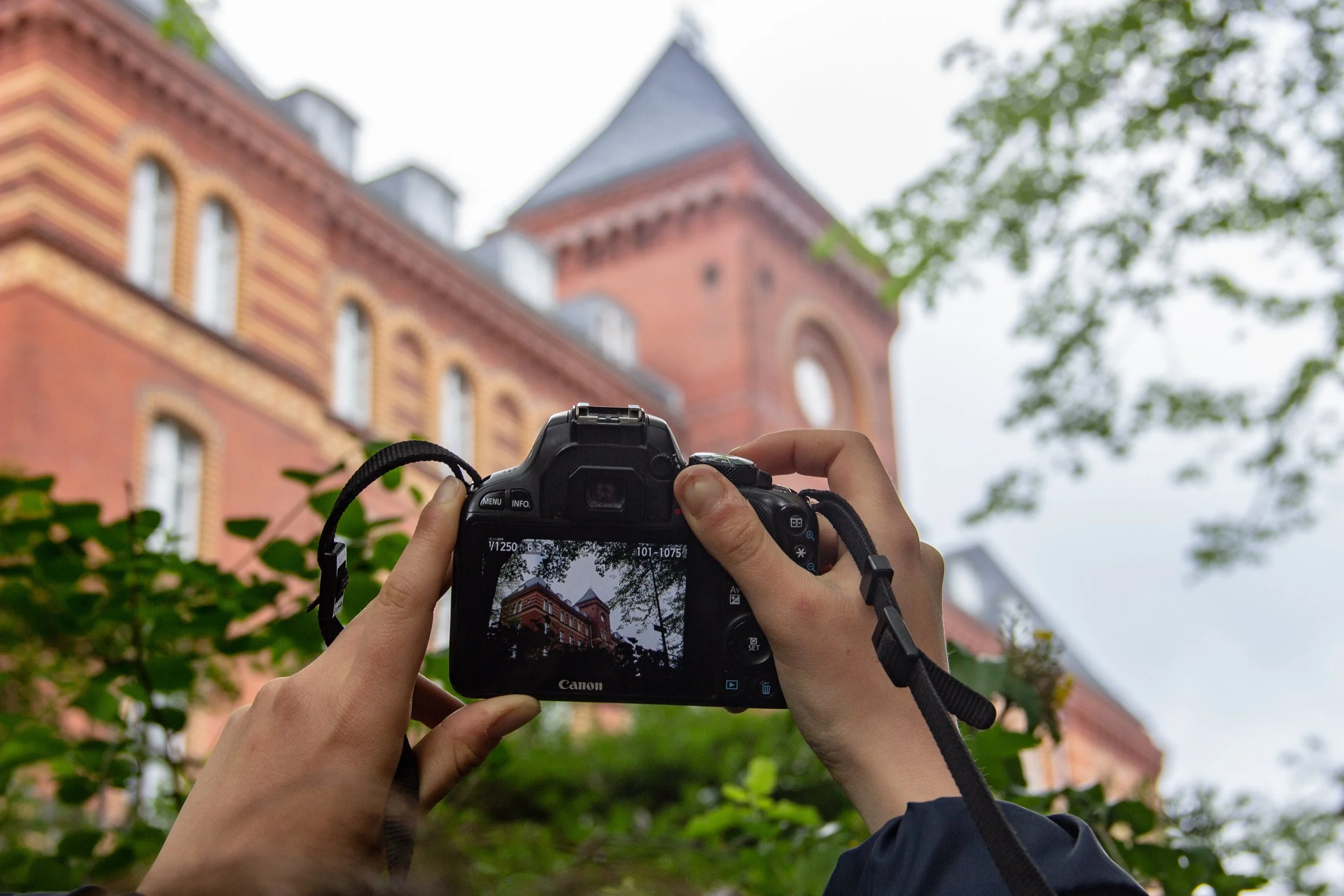
Whatever it is, you need to take care of your equipment. When to use a lens hood and what is a hand camera strap? You'll find the answers to these and other questions on Skylum's blog! Professional photographers share their knowledge in interesting articles, so you won't regret it!

So now let's get to the main topic of our article!

1. Decide whether you really want to work in this style of photography

Travel photography is not for the faint of heart. Many people see it as an easy way to make money, but they make big mistakes. Such a photographer often has to deal with difficult situations. Bad weather conditions, aggressive locals, or long trips will be your constant companions.

Travel can suck all your energy. You will often feel stressed. Not everyone speaks the language you know. Many people don't like tourists at all, so don't expect much help from them.

If you think you can handle these difficulties, then proceed to the next step.

2. Take care of your gear

  • Minimize noise;

  • Increase performance in low light;

  • Achieve consistent sharpness;

  • Create a wide range of image types, and much more. 

By using a tripod, flash, and camera cover, the range of creative and adaptable possibilities expands even further. Photography equipment such as a camera harness allows more flexibility in different shooting conditions as you can easily access your camera so you never miss a shot. Be sure to upgrade your gear if you feel something is missing.

3. Learn as much as you can

Knowing how to use your camera and equipment for photography is very important. And understanding how to capture landscapes, take portraits, or shoot a street scene with a long exposure will go a long way. At first glance, these seem like very simple things, but many beginning photographers are unaware of them. This stops them from being a competitor to those with the necessary skills.

The more knowledge and skills you have under your belt, the better. Special courses can help you learn the basics of editing if you're starting from scratch. This will give you the ability to do post-processing, which means your pictures will look much better. This will make your value as a professional higher.

4. Don't forget the portfolio

Have you ever wondered how potential clients can assess your level of professionalism? By portfolio, of course. It can be either online or in a printed version. If you don't have photos from places you've traveled to yet, try taking them in your hometown. If you do a good search, you'll be surprised at how many great places there are to take pictures. Take this chance to make a great portfolio that will help you stand out from the competition.

5. Create a travel website or blog

Creating a website or blog to showcase your work is very important and hard to overestimate. Thanks to them, you can demonstrate to the world that you are a high-level professional. It also makes it easier for potential clients to find and communicate with you. 

When creating a website or blog, be guided by your ideas about style. Play with colors and fonts. You can do this with a free online designer, which is easy to find on the Internet, or you can order the project from a professional.

6. Build meaningful creative partnerships

As you develop your photography career, it’s worth exploring potential partnerships that can help you grow professionally. Whether it’s with travel companies, agencies, or other creative collaborators, building strong working relationships can open doors to new and exciting opportunities.

Agencies such as Apostrophe, a woman- and minority-owned representation and production company, work with a diverse range of photographers and creatives across various media—supporting them in finding meaningful projects that align with their vision.

When considering who to work with, pay attention to the quality of their work and how they represent their talent. Long-term collaborations often lead to more consistent work and valuable experience.

7. Combine the photo and the writing

Strong content is crucial. That's why you should learn how to write at least small articles because this way your value as an expert will be much higher.

You can talk about your experiences or give useful advice to newcomers. Combine this with photography and you will be pleasantly surprised by the result.

Final words

Turning your passion for photography into a profession can be difficult, but with time and a good plan, it is absolutely achievable. Try putting our tips into practice, and you're sure to succeed!