Looking To Buy A House? Here Are Some Useful Tips

If you are looking to buy a house, there are many things that you need to take into consideration. There is not just one way to go about it, and different people have different preferences. Some want an old home with character, while others want a new build with modern amenities. This blog post will discuss some of the most important tips for buying a house, as well as what type of property might suit your needs best!

Start by deciding on your budget

One of the primary things that you need to do in buying a house is to decide on how much you can afford. You should do some research on properties in your area and see what the average house price is like before looking for a place of your own. If possible, try to increase this budget slightly, as it will give you more space within which to maneuver when negotiating with sellers who want top dollar.

Find the right location for you

Another thing that you need to think about carefully is the location of the property that you will be buying. For instance, school districts are important to consider when purchasing a house. This is what you need to be doing first if you want to acquire a Singapore property or a house in any spot you prefer. You need to find a place that is safe and near the school district of your choice. Schools are important, especially if you have kids who will be attending classes there.

Other things to consider when choosing a place for your new property include commuting time, quality of local hospitals, greenspace or parks nearby, crime rates in different parts of town, and the cost of living in the area. If you are looking for a place to buy your first home, then you need to consider these things carefully before making any decisions on where to purchase the property. In this case, look at houses that are on the market now, so you can get an idea of what is available and what you can afford.

While there are many things that prospective homeowners need to consider, the location of the property is one of the most important factors to weigh carefully before making an offer on a home. If it does not fit your needs or lifestyle in some way, then do not buy it because this could lead to problems later on when living in the house.

Look at all available options

Once you know how much you can afford and where you intend to buy a house, it's time to look at all of your options. There are many different types of properties available for sale, and each one is unique in its way. Some people prefer a house on the outskirts where they have more space, while others might want to be close enough so that they don't have far to go to get into town. You need to do some research online or in the local area so that you can decide on what type of property is best for your needs.

Don't forget about renovation costs!

This might seem like a no-brainer, but it's important enough to warrant being mentioned separately. Many people go house hunting and then forget to factor in renovation costs. It can be easy to get so caught up in finding the right house that you only think about how much it will cost to buy it, not what else needs doing once you have moved in. A new build is going to save money on this front, but if you are buying an older home, expect to spend some time and money on renovations before you're ready to move in.

Take your time!

One of the most important things that anyone buying a house needs to do is take their time about it. Don't rush into anything, as this could cause problems later down the line, especially if you have bought without thinking about what will happen after you have moved in. Take a step back and consider the implications of buying a house before you sign on the dotted line so that there are no surprises later on when it comes to paying for repairs or renovations.

Whether you’re a first-time homebuyer or looking to relocate, there are plenty of things to consider when purchasing your next house. From budgeting and pre-approval for loans to finding the right location and figuring out what type of property will work best for you, the tips listed above on how to go about buying your next home will prove to be beneficial! If not, you can rest assured that experts can help come up with an amazing strategy tailored specifically towards meeting your needs.


Consider These Important Condominium Association Insurance Coverages

Condominium associations face the same problems as homeowners do. They must make changes to their buildings to make them more comfortable or improve their legal rights. They must also protect their assets against possible lawsuits. However, they are governed by different rules than homeowners. While there are many similarities, there are also many differences. The primary difference between homeowners and condo associations is that condominiums have common areas that require coverage. In this post, you will learn about some essential insurance policies that you will need and some optional ones.

When Insuring Condominiums, What Challenges Are Faced?

A condominium association is a legal entity that allows unit owners to own property within a building, which a corporation owns. Managing the condominium's finances and day-to-day operations is the board's responsibility. These associations face some challenges when it comes to insurance. Nonetheless, most of these can be mitigated when choosing a specialist insurance company that deals in this coverage. This condominium association insurance applies to only the common areas in the building. In addition to property coverage, it includes liability coverage as well. Additionally, swimming pools, playgrounds, parking lots, and other facilities present numerous liability risks.

What Coverage do these Associations Need?

To be fully protected against lawsuits, condominiums need both business and homeowner insurances. Some essential options include:

General Liability

You can use condominium General Liability Insurance to provide coverage for the owner and guests on the property. You can also use it to cover legal expenses relating to any lawsuit or claim filed against the condominium association, the property owner, residents, tenants, or guests.

Building Insurance

Condominium insurance policies provide coverage for the building and assets. It covers all common areas within the condo complex.

Business Personal Property

Business Personal Property Insurance is an insurance policy that covers communal belongings (artwork, seating, etc.) from being lost, stolen, or damaged.

Commercial Umbrella Insurance

Commercial Umbrella insurance is an insurance policy that protects in case of accidental or intentional damage to the condo premises. It covers you for damages to the property, coverage in the event of lost income, medical expenses, and funeral costs in the event of death or injury.

Directors and Officers

In general, Directors and Officers (D&O) insurance is liability insurance that protects the person or organization from potential legal liabilities stemming from their fiduciary activities of being a company director. With many different types of directors, such as executive officers and more, having various responsibilities and fiduciary duties, D&O insurance protects those who have to perform these duties.

Optional Insurances Your Association Might Want To Consider

Depending on the situation of the complex, some additional options may prove helpful in addition to those listed above.

Flood Insurance

The need for condo flood insurance policies has increased with the increased population and development in coastal areas.

Sewer and Drain Backup insurance

Condo owners are faced with potential risks such as water damage due to sewer backups that can occur during extreme weather events or other cases where pipes break or burst at unexpected times. This insurance covers the building if this event occurs.

The cost of condo insurance should be considered an investment in the future of your property. While some are required by law, others are optional. Nonetheless, you should seriously consider getting as much coverage as you can afford to cover all eventualities.

A Realistic Tour Through New York City

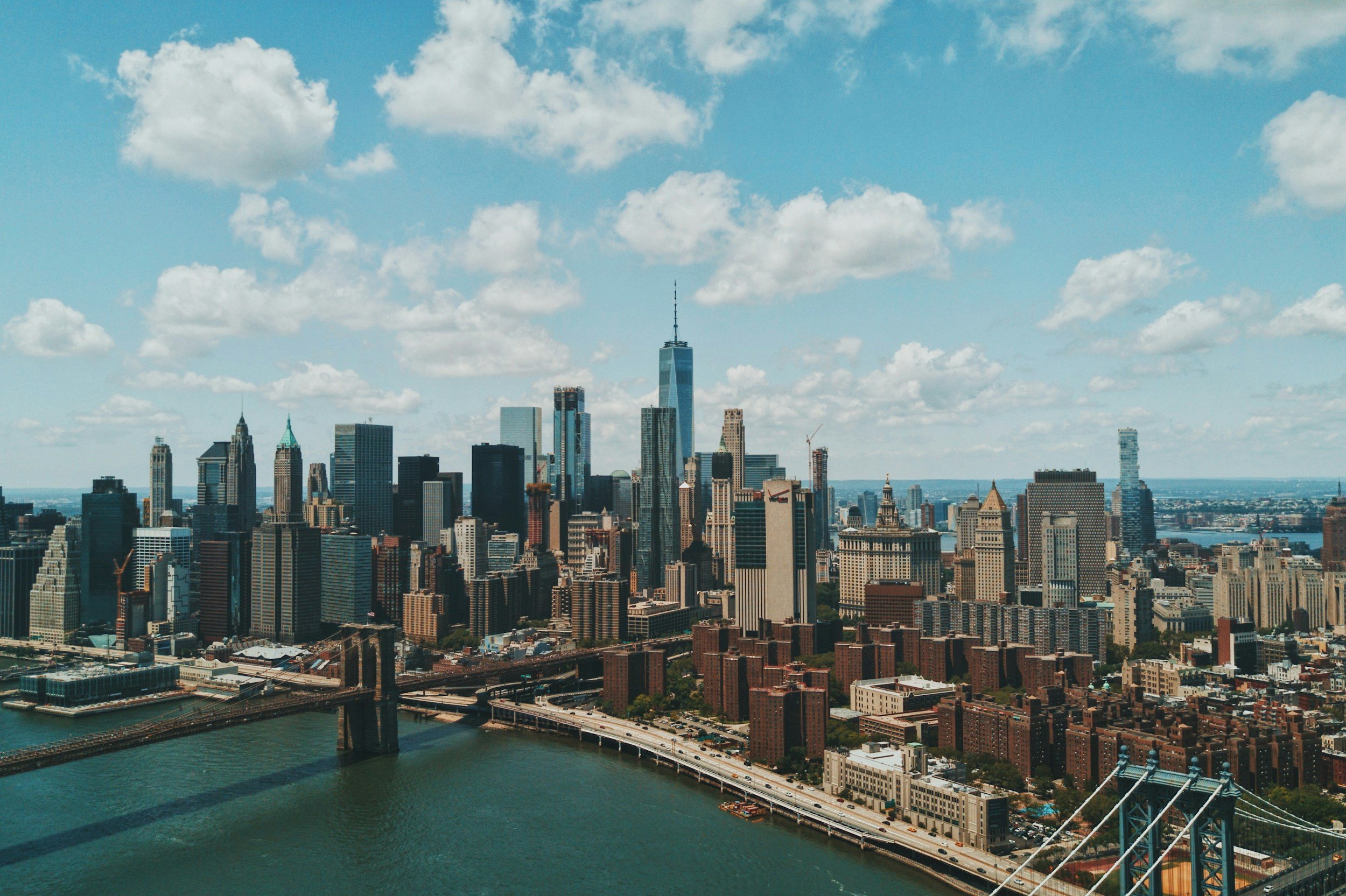
New York City is one of the hottest tourist destinations in the United States. Known for great food, culture, art, and the dozens of must-visit sights, millions of tourists visit New York each year. Along with the sights and activities to do while in New York, there’s a lot of shopping to do as well. 

Whether you want to visit Bloomingdale’s or Kirna Zabête, look for luxury fashion, or thrift in the city, there’s shopping for everyone. New York City is a financial, commercial, and cultural hub for consumers, so it’s no wonder that the shops located throughout the city are booming. 

Here’s everything you need to know about what it’s really like to go through New York City.

Sightseeing and Tourist Attractions

Likely the most popular reason to visit New York City are the dozens of tourist attractions and sights to see. With the best shows in America taking place at Broadway at the top of the list and the cultural and historical attractions following, taking a tour through New York City often involves visiting these spots along the way. 

Here are just a few of the most popular tourist attractions located in New York:

Broadway: If you love theater, visiting Broadway may be at the top of your list of things to do while in New York City. Whether you want to catch a new release with its original cast or see a classic show that’s lived on Broadway for years, all your musical theater dreams will come true. 

Empire State Building: Want the best seat in the house for your New York city tour? Look no further than the Empire State Building. This iconic Building stands out among the New York cityscape as one of the tallest buildings in the world. In fact, it was the tallest until the first World Trade Center tower. You can visit the Empire State Building at the very top and explore the city from a bird’s eye view.

Central Park: Visiting New York isn’t always as romantic as it seems, but when you visit Central Park it might be. Here, you’ll find people jogging, biking, walking, taking their dogs out for exercise, having picnics, and enjoying the fresh air.  With beautiful greenery, bridges, and tons of stuff to do, make sure you take a look at Central Park.

Rockefeller Center: Likely one of the most famous stops to make in NYC is the Rockefeller Center. With shopping, entertainment, food, and more, Rockefeller Center is an absolute must-visit when you visit NYC. You’ll see the Art Deco skyscraper, the Rockefeller Plaza, and so much more.

The Met: The Met, or the Metropolitan Museum of Art, is one of the most popular art museums to visit in the world. Soak in the culture, history, art, and more when walking through this attraction in New York. 

Times Square: When you think of New York city, you probably think of Times Square, the Square that never stops advertising. If you’re wanting a realistic tour through NYC, you have to visit this center. The food, shopping, people, and attractions alone are worth it.

New York Billboards

If you do visit New York City and head to Times Square, you’ll notice the entire city covered in billboards. From digital billboards that flash different words, ads, and even mini commercials, to regular billboards, wallscapes, and wild postings throughout the square, there’s a lot to look at. 

There’s advertising all over New York City. You’ll see ads on the tops of taxis, busses, the subway, the sides of buildings, and more. For a realistic tour through New York City, you have to make your way through crowds of people, New York billboards, and more to find where you want to go, but the trip is worth it.

The City that Never Stops Advertising

When you visit New York, you’ll realize that it’s a city that never stops advertising. Everywhere you go something is being marketed. Whether it’s a brand, a product, a restaurant, an exhibit, or a lifestyle, you’ll always be told to buy something. 

And it works! Billboards are powerful ways to catch consumers at some of the most effective times of day. They advertise 24/7 and are a great way to enhance natural exposure for your business. With the amount of foot traffic alone that travels New York City each day, using billboards to market your business will increase how many people interact with it on a daily basis.