Want to Get the Perfect Tan? Here Are Some Tips

In the summers, it’s pretty prevalent to see people lying by their swimming pools or on the beach trying to get a nice bronze glow on their skin. Tanning is a very common thing for people in colder countries to be doing in the summers, which also means it’s also quite often that people get it wrong. This is especially the case if they go for alternate means to achieve a tan, like tanning beds. Tanning beds are one of the worst things you could do to yourself, considering the extremely high amount of UV radiation increases the chance of you getting skin cancer by almost 75%. Even though the sun may seem like it’s doing a lot of good, you have to consider the damage the sun also does underneath the skin. If you’re not tanning correctly, you could expose yourself to sunburns, flaky skin, and strap marks as well. Getting the perfect tan is an easy job but requires just a little bit of commitment to self-care, and here are a few tips on how you can do that.

Know Your Skin

Many people don’t realize that we all have unique skin, meaning you need to dive deep into what could be good for you and what could be bad for you. Everything from your age, medical history, and skin type is included in the list of things you need to be wary of while getting a tan. Multiple skin types react differently to exposure to UV radiation. Type I is pale skin, and pale skin does not have the capacity of melanin to be tanned, so it just burns. While type III is beige skin that burns very slightly but tends to tan into a beautiful light brown color. These different skin types need to be treated differently, so please try and do some research on yourself before you decide to go for a tan. 

pexels-photo-3764430.jpeg

Prepare Yourself

Tanning is not all about getting a darker skin tone. You have to make sure the tan is evenly spread throughout the body. To do that, you need to take care of any bumps or cracks in your skin beforehand, so it’s recommended that a week or two before you decide on getting a tan, you should exfoliate your skin properly and make sure it’s as smooth as ever. Next, we have tanning lotions and sunscreen. Tanning lotions are specifically designed to allow you to speed up the tanning process, reducing the amount of time you spend in the sun. Since there are lots of different options, to learn more, do a bit of research online. The information found at fivestarskincare.co/best-outdoor-tanning-lotion/ will help you figure out what kind of tanning lotion is good for you. Now, most tanning lotions come with an SPF rating, but if you’re planning on going the natural way, you should consider getting at least an SPF 30 or 40 if you have generally sensitive skin. People need sunscreen to protect their skin from burning and flaking, and it’s always better to look for sunscreen that contains antioxidants that give wrinkle care and extra UV protection. 

Tanning and Post-Tan Care 

As mentioned earlier, people need to adjust the way they tan to facilitate their differences in skin type. Skin types also affect how long you stay in the sun and how much SPF you use. Another great suggestion would be to take small breaks between your tans by finding some shade or wearing a hat. Researchers say that taking these small breaks reduces the probability of sunburns and UV intensity, making your tan last longer. After you’re done tanning, you need to do a couple of things to make sure your skin is healthy. First of all, you need to take a nice cold shower and moisturize your skin to avoid any cracks due to dehydration. Then your skincare routine can mostly be adjusted according to what you require. For example, using lotions that contain Aloe vera could help soothe your skin due to its anti-inflammatory properties, helping you avoid blisters. It’s never a good idea to exfoliate or use scrubs after you’re done tanning, which is why it was recommended that you exfoliate beforehand. Long exposure to the sun can cause the skin to peel off, and it’s always better to let it come off naturally rather than take it off yourself, causing more harm. 

I know tanning is supposed to be considered a relaxing and soothing activity, and it could be once you remember everything you need to know about it. These may seem like a lot of rules for tanning, but this is just a way for you to get the most out of a nice day in the sun, and to get that beautiful bronze glow everyone’s dying for. 

Finding The Right Lawyer Can Be Hard: Here's How To Do It

To find a good and trusted lawyer that is an expert in the needed practice area who can help you in making sound decisions and guide you through the complicated legal matters, procedures, and paperwork, you need to conduct thorough research and take your time in doing so. Choosing the wrong lawyer can cost you a lot, and the loss here might not be limited to monetary value, as the wrong legal advice or mistakes in paperwork can result in you facing some jail time. Moreover, although lawyers are supposed to be honest and trustworthy, this is not the case in all of them. Therefore, you need to make sure that you have the right lawyer by your side when you are facing legal problems or starting your own business and want to protect your interests and rights. We know how hard it is to find the right lawyer, and that is why in this article, we will show you how to choose the right lawyer to handle and manage all your legal matters.

Background Check

The first thing you need to do is to run a background check on the lawyers you are considering hiring. There are many ways that you can conduct the background check, that includes reaching out to the lawyer disciplinary agency in your city or state and have them confirm that these lawyers are members of the bar and are in good standing. Another way is to check the references. You can also check the online peer review ratings that are found on some websites, which will give you an idea about their ethics and how professional they are.

Do They Have a Presentable Website?

We are living in the digital age, and if your lawyer doesn’t have a presentable website, they definitely fall behind and lack professionalism. A website is more than just a professional facade to the lawyer as it offers information about the lawyer and the services they offer. Lawyers in all practice areas should have a website that includes all the information a client might need to be able to decide whether to seek their help or not. There are many good lawyers’ websites that you can check to have an idea about how they should look. A real estate attorney in Manhattan has their pictures and bio alongside the range of services they offer posted on their websites. This way, clients can have a better idea about who they are dealing with and whether they can be of help in their case or not.

Pay Them a Visit

The same way our home can say a lot about us, the lawyers’ offices can say a lot about them too! You can contact them and ask for a short tour of their offices. While touring the office, check if it is neat, organized, and well managed or not. Moreover, try to form a general idea about the staff and their attitudes. Do the employees look happy? If not then that is not a good sign at all, especially if there are a lot of vacant offices. If the office is messy and unorganized, you need to cross out this lawyer from your list and narrow it down.

Questions to Be Asked

As your list is narrowed down, it is time to ask the lawyers on your list a few questions to make your final decision. These questions include:

  1. How much does the initial cost?

  2. Do you provide clients with free consultations?

  3. For how many years have you been practicing law?

  4. Have you ever faced disciplinary issues or been a subject to disciplinary actions?

  5. Do you accept installments?

pexels-photo-7841469.jpeg

Now you have a good idea about what to look for in a lawyer before seeking their help. Remember that it is of utmost importance that you make sure that the lawyer you choose has never been a subject of any disciplinary actions as this can affect their credibility. Running thorough research might take some time, however, it is much needed, as choosing the right lawyer that would serve your case can save you money and effort, and most importantly, can help you stay away from legal trouble. Thanks to technology, now you can find all the information you need through the internet, whether on the lawyers’ websites or other legal websites. Moreover, asking your friends and family members if they have dealt with the lawyers on your list before or not would help you find out more about them. Never underestimate the power of word of mouth, especially if the person who has dealt with them is a trusted friend or a family member.

6 Compelling Reasons Why You Shouldn't Attempt to DIY Roof Replacement

The roof is one of the most important parts of the home. When the roof is damaged, it can lead to further damage to your property which can cost you thousands of dollars to fix. So, the bottom line is that no one hopes to ever need to fix or replace their roof.

Why?

Here’s one hard truth everyone knows - replacing or repairing your home’s roof can be crazy expensive. This is why it can be quite tempting to attempt to DIY the whole process yourself, especially if you are looking to save some extra bucks. But, attempting to DIY your roof replacement is a bad idea for several reasons.

We get it, there are so many DIY tutorials on the internet, so you probably think you can wing it, but the truth is that roof replacement is a lot harder than you think and requires the skills and expertise of a professional. That said, let’s tell you six compelling reasons why you shouldn’t attempt to DIY roof replacement. When the roof is damaged, it can lead to further damage to your property which can cost you thousands of dollars to fix without the assistance of home warranty coverage.

1. It’s More Expensive

Yes, you read that right. While paying a professional to replace your roof may be expensive, it is still the best option since you can rest assured that the professional will do a proper job. However, if you are running on a shoestring budget, attempting to DIY roof replacement might seem like a cheaper option, but you could end up doing everything all wrong and still require an expert to come in to undo the mess at the end of the day.

An expert knows what to look for and how to easily spot the source or cause of damage on your roof, thus saving you from further repair costs. So, instead of wasting productive time trying to figure out how to repair your roof, hire an experienced roofer to get the job done to save you time and money.

2. It Voids Your Warranty

Most shingle manufacturers only keep to their warranties if the shingles are installed by a professional, so if you DIY your roof replacement, this automatically voids the warranty on your products. This means that you won’t be able to get your money back even if there’s a problem with the products you purchased.

3. You Risk Losing Your Home Insurance

As we mentioned earlier, your roof is one of the most important parts of your home as it protects your home. The state of your roof goes a long way to determine the state of your property, and even your eligibility for home insurance. Rather than risk your home insurance, hire an experienced Ontario roofing company to ensure that you get the job done perfectly and at once, and also to keep your home insurance safe. If your insurance company discovers that you DIY roof installation or replacement, your policy may be revoked and they may not cover you again. It gets even worse because if you are rejected by an insurance company, it is quite difficult to find another insurance company ready to take the risk.

4. It’s Way Too Dangerous

pexels-photo-6519905.jpeg

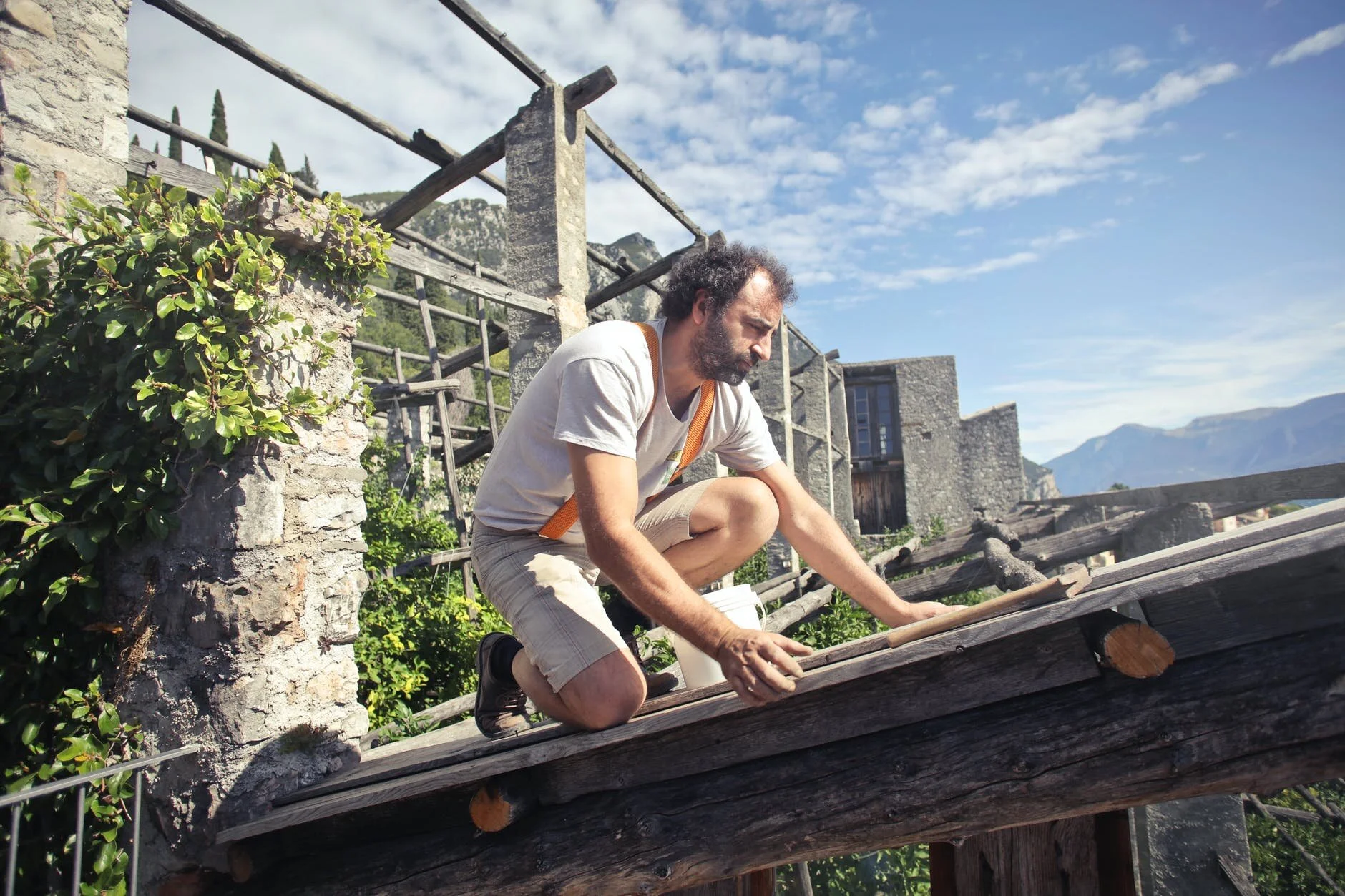
Honestly, unless you are a professionally trained roofer, getting up on your home’s roof is very dangerous and you shouldn’t do it. Even if you aren’t scared of heights, or you are quite confident that you can get the job done, it is always best to seek the help of an expert.

Most professional roofers have years of experience and the right tools and skills to work on any kind of roof. 

They also know how to easily spot potentially dangerous spots on your roof and avoid them while walking. But, you may not know this and this could result in an accident. Many people end up getting injured while attempting to DIY roof replacement or installation, and this ends up costing them more money for repairs and medical bills. So, save yourself the hassle and risk of harming yourself and hire an expert to replace your roof.

5. It Won’t Look As Neat

It can’t be all that difficult to put shingles in a row on your roof, can it?

Ah- if only it were that easy – but it’s not. While some repair tasks may seem easy, attempting to DIY them may not be a wise move. There’s a good chance that you won’t do a neat job as a professional would. Also, you can drastically decrease the aesthetic value of your home by doing a shabby job. As such, get a professional to do it to ensure that you have a tidy result. 

6. It Could Lead To More Damages

But you were only trying to make it better, weren’t you? Wrong.

Attempting to DIY roof replacement, especially if you have no prior skills or experience can end up causing bigger damage than what you initially had. Improper repairs can end up causing more damage and this will cost you extra repair fees.

So, no matter how easy that DIY tutorial looks online, don’t get tempted to replace your roof yourself. Instead, seek the expertise and skills of a professional to get the right results.

Understanding Why Land Surveying Is Important

If you're about to buy property, you'd want to know what the boundaries are, wouldn't you? You would want to access financing to purchase it or develop it, wouldn't you?

If you answered yes to any of those questions, you are just starting to understand why land surveying is important.

What are land surveys?

Land surveying is the act of establishing the boundaries and the natural and man-made features of a piece of land.

There are a number of reasons people would want to know this information.

In the examples above, a land survey would assist in letting you know where your property was located. It would also help a bank or financier assign a value to a property, so they'd know if it was worth investing in.

The above examples also would likely involve very different types of land surveying. The first would be a boundary survey. The second is an ALTA survey. Let's get into the different types of land surveys that exist a little more deeply. For survey design ideas for your site click here

Types of Land Surveys

Boundary survey

A boundary survey is undertaken when the owner of a property wants to establish the boundaries and corners of their land.

People usually do this kind of survey when they want to settle disputes, which, if allowed to escalate, can become quite costly.

They may also be necessary when the owner is thinking about dividing the land, embarking on new construction or identifying easement rights.

Subdivision survey

A subdivision survey is done when the owner wants to divide their plot of land further.

At the end of a subdivision survey, the owner will be able to see his land divided into equal parts. Subdivision surveys often include topographic surveys, which detail everything that is on the land at the time of the survey. These surveys are often conducted by an experienced surveyor in Sydney, especially when compliance with local planning regulations is required.

These are useful for people like residential developers.

ALTA Survey

An ALTA survey is usually commissioned by financial institutions that want more details than a boundary survey can provide.

The details that can be found on an ALTA survey include things like encroachments on the property by neighbors and differences between what is on the title deed and what the property is actually composed of, for example.

Usually, the surveyor is asked to form a legal opinion about the facts of the land. In this way, it resembles Calgary Real Property Reports because it provides the person with far more knowledge about the piece of land. This level of detail is required for investment/financing, commercial real estate, or insurance purposes. These institutions usually need to know everything about the property so they can avoid legal issues down the road. For larger projects, land surveying services for large projects become even more critical, as they ensure comprehensive assessments that address specific needs and regulatory requirements, ultimately safeguarding the interests of all parties involved.

Construction Survey

As the name implies, construction surveys are related to construction activities.

These surveys help establish the boundaries of the structures the crew is about to start building. The boundaries are marked with stakes. 

This way, the structures don't encroach on other earmarked areas on the construction site and difficult to correct, expensive mistakes are lessened.

Topographic survey

A topographic survey is one that lists all the natural and artificial features of a piece of land.

It has the additional benefit of being three dimensional, so viewers of a topographic survey can literally get the lay of the land.

Topographic surveys are useful for people who want to know about the kind of land features they'll encounter before they start construction. Therefore utility companies and authorities engaged in road or drainage construction tend to request them. If you also happen to be looking for a drainage survey, or construction for yourself - it might be beneficial to seek advice from the professionals at drainage-surveys.co.uk who are experts in their field.

Site planning survey

A site planning survey combines the elements of a boundary survey and a topographic survey.

They are most useful to landowners who are thinking about adding new buildings to a property or making improvements to existing ones. 

A property owner may also need this type of survey to obtain permission from zoning and licensing authorities to embark on the type of construction they want.

pexels-photo-5802827.jpeg

Understanding why land surveys are important

As you can see from the various categories of land surveys, you get different information from each type of survey.

This information affects everything that you see on land and even land that has been left empty.

Land surveys determine:

the type of architecture and material needed on the land to be built

which land should be built on and which should be left alone (e.g. you wouldn't build on land that is prone to earthquakes or shifting)

what can be built on the land (residences, commercial buildings, hospitals, roadways)

which land should be used for other purposes (farming, mineral harvesting, parks etc)

Knowing how land surveys work is therefore important. You come away with a much better understanding of your built environment.