Why You’re Seeing More Spiders Around the House as Summer Ends
As summer fades and early fall settles in, you may start noticing more spiders hanging around your windows, porch lights, garage corners, and bathroom ceilings. It can feel sudden, almost like they got a calendar alert. The truth is less dramatic and more interesting. Seasonal shifts change insect activity, spider behavior, and even how your home functions, making these eight-legged roommates much harder to ignore.
Early fall puts spider behavior on full display
You’re not necessarily dealing with a spider invasion. In many cases, you’re just seeing spiders at the exact point in their life cycle when they become more active and visible.
Early fall is prime time for mature spiders. Many species have spent the warmer months growing quietly in hidden spaces. By late summer and early fall, they’re fully developed, building larger webs, moving around more, and searching for mates.
That shift explains why spiders are more noticeable in early fall. It’s less about sudden population explosions and more about timing. They’ve been around for a while. Now they’re stepping into the spotlight, whether you invited them or not.
Your home becomes a better spider setup
As temperatures start to fluctuate, your home begins to look more appealing to spiders. It offers stable shelter, dark corners, steady humidity in some rooms, and easy access to insects.
Think about the usual spider hotspots:
- Garages with stacked boxes
- Attics with low foot traffic
- Basements or crawl spaces
- Window frames and door tracks
- Laundry rooms and bathrooms
These areas are quiet, protected, and often a little messy in ways spiders appreciate. You may not notice one web tucked behind a storage bin in July. By September, that same web can be bigger, better positioned, and impossible to miss. Spiders are opportunists, and your unused corners can become premium real estate surprisingly fast.
Insects draw spiders closer to where you live
Spiders go where the food is. If your home attracts insects, spiders will often follow like patient little pest managers with a PR problem.
Early fall can bring changes in insect movement. Some bugs start seeking warmth or light. Others gather near entry points, window screens, exterior lighting, and damp areas. That gives spiders a reliable hunting zone right on your property.
A few common insect magnets include:
- Porch lights left on at night
- Standing water near the home
- Crumbs or food waste in kitchens
- Overwatered landscaping
- Gaps around doors and windows
You may focus on the spider web stretched across the patio, but the bigger story often starts with the buffet nearby. Cut down the insect traffic, and spiders tend to lose interest in sticking around.
Outdoor conditions also make spiders easier to spot
Some of the seasonal jump in spider sightings has nothing to do with spider numbers. It has to do with visibility.
In early fall, you’re likely spending more time outside because the weather is less brutal. You’re opening windows, walking the yard, cleaning the garage, and sitting on the porch. That naturally increases the odds of noticing webs and spider movement.
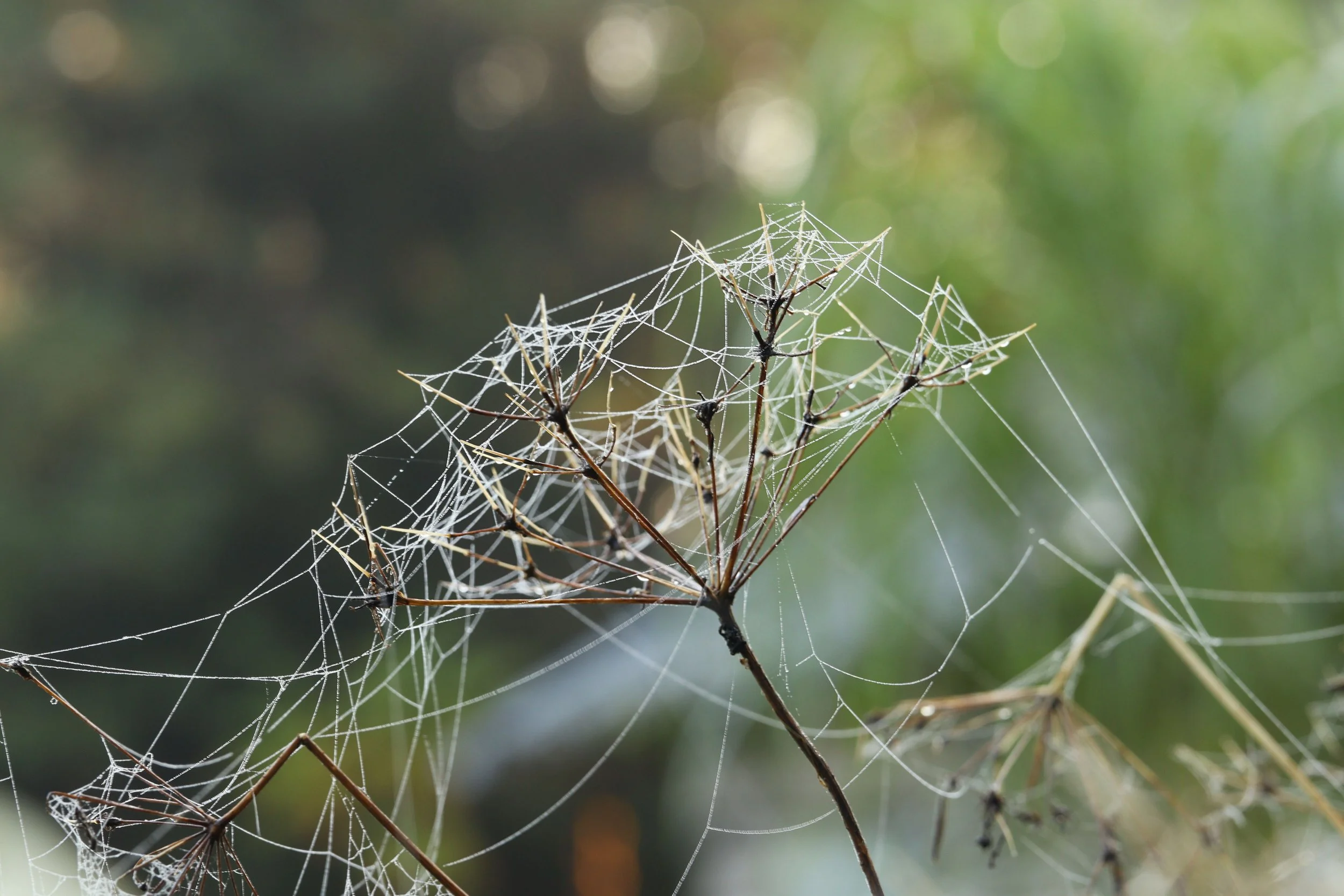
Morning dew also deserves a small round of applause here. It clings to webs and makes them shimmer in the light, turning what was invisible yesterday into a very obvious silk blueprint today. Landscaping changes can add to that effect too. When plants are trimmed back or summer growth dies down, spiders lose cover and become easier to spot around siding, fences, and entryways.
Clutter gives spiders excellent hiding places
If you want fewer spider sightings, one of the most useful things you can do is reduce the spots where they can settle in without being disturbed.
Spiders love clutter because it creates shelter and hunting opportunities. Piles of cardboard, old clothes, unused sports gear, and neglected storage bins make ideal hiding places. Outdoors, woodpiles, leaf litter, overgrown shrubs, and packed gutters can serve the same purpose.
Try these cleanup moves:
- Store items in sealed plastic bins instead of cardboard
- Vacuum corners, under furniture, and behind appliances regularly
- Trim plants away from windows and siding
- Remove leaf piles and yard debris promptly
- Clear out garages and sheds before the season changes further
You don’t need military-level neatness. You just want to make your home less cozy for anything with eight legs and excellent patience.
Entry points matter more than most people think
A spider doesn’t need a dramatic front-door entrance. Tiny gaps are enough.
Cracks in weather stripping, torn screens, unsealed utility openings, and spaces under doors can all give spiders and the insects they hunt an easy way in. Once inside, they tend to head for low-traffic areas where they can stay undisturbed.
Walk through your home with a practical eye and check:
- Door sweeps
- Window seals
- Screen damage
- Pipe and cable openings
- Vents and attic access points
Sealing these areas won’t create an impenetrable fortress, but it can make a real difference. Think of it as reducing random guest access. Spiders aren’t usually charging indoors with a battle plan. They’re just taking advantage of openings that happen to be there.
Most spiders are more helpful than harmful
It’s easy to panic when you see a spider in the bathtub at 7 a.m. looking like it pays rent. Still, most household spiders are not dangerous to you.
Many common spiders help by feeding on flies, mosquitoes, moths, and other pests. They’re part of the natural balancing act around your home. The issue is less about immediate danger and more about comfort, sanitation, and the possibility of a larger pest pattern.
That said, you should stay alert if you’re in a region where medically significant spiders are known to live. Learn which species are common in your area, and don’t handle unknown spiders directly. A calm, informed approach works better than panic. A shoe is not a long-term pest strategy, despite its emotional appeal.
Smart prevention beats reacting every time
If you’re only dealing with spiders after they appear, you’re always playing catch-up. Prevention usually works better and takes less effort over time.
A strong approach includes both indoor and outdoor habits:
- Keep exterior lights warm-toned or less attractive to insects
- Fix moisture issues under sinks and around foundations
- Vacuum webs as soon as you notice them
- Keep food sealed and surfaces clean
- Inspect storage areas monthly
- Schedule pest control if sightings become frequent or specific species keep returning
The goal to eliminate every spider from existence. Good luck pitching that to nature. The goal is to make your home less attractive to insects and less welcoming to spiders, especially during the seasonal window when they’re most active and visible.
A few extra spiders can reveal a bigger home maintenance issue
Sometimes spiders are just being spiders. Other times, they’re a clue.
Frequent sightings in one part of the home can point to excess moisture, hidden insect activity, neglected storage areas, or cracks that also allow other pests inside. In that sense, spiders can act like tiny warning flags with legs.
If you keep seeing webs in the same room, don’t stop at removing them. Check what may be supporting the pattern. Is there condensation around a window? A drain issue? A forgotten bag of pet food in the laundry room? A damaged screen in the garage?
When you look at spider activity as part of the bigger picture, you’ll often solve more than one problem at once. That’s a lot more useful than pretending the web in the corner appeared by magic.