Why Roof Condition Matters in Real Estate Transactions
Buying or selling a home represents a major financial milestone for most families. You likely inspect the modern kitchen countertops and the spacious backyard, but you must remember to look up. The roof protects everything underneath it from the elements.
The overhead structure keeps the entire building safe from harsh weather. Neglecting its current state can lead to massive headaches during real estate negotiations.
First Impression Matters
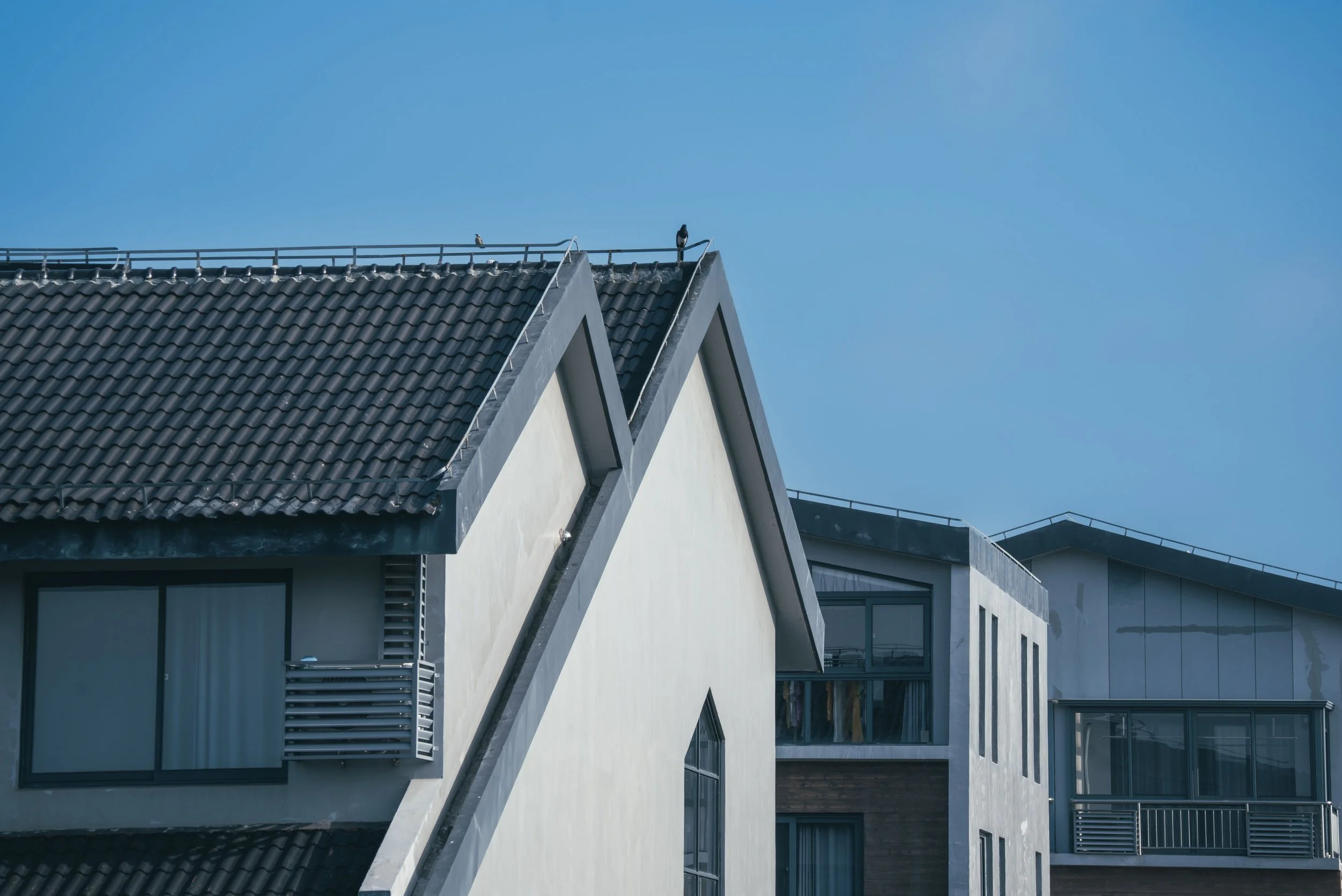
Curb appeal plays a massive role in attracting serious buyers to an open house. A clean exterior instantly boosts confidence in the maintenance of the property. People assume a well-kept exterior means the interior is in great shape too.
Maintaining a home requires regular attention to structural and aesthetic elements. Many homeowners invest in quality siding and roofing installation to protect their properties and improve general aesthetics. It updates the outer appearance of the house completely.
Buyers appreciate properties that require no immediate exterior repairs. A polished exterior invites people to see what else the home has to offer. It sets a positive tone for the entire showing.
Local Climate Challenges
Different regions face distinct weather patterns that wear down outer building materials. Heavy snow, high winds, and intense summer heat take a heavy toll on shingles. These elements can cause hidden damage that only a professional can spot.
Buyers in certain areas feel anxious about the cost of major roof repairs. A local roofing blog pointed out that regional climate factors can quickly accelerate wear on materials, making buyers extra cautious. Fear can stall negotiations before they even begin.
Sellers can ease minds by sharing maintenance records with potential buyers. Showing that the overhead structure survived tough seasons builds confidence. It demonstrates proactive ownership and care.
The Power of Appraisals
Mortgage lenders require a professional appraisal before they approve any home loan. If the appraiser finds structural flaws, the entire deal can fall apart. It makes the roof one of the most critical areas during a property valuation.
A real estate report noted that homes with asphalt shingle roofs over 13 years old often face a drop in appraised value, as they are nearing the end of their normal lifespan. It forces sellers to lower their original asking prices.
Appraisers look at several key details during their property inspection. Here are some factors they inspect:
The age of the shingle layers.
Signs of curling or missing pieces.
Soft spots on the wood decking.
Negotiating Power Shifts
A sturdy overhead system gives sellers a massive advantage in a competitive market. They can hold firm on their asking price with complete confidence. Buyers have less leverage to demand steep discounts.
A real estate news source noted that a newer roof can help a property secure multiple offers and earn $10,000 to $15,000 more. Extra profit easily offsets the initial replacement investment. It makes the property stand out among similar listings.
Buyers who see an old roof will immediately ask for major price drops. They do not want to inherit a massive project right after moving in. They want a home that is ready for move-in day.
Insurance Approval Hurdles
Modern insurance companies are getting stricter about what they cover on older properties. They inspect the property thoroughly before writing a new policy. They want to avoid paying for pre-existing wear and tear.
Old structures often fail to meet basic underwriting standards of top insurers. If a provider refuses coverage, the buyer cannot secure their financing. It can kill a deal at the final hour.
The situation creates a major roadblock for all parties. Addressing the issues early keeps the transaction moving toward a successful close. It prevents last-minute stress for everyone involved.
Preventing Hidden Structural Damage
Small leaks can hide behind walls for months without being noticed by homeowners. Moisture rots wood framing and encourages mold growth. It can quietly ruin a house from the inside out.
Solving the issues after they spread is incredibly expensive for a new owner. Catching them early protects the foundation and the walls. It preserves the long-term value of the building.
Regular checkups keep the entire home safe and sturdy. A dry home is a valuable home. It gives buyers and sellers peace of mind during the transfer of ownership.
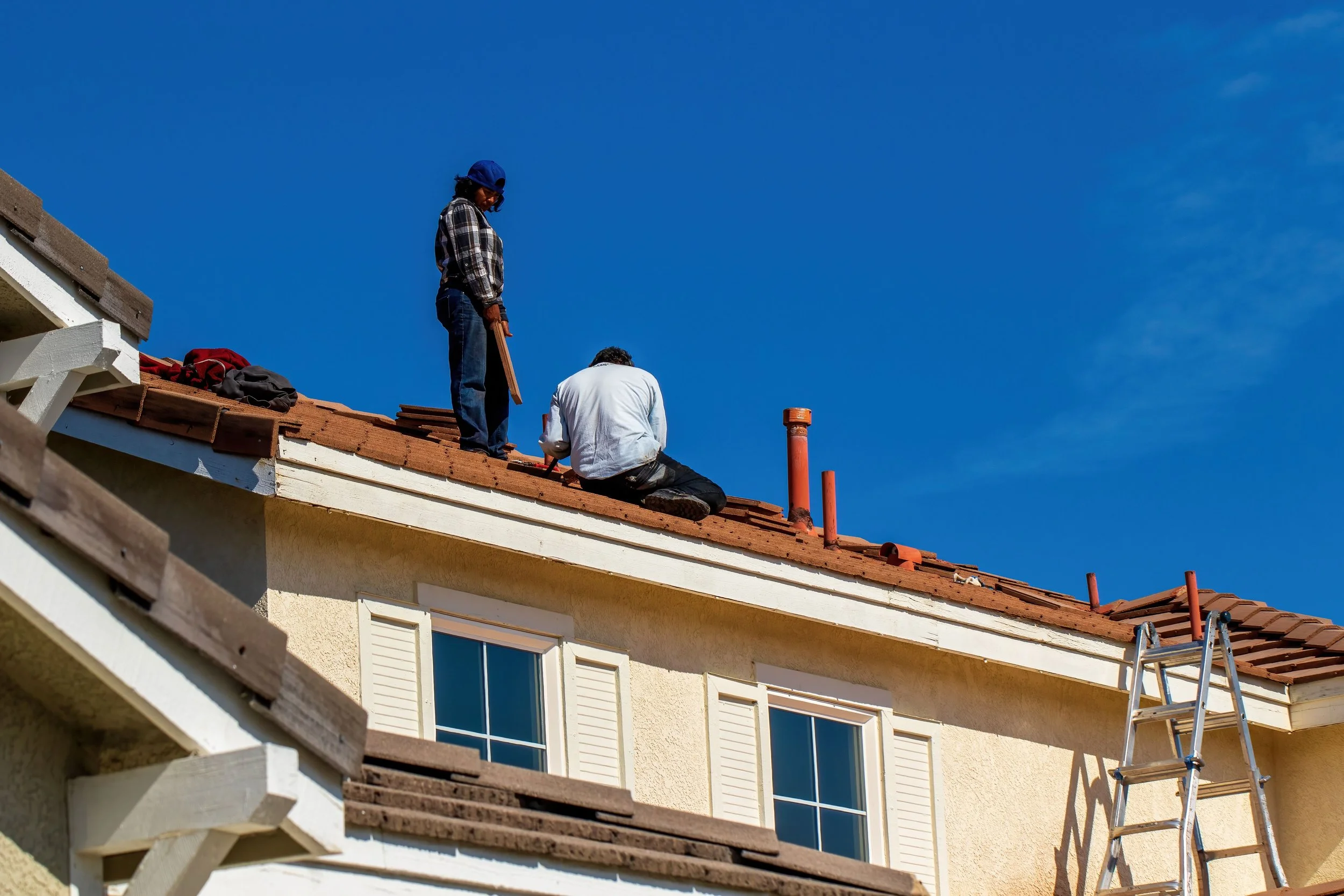
Keeping track of your home's exterior health makes the selling process smooth. It removes unexpected delays and keeps prospective buyers highly interested. Taking a simple, proactive step keeps your transaction on schedule and prevents negotiation disputes.
Preparing key exterior details early helps secure a highly successful sale. A strong cover protects your long-term financial investment and your peace of mind. It makes the property a truly excellent choice for any buyer.