What To Watch for When You’re Walking Near Roads
Walking near traffic can feel routine until something unexpected happens, like a car rolling through a corner, a cyclist cutting between lanes, or a driver looking down at a phone. The biggest risks often show up in ordinary places, driveways, wide intersections, and stretches where sidewalks disappear, because people get comfortable and stop scanning.
Staying safe is less about being “on edge” and more about building small, repeatable habits. When you choose routes with separation, make yourself easy to see, and cross in predictable ways, you shrink the number of moments where a driver has to react instantly.
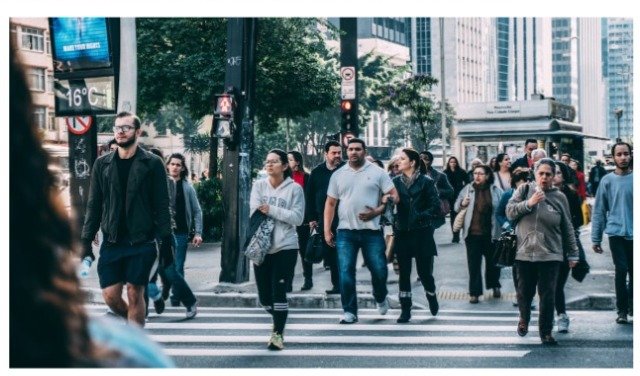
Choose Routes With Separation And Predictability
Your safest decision usually happens before you ever step outside. Sidewalks, multi-use paths, and streets with clear shoulders reduce exposure because they give you space that drivers don’t expect to use.
When sidewalks are missing, treat the road edge like a hazard zone, not a walking lane. Use the widest shoulder available, stay as far from traffic as practical, and avoid walking on the outside of curves where drivers may drift.
Construction zones deserve special caution because normal walking patterns break down. Temporary barriers may push you closer to moving traffic, signs may block sightlines, and drivers may be focused on merging rather than noticing pedestrians.
Stay Visible And Hard To Miss
Visibility is not just a nighttime issue. During the day, shadows, glare, and visual clutter can make it easier for drivers to overlook someone walking near the curb. Wearing brighter colors and higher contrast helps you stand out near parked cars and busy commercial areas.
In low light, assume drivers see you later than you expect. Reflective elements help because they catch headlights, but a small light can be even better because it signals “human movement” earlier.
Body language matters too. If you’re stepping toward a crossing, pause briefly so your intent is clear, then proceed steadily instead of darting.
Treat Turns, Driveways, And Parking Lots As High Risk
Many close calls happen when vehicles turn, not when they drive straight. Drivers may be looking for a gap in traffic and forget to check the sidewalk, or they may misjudge how quickly they’ll reach the corner.
Driveways and parking lot exits are another hotspot because drivers often focus on cars, not walkers. Watch front wheels as much as headlights, since a rolling tire tells you a vehicle is about to move even if the driver hasn’t looked your way.
If you’re trying to understand how injury claims and responsibility can work after a crash, it helps to know that distractions and turning conflicts come up often. In many cases, a pedestrian may consult experts like Gay Chacker & Ginsburg injury lawyers to learn what steps can protect them while the details are still fresh. Walking with steady awareness, strong visibility, and smart crossing choices is one of the most reliable ways to reduce risk every time you’re near traffic.
Cross With Intention, Not Hope
Crossing is safest when you do it where drivers expect pedestrians. Marked crosswalks and intersections concentrate attention, and they usually provide better sightlines than mid-block crossings.
Before stepping off the curb, scan in every direction, including for turning vehicles. A car behind you can turn right across your path, and a car facing you can turn left while watching oncoming traffic instead of the crosswalk.
Once you commit to crossing, keep moving at a steady pace and keep scanning. Don’t stop in a travel lane to check your phone, and don’t assume a driver will continue yielding just because they started to.
Reduce Distraction And Keep Your Movements Clear
Distraction is a problem on both sides of the road. If you’re looking down at your phone or wearing headphones that block traffic noise, you lose cues that can warn you early, like acceleration, tire sounds, or a sudden horn.
Your goal is to be easy to “read.” Walk in a straight line when possible, avoid weaving around obstacles at the last second, and signal your intent by slowing or pausing before you turn or cross.
If you’re walking with children, treat spacing as a safety tool. Keep kids on the inside away from the curb, hold hands near intersections, and avoid letting them run ahead toward a driveway opening.
Adjust For Speed, Weather, And Night Conditions
Speed changes how much time you and a driver have to react. On higher-speed roads, even a small misread becomes dangerous because stopping distances are longer and impact forces are greater.
Weather adds friction and uncertainty. Rain reduces visibility and makes braking less reliable, while snow or ice can push vehicles closer to the shoulder. In these conditions, increase your buffer from traffic and avoid crossing near curves or hills where you might appear late.
At night, protect your visibility like it’s part of your route planning. Walk on well-lit streets, avoid dark clothing without reflective elements, and assume drivers may be managing glare from headlights and wet pavement.
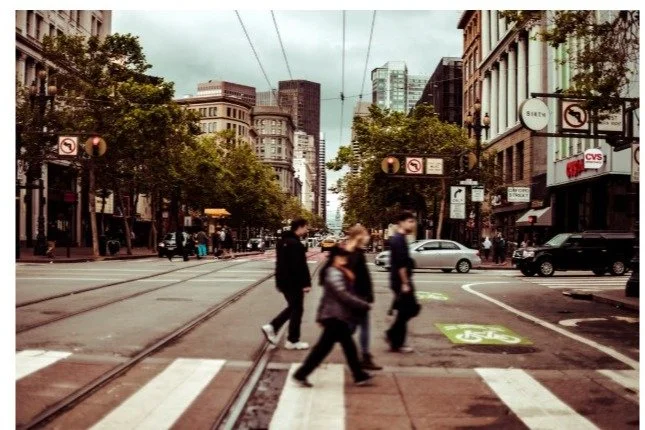
Walking near roads is safer when you focus on the moments where conflicts happen most: turning vehicles, driveway exits, low-visibility stretches, and crossings with mixed signals.
If an incident does happen, prioritize medical care and write down what you remember as soon as possible, including location, direction of travel, and any witnesses. That documentation can support follow-up steps, and it can help you spot patterns that make your future walks safer.