What to Know About Plumbing Before You Start a DIY Renovation
Not all DIY renovation work carries the same risk. Painting a room or installing new cabinets rarely goes wrong in a way that costs real money.
Plumbing is a different story. A missed permit, a wrong pipe fitting, or a drain line with the wrong slope can undo weeks of otherwise solid work.
Knowing where the real risk is and what to plan for before starting makes the difference between a smooth project and an expensive one.
Know What's Behind the Walls First
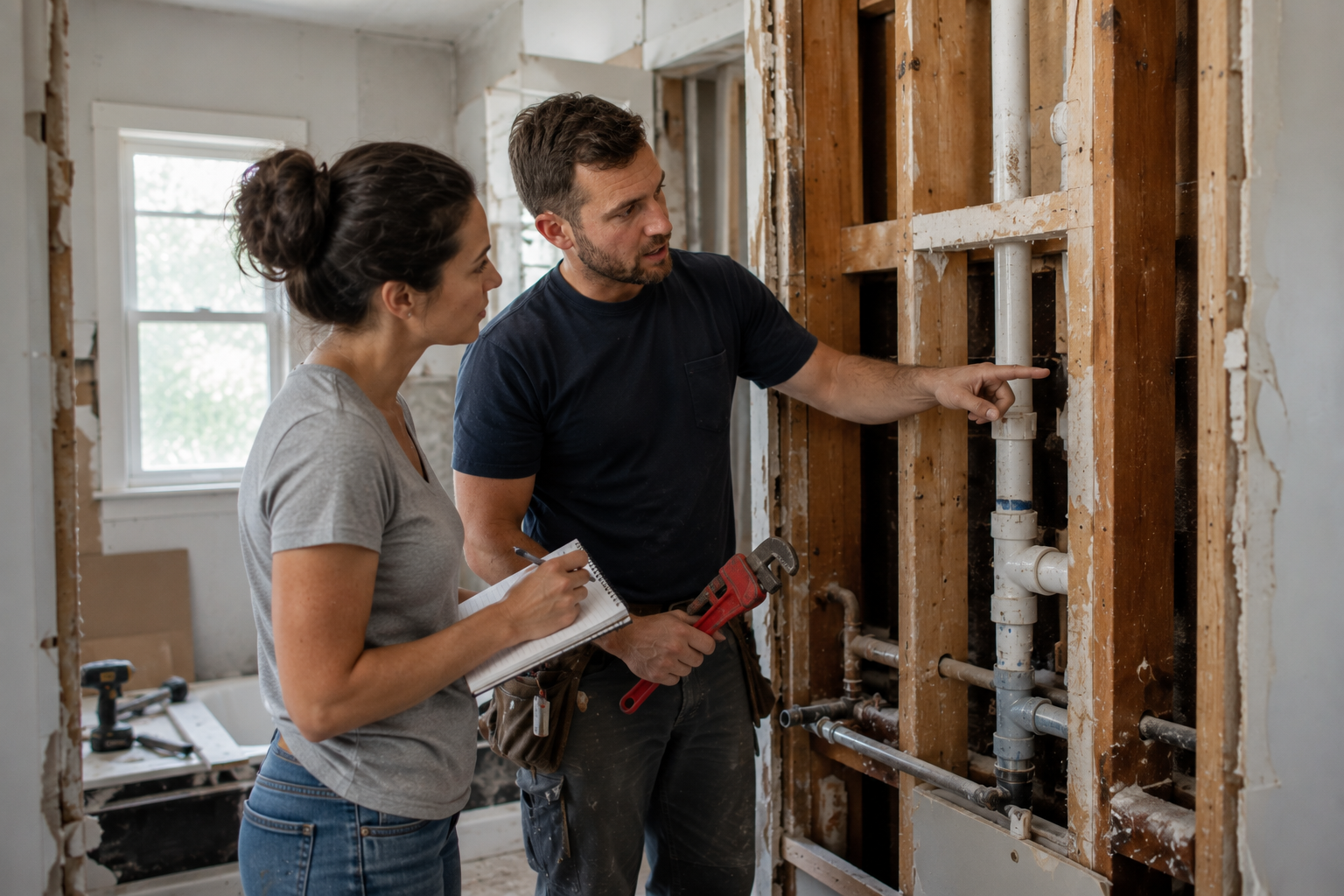
Before any demo starts, it helps to know where the pipes actually run. Many DIYers assume plumbing lines follow a predictable path, straight up from the fixture below, but older homes especially can have pipes rerouted from past repairs or additions.
Cutting into a wall without knowing this can mean an unexpected leak, or worse, a pipe that gets damaged mid-project. Getting a plumber Hot Springs homeowners already work with to walk through the space beforehand can save a lot of guesswork.
Understand the Difference Between Cosmetic and Structural Work
Some plumbing changes are simple. Others aren't. Swapping a faucet or replacing a showerhead falls into the simple category, and most homeowners can handle it without issue.
Moving a sink, relocating a toilet, or changing where a shower drains is a different situation entirely. These changes touch the drain-waste-vent system, and that system depends on correct slope and proper venting to work at all.
Get either one wrong, and the problems don't show up right away. They show up weeks later, as slow drains, gurgling pipes, or a sewer smell that seems to come from nowhere.
Permits Aren't Just Paperwork
Many homeowners skip permits on DIY plumbing work, assuming it's only necessary for big jobs. In most areas, though, anything beyond basic fixture replacement, like moving a drain line or adding a new water supply line, requires a permit and an inspection. Skipping this step can cause problems later, especially when selling the home. Unpermitted plumbing work is a common reason deals fall through during a home inspection.
Water Shutoff Isn't Always Where You Think
Cutting into a pipe without shutting off the water first is a fast way to flood a room. Most homes have a main shutoff valve somewhere, often in the basement, a crawl space, or near the water meter.
But that's not the only valve in the house. Individual fixtures, like a sink or a toilet, usually have their own shutoff too.
The problem is knowing which valve controls which part of the house. Shut off the wrong one, and the water keeps flowing exactly where it shouldn't. A few minutes spent tracing this out before starting saves a lot of cleanup later.
Common DIY Plumbing Mistakes
Most DIY plumbing problems trace back to the same handful of mistakes. Knowing what they are ahead of time is usually enough to avoid them.
Using the wrong pipe fittings. Mixing incompatible materials, like copper and galvanized steel, without the right connector can cause corrosion over time.
Skipping a pressure test. New connections should be tested before walls or flooring go back in place. A slow leak behind a finished wall is far more expensive to fix than one caught early.
Ignoring vent requirements. Every drain needs proper venting to work correctly. Skipping this step is one of the most common reasons DIY plumbing fails inspection.
Overtightening connections. More torque doesn't mean a better seal. Overtightening can crack fittings or damage threads, leading to leaks that show up later.
Not accounting for slope. Drain lines need the correct slope to work by gravity. Too flat, and waste sits in the pipe. Too steep, and water drains faster than solid waste, leading to clogs.
What's Safe to DIY vs. What Isn't
The line between a safe DIY task and one that needs a professional usually comes down to one thing: does it involve moving where water goes, or just replacing what's already there?
Reasonable for Most DIYers
Swapping a faucet, showerhead, or toilet in its existing spot. This doesn't change how the plumbing behind it works; it just replaces the visible part.
Replacing supply lines under a sink. These connect to fittings already designed to be accessed and swapped.
Clearing a clog with a plunger or drain snake. Low-risk, as long as it's a simple blockage and not a sign of a bigger issue further down the line.
Better Left to a Professional
Moving or adding drain lines. This means working with the drain-waste-vent system's slope and venting requirements, not just swapping a part.
Anything involving the main water line or gas line. The stakes are higher here. A mistake isn't a slow leak; it's a flood or a safety hazard.
Repairs in tight or hard-to-reach spots. Behind finished walls, under a slab, or deep in a crawl space, these jobs often require tools and access most homeowners don't have on hand.
Conclusion
Most DIY renovations can include plumbing work without issue, as long as the scope stays realistic. Fixture swaps, supply lines, and basic clogs are fair game for most homeowners.
The moment a drain needs to move, a permit comes into play, or the main line gets involved, that's the signal to bring in a professional. Knowing where that line sits before starting is what keeps a DIY project on budget instead of turning into an expensive lesson.
Frequently Asked Questions
Can I move a sink or toilet without a professional?
It's possible, but it involves working with the drain-waste-vent system, which has strict slope and venting rules. Getting it wrong often means a redo, which costs more than doing it right the first time.
Do I need a permit for a bathroom remodel?
In most areas, yes, if the work involves moving plumbing lines or adding new fixtures. Simple fixture swaps in the same location usually don't require one, but it's worth checking local codes first.
How do I know if my home's pipe material needs special attention?
Older homes with galvanized steel or polybutylene piping need extra care when tying in new fixtures or lines. A quick inspection before starting work can detect this.
What's the biggest risk of skipping a pressure test?
A slow leak inside a finished wall. It can go unnoticed for weeks or months, leading to water damage, mold, and a much bigger repair than the original project.
Is it okay to hire a plumber for just part of a renovation?
Yes. Many homeowners handle the cosmetic work themselves and bring in a plumber only for the parts that involve moving lines, tying into the main system, or anything requiring a permit.