What to Know About Creating a Football Team in New York
New York thrives on energy, ambition, and community pride across every neighborhood. Building a successful football franchise requires clear organization, financial planning, and sharp branding beyond raw passion on the gridiron. From securing local practice space to designing custom athletic kits, here is what you need to understand before launching a new squad in the city.
Designing High-End Custom Apparel and Team Aesthetics
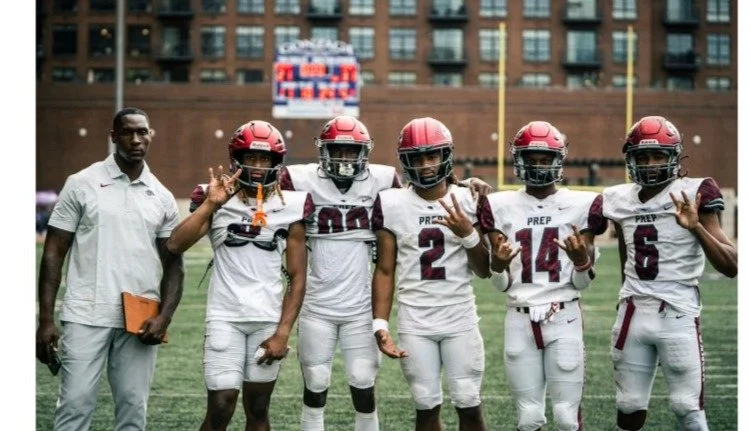
Player apparel defines the identity of a team before kickoff even happens. Modern athletic programs rely on sharp graphics, sleek cuts, and high-performance garments to build visual credibility.
Top athletic organizations order gear through specialized suppliers to keep athletes cool and supported on the field. Outfitting players with The Imperial Point supplies durable sportswear designed for intense physical contact and peak moisture management. Proper fitting uniforms raise squad confidence during tough games. High-performance fabrics help players perform at their absolute best through four grueling quarters.
Selecting matching gear establishes a clear brand identity across the borough. Uniformity builds pride among team members and makes a lasting impression on spectators. Consistent colors give programs a polished look.
Establishing Financial Budget Models and Initial Funding
Launching a new sports squad requires realistic financial planning right from day 1. Expense categories include field permits, insurance coverage, equipment, safety gear, and official league dues. Having clear oversight of upcoming operational expenses prevents unexpected financial bottlenecks.
Startup costs range from $10,000 for a lean community model to $150,000 or more for a larger facility-based program. Securing corporate sponsors and local business backing helps manage these upfront line items. Managing team cash flow keeps operations steady throughout competitive months.
Fundraising events help bridge gaps in initial operational funds. Community bake sales, local raffles, and online crowdfunding campaigns mobilize neighborhood support. Strong financial foundations give staff peace of mind during long seasons.
Navigating League Registration and Online Player Intake
Joining an established regional league brings immediate structure to your annual game schedule. Official league registration creates a paper trail, giving programs protection, legitimacy, and direct access to organized competitions, certified referees, and structured fixtures. Organized leagues provide clear rules and structured tournaments.
Administrative work requires collecting player waivers, medical forms, and emergency contact details. Modern leagues streamline roster management, as player registration is completed primarily online. Online portals save administrative staff hours during busy pre-season preparation weeks.
Keeping registration databases current keeps coaches updated on player eligibility. Clear administrative records prevent last-minute eligibility disputes during playoff games.
Securing Municipal Field Permits Across NYC Boroughs
Finding quality gridirons in New York City takes early preparation and persistent follow-up. Public parks and high school athletic fields require seasonal permits issued through municipal recreation departments. Early submission of permit applications increases your odds of securing preferred turf.
Competition for prime time slots in public spaces remains high year after year. Teams must apply months in advance to lock down reliable weekly practice slots. Having alternate venues listed in permit applications prevents scheduling headaches when primary sites become unavailable.
Maintaining good standing with municipal department staff opens doors for future seasonal renewals. Following field rules, respecting curfew times, and cleaning up sidelines preserves your organization's reputation.
Structuring Coaching Staff and Safety Protocols
Building a strong sideline staff keeps players safe, disciplined, and competitive. Head coaches, strength assistants, and certified athletic trainers create a well-rounded sports leadership structure for young athletes. Experienced mentors teach proper football mechanics and instill sportsmanship.
Key responsibilities for staff members include the following core duties:
Conducting thorough safety checks on pads, helmets, and protective gear before every practice session.
Implementing structured daily workout routines to build player stamina and reduce soft-tissue injury risks.
Managing game strategies, player rotations, and sideline adjustments during weekend competitions.
Maintaining clear lines of communication with parents, league directors, and municipal facility managers.
Regular safety meetings keep coaching personnel aligned on medical procedures and injury response protocols. Certified trainers handle immediate medical needs, allowing coaches to focus on game strategy.
Building Brand Visibility and Local Fan Engagement
A great sports organization connects deeply with its home neighborhood and local residents. Engaging neighborhood residents and local businesses creates a loyal fan base for weekend home games. Community support turns ordinary gridiron matchups into celebrated local events.
Digital media strategies help highlight player achievements, game highlights, and roster updates. Sharing score updates and behind-the-scenes footage keeps followers invested in team progress. Partnering with neighborhood dining spots generates mutual promotional support across social platforms.
Hosting local youth clinics fosters goodwill and inspires future generations of athletes. Long-term franchise success relies on strong roots within the surrounding neighborhood.
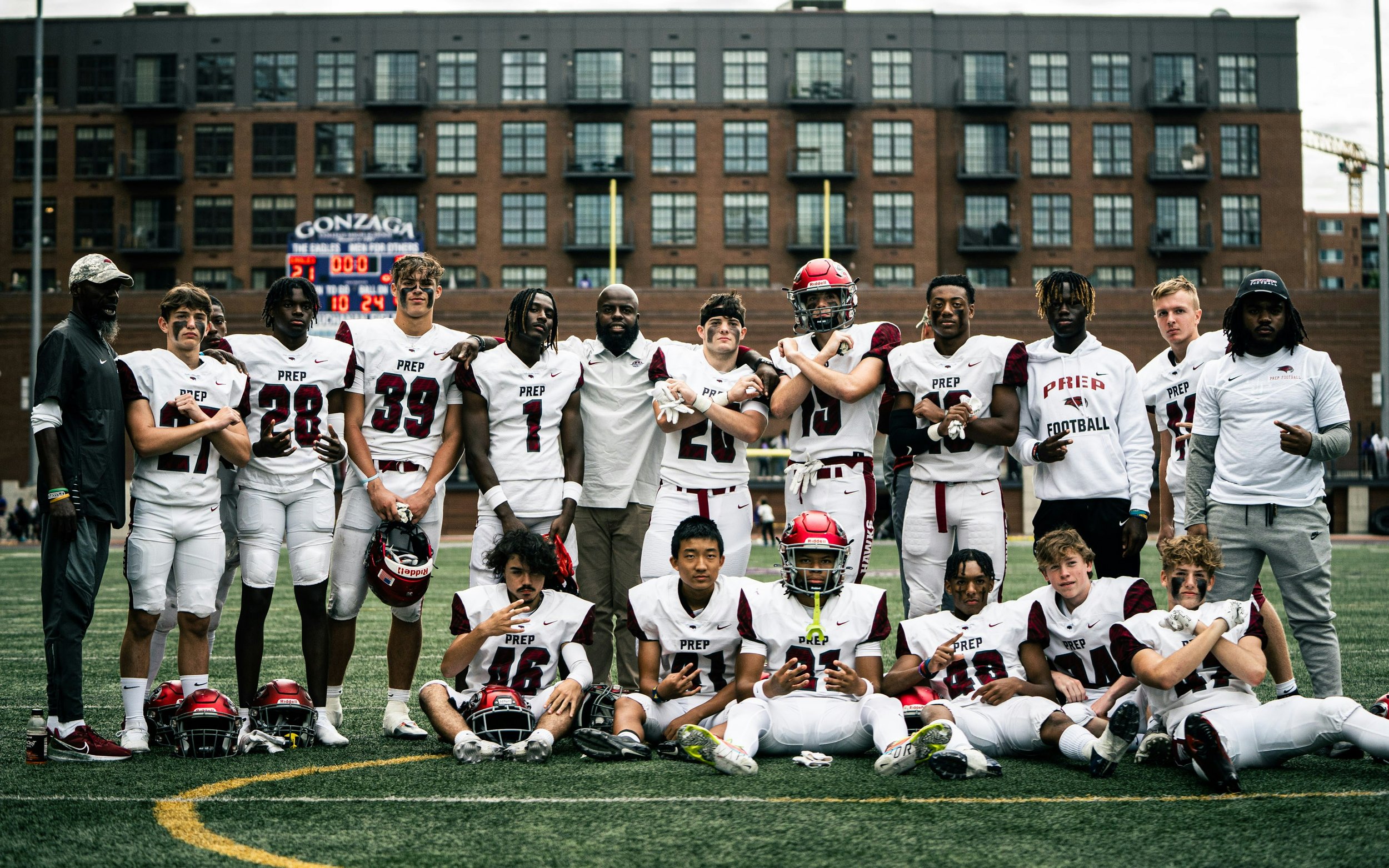
Creating a football program in New York demands dedication, smart budgeting, and attention to detail. Managing player registration, obtaining field access, and outfitting your roster with quality gear lays a solid foundation. Strong community support and organized coaching lead to long-term athletic success. Step onto the field with confidence and build a team that New Yorkers can root for season after season.