What Older Homes Hide: A Buyer's Guide to Pipes and Heat
Image by kenneth-1 on Magnific
Charm sells a house. Original moldings, wide floorboards, a staircase nobody builds anymore: these are the things buyers fall for, and reasonably so. What almost nobody inspects with equal enthusiasm is the pipework running behind those walls or the boiler sitting in the basement, and yet those two systems will determine more about your first two years of ownership than any cosmetic feature. The systems you cannot see are the ones most likely to hand you a bill you did not plan for.
Why the Boring Systems Deserve the Attention
Buyers arrive at a viewing with a mental checklist weighted heavily toward what is visible. Kitchens and bathrooms get scrutinized, layouts get debated, and the mechanical systems get a passing glance if they are considered at all. This is understandable and expensive, because plumbing and heating are the systems most likely to fail expensively and most disruptive when they do. Having a firm such as Spearhead Plumbing & Heating assess the systems before you commit costs a fraction of what a surprise repair does, and it gives you something concrete to negotiate with if problems turn up. A standard home inspection is broad by design; a specialist looking specifically at pipes and heat sees things a generalist walks past.
The Age of the Pipes Tells a Story
Different eras of construction brought different materials, and each has its own failure pattern. Galvanized steel supply lines, common in older housing stock, corrode from the inside and gradually restrict flow until pressure becomes noticeably poor. Cast iron waste lines have a long but finite life and eventually crack or scale. Polybutylene, used for a period in the late twentieth century, developed a reputation for failures serious enough that many buyers now treat it as a replacement item rather than a risk to monitor. Knowing what is actually installed, rather than assuming, changes how you think about the price. It also changes how you plan. A house with original supply lines is not necessarily a bad buy, but it is a house where a repipe is a question of when rather than whether, and that belongs in your budget from day one rather than arriving as a shock in year three. Sellers are not always aware of what is behind their own walls either, so the answer you get may be honest and still wrong, which is precisely why a specialist looking at the actual pipework is worth more than a conversation about it.
Heating Systems and What They Really Cost
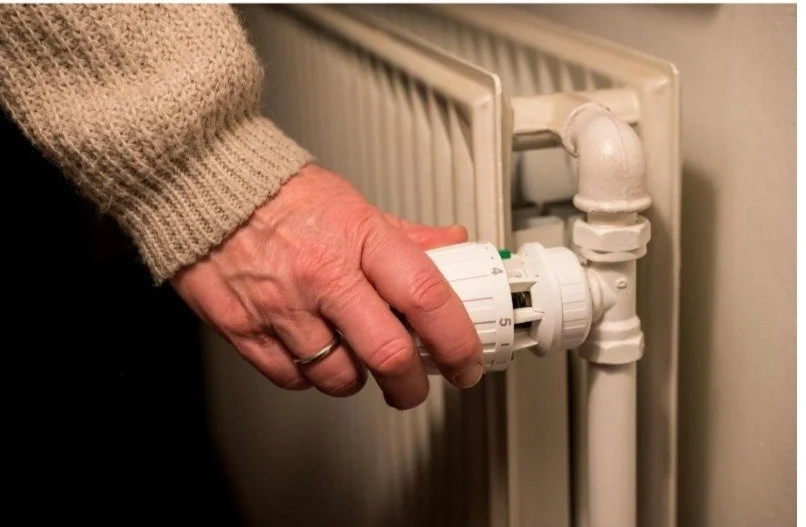
A heating system that works on the day of the inspection tells you very little about how many winters it has left. Age matters, service history matters more, and efficiency matters most for what you will actually pay each month. An older unit may run reliably while consuming considerably more fuel than a modern equivalent, which is a cost that never appears in the purchase price but shows up every billing cycle. Ask when it was last serviced, whether records exist, and what the previous owners paid to heat the place, since that figure is often more revealing than any specification sheet. Radiators and ductwork deserve a look as well, because a system is only as good as its distribution. Rooms that never quite warm up, radiators that stay cold at one end, or ducting that has been extended into an addition without being resized all point to a system that is being asked to do more than it was designed for. Those problems are fixable, but they are worth identifying before you own them rather than during the first cold snap.
Water Pressure and What It Signals
Poor pressure is easy to dismiss as a quirk of an old house, and sometimes it is. Often it is a symptom of something more specific: corroded supply lines narrowing internally, a partially closed valve nobody has touched in years, or a municipal supply issue affecting the whole street. The distinction matters enormously, because one is an afternoon's work and another is a repipe. Running taps and showers during a viewing feels awkward and is entirely reasonable, and the answer you get from a seller about why the pressure is what it is will tell you something either way.
The Leaks You Cannot See
The most expensive water problems are usually the slow ones. A pinhole leak inside a wall can run for months, damaging framing and encouraging mold long before anyone notices a stain. Household leaks collectively waste an enormous amount of water nationally, which is why the EPA's WaterSense program publishes guidance on detecting them, including the simple practice of checking a water meter when no fixtures are running to see whether anything is moving. That single check takes minutes and can reveal a problem that no visual inspection would catch, which makes it worth doing before you buy rather than after.
Sewer Lines Are the Ones That Hurt
Of all the systems in an older property, the lateral running from the house to the main sewer is the one buyers most reliably forget and most bitterly regret. It is buried, it is invisible, and in older neighborhoods it is frequently made of materials that have been slowly degrading under tree roots for decades. A camera inspection of that line is a modest expense against the cost of excavating a driveway to replace it. If a property is old enough to have mature trees near the line, treat that inspection as standard rather than optional.
Negotiating With What You Find
Discovering problems is not a reason to walk away from a house you love. It is leverage, and it is information. Documented issues with quotes attached give you a specific basis for a price adjustment or a request that work be completed before closing, and sellers generally respond far better to a written estimate than to a vague concern. The buyers who do best with older homes are not the ones who avoid properties with problems. They are the ones who found the problems early, priced them accurately, and went in knowing exactly what they were taking on.