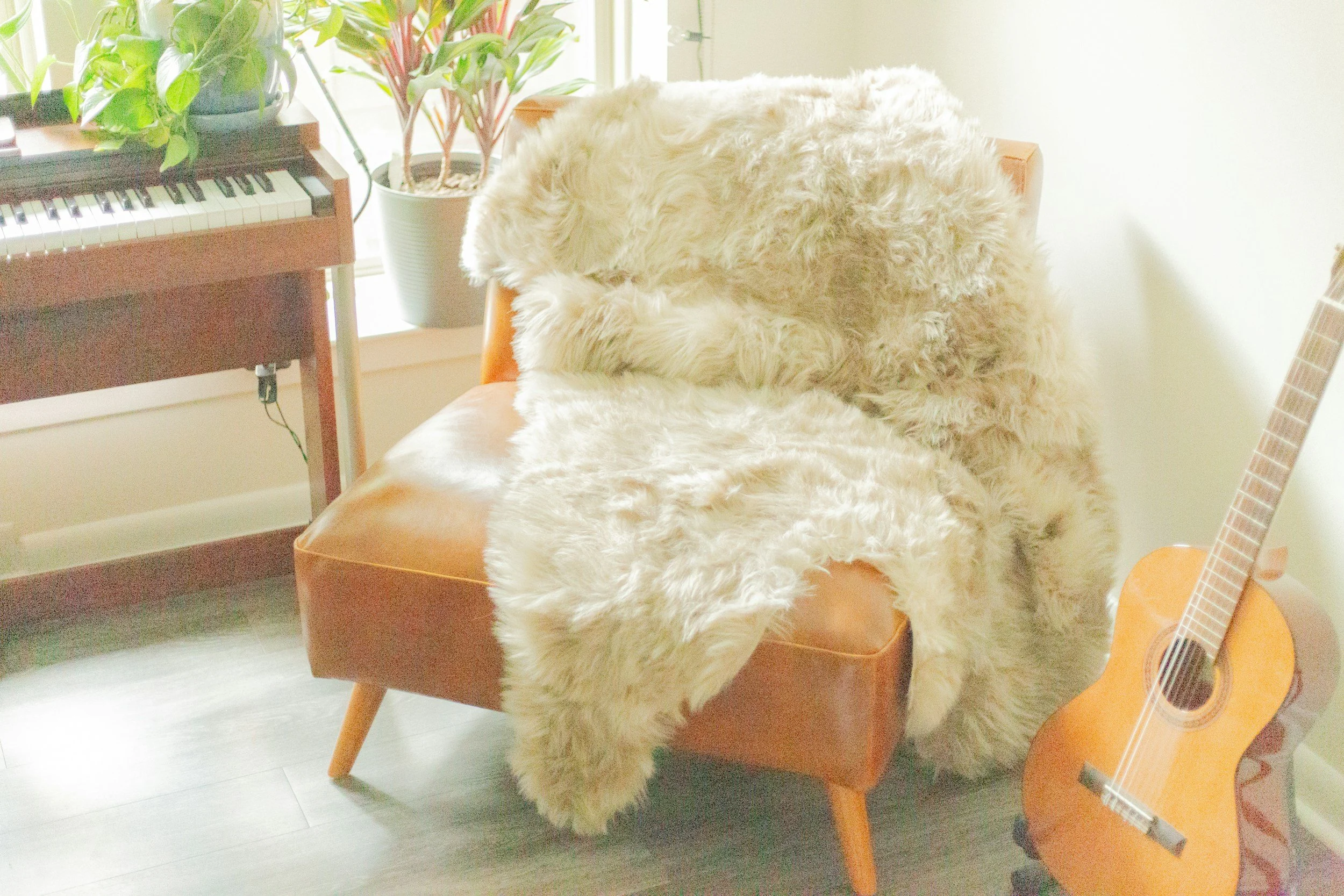
What Makes Natural Sheepskin Rugs a Smart Investment for Any Home
The word "investment" gets applied to many home purchases that do not deserve it. A new sofa, a flat-screen television, or a set of synthetic rugs may improve a living space, but most lose their appeal within a few years and end up replaced.
Genuine investments hold their value, perform consistently over time, and become more useful with each passing year rather than less. By that standard, natural sheepskin belongs in a different category from most home decor purchases. The case for treating it as an investment rests on practical factors that show up in daily use, not on marketing or aesthetics alone.
Quality and durability, low maintenance, and versatility across spaces and seasons all contribute to the long-term value that makes sheepskin rugs worth the higher upfront cost compared to synthetic alternatives. Understanding where that value comes from helps explain why the same rug can serve a household for decades.
Decades of Useful Life
A quality sheepskin rug, cared for reasonably, can last 20 to 30 years or more. The natural fibers and tanned leather backing tolerate years of use that would destroy a synthetic alternative, and they often develop a softer, more lived-in character with age rather than becoming worn or threadbare.
This longevity reflects the inherent properties of wool itself. Research has shown how environmental factors affect sheep wool fibers, noting that natural fibers have become strong candidates for substituting fossil-based counterparts because of their abundance and biodegradability.
However, humidity and UV exposure can affect their long-term durability. When stored and used in normal indoor conditions, however, wool retains its strength and resilience for decades.
Low Maintenance Requirements
Cleaning supplies, professional services, replacement parts, and the time spent maintaining the rug all add to its true cost of ownership. Sheepskin requires remarkably little of any of these.
The natural lanolin in wool resists dirt and odors, meaning the rug needs cleaning far less often than synthetic alternatives. Most maintenance involves shaking the rug outdoors, gentle brushing, and occasional spot cleaning with cool water and mild soap.
Professional cleaning is rarely necessary, and when it is needed, the rug responds well to gentle hand washing without requiring specialty services or treatments.
Year-Round Versatility
Many home accessories serve a single season or a single purpose. Sheepskin works across both.
The thermal properties of wool make the rug feel warm and insulating during cold months, providing comfortable footing on cold floors and helping retain heat in living spaces. In warmer weather, the same fibers wick moisture and remain cool to the touch, which keeps the rug comfortable rather than oppressive.
This versatility extends to placement. A sheepskin rug works as a floor covering, a chair drape, a bedside accent, a nursery floor, a meditation surface, or a styling element across nearly any room. Few decor purchases adapt to this many uses, which extends the practical value of the investment.
Compatibility With Changing Styles
Trends in interior design come and go quickly. A bold patterned synthetic rug that defines a room today may look dated within a few years, prompting replacement before the rug itself has worn out.
The neutral tones, soft texture, and timeless appeal of natural sheepskin work across nearly any aesthetic, however, and look as appropriate in a room decorated 20 years from now as they do today. This stylistic flexibility protects the investment against changing trends.
Health and Comfort Benefits
Synthetic carpets and rugs often release volatile organic compounds, trap allergens in their fibers, and shed microplastic particles throughout their lifespan. Natural sheepskin contains no synthetic adhesives, dyes, or finishes when chosen in its natural form, which produces a cleaner home environment with fewer airborne irritants.
The structure of wool fibers also resists dust mite accumulation more effectively than many synthetic alternatives. For households where indoor air quality is a priority, this contributes meaningful value beyond the rug's appearance or feel.
Resale and Heirloom Value
Quality sheepskin retains value in ways that few household items do. Well-maintained rugs can be sold years after purchase for meaningful portions of their original cost, and exceptional pieces from established sources sometimes appreciate. More commonly, sheepskin rugs become heirloom items passed between generations, accumulating sentimental value alongside their practical utility.
This durability through ownership transitions sets sheepskin apart from the disposable cycle that defines most home decor purchases.
Sustainable Long-Term Choice
A rug that lasts 30 years prevents the purchase of five or six synthetic replacements during the same period. The cumulative environmental cost of those replacements, in production, shipping, and eventual landfill disposal, dwarfs the impact of a single quality sheepskin. For households thinking about sustainability as part of their purchasing decisions, this dimension of investment matters as much as the financial calculation.
A Purchase That Earns Its Place
Natural sheepskin rugs justify their cost through durability, versatility, low maintenance, and long-term value that compounds across years of ownership. For homes where decor purchases are meant to last and serve, sheepskin remains one of the few options that genuinely meets the standard.