What Homeowners Should Know Before Booking Sod Installation in Calgary
Understanding Local Weather Patterns
Calgary's weather can be a bit of a rollercoaster. You get hot summers, but winters are seriously cold. This means the grass you pick needs to handle both extremes. Cold-season grasses are usually the best bet here. They can handle those chilly months and bounce back when things warm up. It's all about finding a sod that's tough enough for what Calgary throws at it.
Selecting Drought-Resistant Varieties
When July and August roll around, things can get dry. Calgary sometimes faces drought conditions during these months. That's why picking a drought-resistant sod is a smart move. Varieties like Kentucky Bluegrass are known for holding up well when water is scarce. This means less worry for homeowners during those hot, dry spells. Choosing the right sod means a healthier lawn with less effort.
Considering Sunlight and Maintenance Needs
Think about how much sun your yard gets. Some grasses love full sun, while others prefer a bit of shade. Also, how much time do you want to spend on your lawn? Some types need more mowing, watering, and feeding than others. Picking a sod that fits your lifestyle and yard conditions is key. It makes all the difference in how your lawn looks and how much work it is.
Essential Soil Preparation Before Sod Installation
Before you even think about rolling out that fresh sod, getting the ground underneath ready is a big deal. Skipping this step is like building a house on a shaky foundation – it’s just not going to end well. Proper soil preparation is key for your new lawn to thrive, especially in Calgary's unique climate.
Avoiding Installation on Compacted Soil
One of the biggest mistakes homeowners make is trying to lay sod over soil that's too hard. When soil gets compacted, it's like a brick wall for grass roots. They can't spread out, they struggle to get water, and they miss out on air. This makes the grass weak and prone to drying out, which is the last thing you want. Always check your soil's density before you start. If it feels hard and doesn't break apart easily, you've got compacted soil that needs attention. This is a common issue, and addressing it is a non-negotiable part of preparing your soil for sod.
Amending Clay-Heavy Calgary Soil
Calgary soil often has a lot of clay. While clay can hold nutrients, it can also become waterlogged or bake hard in the sun. To fix this, you'll want to amend the soil. Adding organic matter, like compost or well-rotted manure, is a great way to improve drainage and aeration. Gypsum can also help break up heavy clay. Aim to work in about 2 to 4 inches of new material. This step is vital for creating a welcoming environment for your new sod's roots to grow deep and strong.
Ensuring Proper Grading and Leveling
Once your soil is loosened and amended, you need to make sure it's graded correctly. This means creating a slight slope away from any buildings or structures so water drains properly. You don't want puddles forming after a rain or watering session. The goal is a smooth, even surface. A common guideline is to have the final soil level about three-quarters of an inch below the level of sidewalks or driveways. This small gap helps prevent the sod from drying out at the edges. Taking the time for proper grading and leveling will save you a lot of headaches down the road and is a critical part of successful sod installation.
The Sod Installation Process in Calgary
Laying Sod in a Staggered Pattern
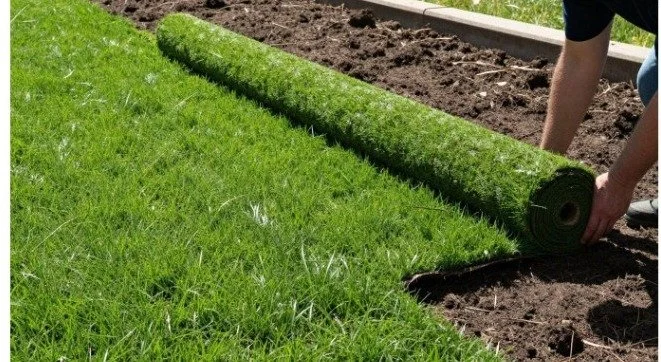
When it comes to laying sod, starting with a staggered pattern is key. Think of it like laying bricks for a walkway. This method helps to avoid long, continuous seams where the sod pieces meet. These seams can become weak spots, making it easier for the sod to dry out or for weeds to creep in. A staggered layout provides better stability and a more uniform look across the entire lawn. It's a simple technique that makes a big difference in the long run for your new sod.
Securing Edges to Prevent Drying
Pay close attention to the edges of your new sod installation. These areas are particularly vulnerable to drying out because they have less soil contact and are more exposed. Make sure the sod is laid right up against any existing borders, like garden beds or walkways. If there are any gaps, fill them with a bit of topsoil before laying the sod. This helps to keep moisture in and prevents the edges from lifting or becoming brown. Proper edge care is a small step that really helps the sod establish well.
Tucking Rolls for a Seamless Finish
Once the sod is laid, the next step is to ensure a tight, seamless finish. This involves gently tucking the edges of the sod rolls together. You don't want any air pockets or gaps between the pieces. Use a knife or a spade to trim any excess sod if needed, and then press down lightly along the seams. This helps the grass roots connect with the soil below and creates a smooth, even surface. A well-tucked sod installation looks great and helps the grass grow together quickly.
Immediate Post-Installation Care for New Sod
Watering New Sod Immediately After Laying
The moment the sod is laid, it needs water. Think of it like a thirsty blanket just placed on the ground. It’s vital to water the new sod right away to help it settle and start connecting with the soil beneath. This initial watering is more than just a quick sprinkle; it needs to be thorough enough to moisten the soil down to a few inches. This helps prevent the edges from drying out too quickly, which is a common problem.
Establishing a Consistent Watering Schedule
After that first big drink, a regular watering routine is key for the next couple of weeks. Aim to water twice a day, once in the morning and again in the late afternoon or early evening. The goal is to keep the soil consistently moist, but not waterlogged. If the ground feels muddy, you’re probably using too much water. Finding that balance is important for healthy root development. This consistent moisture is what helps the sod establish itself properly.
Understanding the Importance of Moisture
New sod relies heavily on moisture to survive and thrive. The roots haven't fully anchored into the soil yet, so they can't draw water from deep down. That's why frequent watering is so important in the initial stages. Without enough water, the sod can dry out, turn brown, and fail to establish. It’s a delicate balance, but getting the watering right is probably the most critical step in ensuring your new lawn takes hold and looks great. Proper moisture management is the backbone of successful sod installation.
Ongoing Lawn Maintenance After Sod Installation
When to Fertilize Your New Lawn
After your new sod has had a chance to settle in, typically around a month after installation, it's time to think about feeding it. Applying a starter fertilizer at this stage helps encourage strong root development. This is key for the long-term health of your lawn. Don't rush this step; give the sod a little time to establish itself first.
Avoiding Over-Fertilization and Burn
It's easy to think more fertilizer means a better lawn, but that's not always true. Too much fertilizer can actually harm your new grass, leading to what's known as "fertilizer burn." This shows up as brown, dead patches. Always follow the product's instructions carefully. A light, even application is usually best for new sod.
Managing Foot Traffic and Pet Use
Your new sod needs time to grow strong roots. For at least two to three weeks after installation, it's best to keep foot traffic to a minimum. This includes pets. Allowing the grass to establish without constant pressure helps prevent damage and encourages deeper root growth. Patience during this initial period is vital for a healthy, lasting lawn.
Limit heavy foot traffic.
Keep pets off the lawn as much as possible.
Avoid placing heavy objects on the new sod.
New sod requires a period of rest to develop a robust root system. This initial care sets the stage for a vibrant and resilient lawn for years to come.
Finding Experienced Sod Installation Professionals

Why Hire a Specialist for Calgary Lawns
When it comes to getting new sod for your yard in Calgary, it's usually best to bring in the pros. These folks know the local soil and weather, which can be pretty tricky. They understand what kind of grass will actually thrive here, not just what looks good on paper. Plus, they have the right tools and know-how to get the job done quickly and correctly, so your new lawn gets the best start possible. Hiring a specialist means you're more likely to end up with a healthy, green lawn that lasts.
What to Look for in a Sod Provider
When you're looking for someone to handle your sod installation, check out their experience, especially with Calgary's specific conditions. A good provider will have a solid track record and be able to show you examples of their work. Ask about the types of sod they use and if they can recommend varieties suited for our climate. It's also smart to find out if they are licensed and insured, which offers a layer of protection for you. Don't be afraid to ask questions about their process and what makes them different from other companies.
Requesting Quotes for Sod Installation in Calgary
Getting quotes is a smart move before you commit to any sod installation service. Make sure each quote you receive is detailed and breaks down all the costs involved, from the sod itself to the labor and any soil preparation needed. Compare at least three different quotes to get a good sense of the going rate. Ask what's included in the price and if there are any potential extra charges. This helps you make an informed decision and avoid surprises down the road. Remember, the cheapest option isn't always the best when it comes to lawn care. For homeowners comparing options for sod installation in Calgary, AB Sodding highlights upfront quotes, soil preparation, sod supply, installation, and aftercare as part of its service approach, which makes it easier to evaluate what is actually included in the price.
Wrapping Up Your Sod Project
So, you're thinking about getting new sod for your Calgary yard. It's a great way to get that green lawn you've been wanting, especially after a long winter. Just remember to pick the right kind of grass for our climate, and don't forget to prep your soil first. Watering right after it's down is super important, and give it a break from foot traffic so the roots can get going. If you're feeling overwhelmed, there are plenty of local pros in Calgary who know their stuff and can help you get it done right. A little planning goes a long way to a beautiful lawn.