What A Sauna Session Can Mean For Your Wellness Routine
Stepping into a heated room offers a peaceful retreat from daily demands. Many individuals turn to warm exposure to unwind after long workdays or intense physical workouts. Sweat sessions provide simple ways to refresh mind and body.
Integrating these habits transforms simple downtime into targeted personal care. Making space for sweat practices helps establish healthy boundaries in demanding weekly routines.
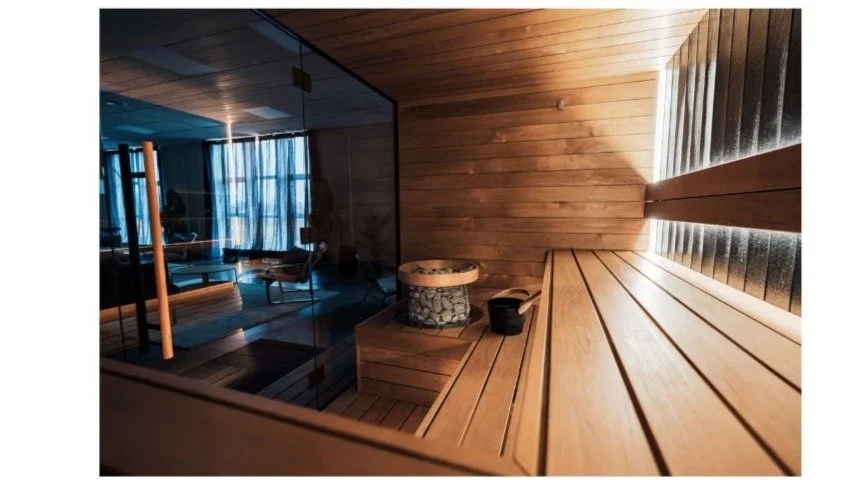
Image source:https://www.pexels.com/photo/modern-nordic-sauna-with-elegant-wood-panels-36420271/
Understanding The Basics Of Thermal Therapy
High temperatures create a unique environment for the body to unwind. Short sessions stimulate natural cooling responses that encourage deep muscular relaxation.
People use different types of heated rooms, including dry saunas, steam rooms, and infrared facilities. Every option offers distinct warmth levels and humidity balances to suit personal preferences.
Selecting the right setup allows individuals to match heat intensity with comfort needs. Gentle temperatures work well for newcomers, whereas higher heat suits experienced users. Spending 10 to 20 minutes inside allows heat to penetrate muscles deeply without causing discomfort.
Gradual exposure allows newcomers to build tolerance at a safe pace. Taking brief breaks in cooler areas helps regulate internal temperatures before returning for a second round.
Finding Great Urban Sweat Spots
Finding an ideal location makes sticking to a wellness habit much easier. Wellness seekers who want to find the top saunas in the NYC Metro can explore various urban wellness hubs across the region. Local facilities offer different features ranging from traditional wood-fired rooms to modern infrared cabins.
Exploring local spots gives city residents convenient access to thermal baths. Having reliable venues nearby simplifies planning weekly health breaks and social recovery sessions. Visiting wellness spaces during off-peak hours offers a quieter environment for peaceful reflection.
Many venues feature relaxation lounges, cold plunge tubs, and tea stations. These extra touches turn quick visits into full restorative experiences. Visitors can easily spend an afternoon moving between warm rooms and quiet lounging areas.
Heart Health Improvements From Heat Exposure
Sitting in elevated temperatures creates direct effects on circulation. Research from Harvard Health indicates that the pulse rate jumps by 30% or more, allowing the heart to nearly double the amount of blood it pumps each minute.
These circulatory shifts help deliver oxygen throughout muscle tissue effectively. Findings published by Stanford Lifestyle Medicine show that vasodilation improves cardiovascular health through increases in blood flow and decreases in blood pressure.
Internal responses mimic moderate exercise without adding heavy physical stress. Regular heat exposure supports blood vessel elasticity and circulatory flow. Maintaining a steady routine helps the body adapt to mild thermal challenges over multiple weeks.
Mental Wellbeing Benefits And Better Sleep
Thermal therapy influences mood and focus alongside physical recovery. A medical review published on PubMed Central reveals that regular sauna sessions reduce symptoms of depression and anxiety, improve sleep quality, boost cognitive function, and may lower long-term risks.
Key mental health gains linked to heat therapy include:
Lower stress levels through quiet relaxation
Sharper mental focus during daily work tasks
Deeper nighttime sleep cycles after evening visits
Sinking into comfortable warmth allows the nervous system to settle down. Reduced tension supports a peaceful mindset before bedtime and encourages restful night sleep. Disconnecting from phone notifications during a session helps quiet a busy mind.
Recovering Muscle Function After Workouts
Athletic individuals frequently rely on warm rooms to soothe sore muscles. Heat increases local tissue temperature, easing stiffness after strenuous exercise.
Alternating between warm rooms and cool showers aids in flushing out metabolic waste. This practice reduces recovery times between intense athletic sessions. Cold water immersion right after heat exposure triggers quick vascular constriction that invigorates tired limbs.
Soothing tight tissues helps prevent injuries during subsequent workouts. Athletes notice improved flexibility and less post-exercise tightness after regular sessions.

Image source:https://unsplash.com/photos/woman-in-white-tank-top-sitting-on-brown-wooden-bench-730OPl8S9W4
Building A Consistent Rest Routine
Creating a steady schedule guarantees long-term benefits. Starting with 1 or 2 visits per week lets the body adapt comfortably without feeling overwhelmed.
Combining heat therapy with proper hydration maximizes total comfort. Sipping water before and after sessions keeps energy levels stable throughout the day. Electrolyte beverages provide extra hydration after sweating profusely during hot sessions.
Pairing visits with light stretching or meditation deepens the relaxation experience. Developing a set sequence turns each visit into a refreshing ritual. Setting aside dedicated blocks on a weekly calendar ensures these rest sessions remain a top priority.
Adding regular heat therapy elevates simple self-care habits into effective health practices. Experiencing physical relaxation and mental clarity makes time spent in hot rooms valuable. Small commitments to regular sessions lead to sustained long-term well-being. Finding quiet moments to unwind strengthens mental resilience and physical comfort.