Understanding Muscle Recovery After a Workout
Subway stairs can feel surprisingly steep the morning after a strength class or a long run along the Hudson. That heavy-legged feeling raises a useful question: Does your body need complete rest, gentle movement, or simply a better night’s sleep? Understanding recovery makes it easier to choose without turning every sore muscle into a project.
Exercise creates a demand that your body must recover from. Muscles use stored fuel, fluid leaves through sweat, and unfamiliar or challenging movements can stress muscle tissue.
Recovery restores your capacity for activity while allowing adaptations to training. Soreness is only one part of that process, not a reliable score for workout quality.
The familiar ache that develops after unfamiliar exercise is called delayed onset muscle soreness. It often becomes noticeable the next day and is commonly strongest within 24 to 72 hours. Lowering movements, such as descending stairs or lowering a dumbbell, can be particularly likely to trigger it when your body is unaccustomed to them.
That soreness isn’t caused by lactic acid lingering in your muscles. It also doesn’t mean a session was especially productive. A familiar workout may leave you barely sore while still supporting progress. Chasing discomfort can make it harder to distinguish an appropriate challenge from more work than you can currently tolerate.
Start with the basics before reaching for a recovery gadget. Sleep supports the body’s repair processes, while food supplies energy and the building blocks needed for adaptation. Regular meals that include protein, carbohydrates, and varied produce are a more useful foundation than trying to compensate for missed meals with a specialized product.
After a demanding workout, a meal might pair eggs with whole-grain toast and fruit, or tofu with rice and vegetables. Protein supports muscle repair; carbohydrates help replenish stored fuel. Most recreational exercisers don’t need to race a stopwatch to eat, though delaying food for hours can make refueling harder to manage.
Hydration deserves the same practical approach. Drink regularly, and pay attention to thirst, heat, and how much you sweat. A short indoor session usually creates different fluid needs from a long summer run. Electrolyte drinks can be useful during prolonged, sweaty exercise, but they’re not automatically necessary after every workout.
Movement can also have a place on an easier day. Active recovery means low-intensity activity rather than another challenging session disguised as rest. A comfortable neighborhood walk, easy cycling, or gentle mobility work may help you feel less stiff. Keep the effort light enough that conversation remains easy and symptoms don’t worsen.
Stretching is optional, not a requirement for preventing next-day soreness. Gentle stretches may feel pleasant and help maintain flexibility, but forcing a painful muscle into a deep position is unlikely to be helpful. Think of mobility work as practicing comfortable movement rather than trying to pull soreness out of the body.
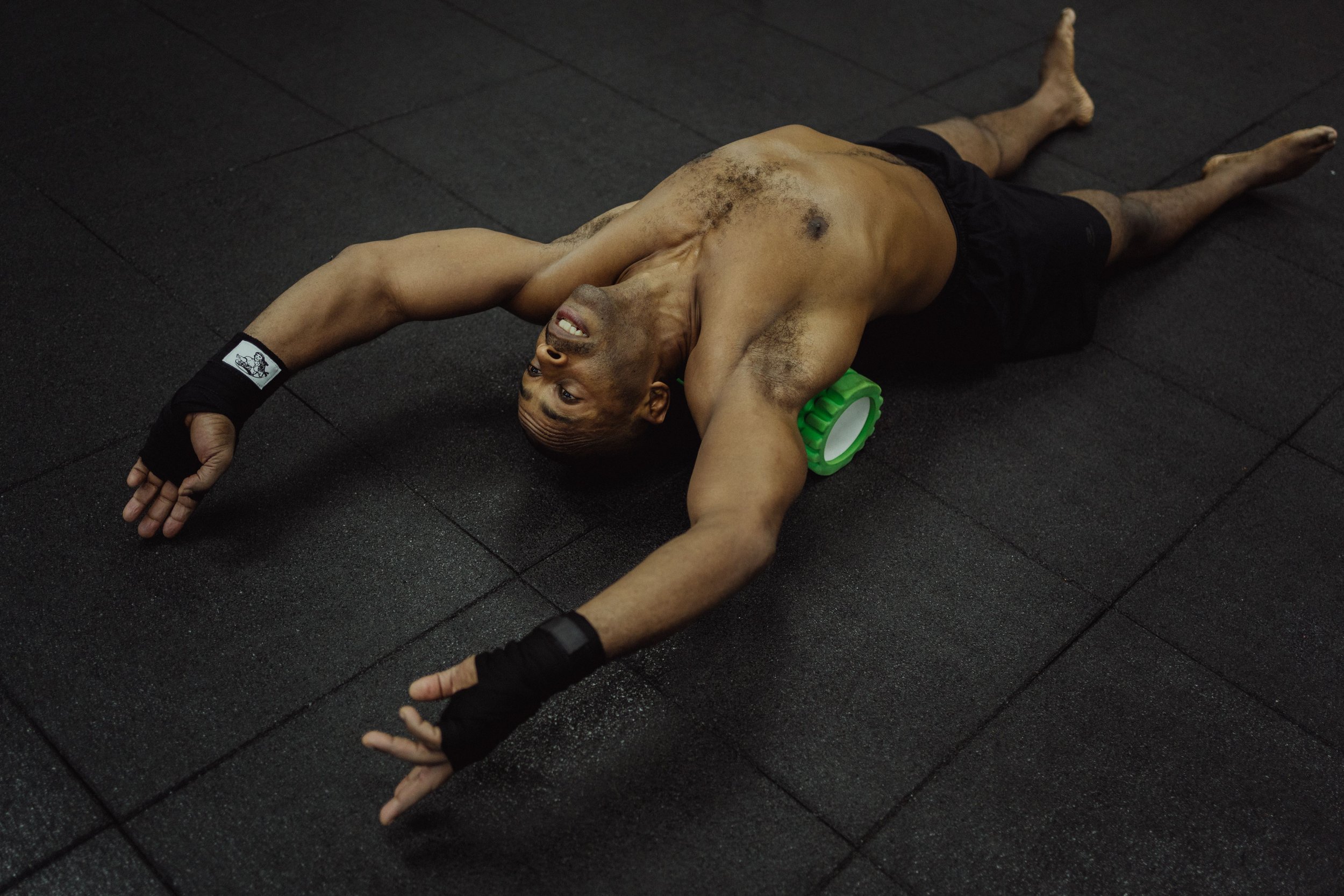
Hands-on tools belong in that same comfort-focused category. Massagers may temporarily ease the feeling of muscle tightness, but they don’t replace sleep, adequate food, or a manageable training load. A device that feels soothing can be useful without being essential, and more pressure doesn’t necessarily produce a better result.
With percussive massage, begin with a low setting and light pressure over muscle rather than bone or joints. Avoid bruised, swollen, injured, or numb areas, and stop if treatment hurts. People taking blood thinners or managing conditions that affect circulation or sensation should ask a clinician whether the device is appropriate.
The training plan itself matters, too. Progressive overload means gradually increasing training demands as your capacity improves. Adding more weight, distance, and intensity at once makes that progression harder to control.
Change one element at a time, and let persistent fatigue or declining performance prompt a lighter session rather than another push.
Before your next class, check how everyday movements feel. Mild, broad muscle tenderness may allow an easier workout; sharp or localized pain, substantial swelling, weakness, or difficulty bearing weight calls for medical assessment.
If stairs still change the way you walk, skip the hard leg session and choose an activity you can perform comfortably.