Turn Your Home Into a Place You Actually Want to Be
We've all had that moment. You walk through your front door after a brutal day, kick off your shoes, and… nothing. No wave of relief. No feeling of escape. Just more of the same.
Your home should feel different from everywhere else. It should be the one place where your shoulders drop and your brain finally quiets down.
But for a lot of us, that's not the reality. Our homes are fine. Functional. Adequate. They keep the rain out and the lights on. Yet something's missing.
Here's what I've learned: comfort isn't accidental. The homes that feel like sanctuaries? Someone made deliberate choices to create that feeling. And those choices aren't as complicated or expensive as you might think.
It comes down to three things: where you sleep, what's under your feet all day, and whether you've got a real way to decompress. Get those right, and everything changes.
Why Your Surroundings Mess With Your Head
Ever notice how your mood shifts depending on where you are? There's actual science behind that.
Our brains are constantly scanning our environment, picking up signals about whether we're safe or under threat. Cluttered spaces, uncomfortable furniture, rooms that are too hot or too cold… all of it registers as low level stress.
You might not consciously notice it. But your body does. Your muscles stay a little tighter. Your mind stays a little busier. You never fully relax.
Flip that around, though, and the effect works in your favor. Soft textures, comfortable temperatures, spaces designed with rest in mind… they tell your nervous system to stand down.
That's why fancy hotels feel so good. Every detail is chosen to signal comfort and care. And honestly? You can recreate a lot of that feeling at home without spending a fortune.
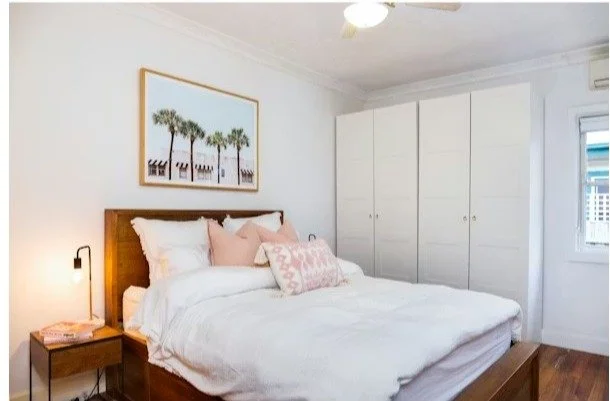
Often, it's the little touches that make the biggest difference to how your home feels while you're in it. There's a vast gulf between having a simple generic clock on the wall and using a Submariner that’s got the exact design you want. Sometimes just adding a bit of greenery or a picture to the wall can give it more of that hotel feeling. You'd be surprised at what a difference it can make.
Sleep: The Thing You're Probably Getting Wrong
Let's start with the bedroom, because this is where most people are unknowingly sabotaging themselves.
You spend roughly a third of your life asleep. Or at least, you're supposed to. Poor sleep affects everything: your mood, your focus, your patience, your waistline. It's the foundation of how you feel.
Yet most of us put more thought into choosing a coffee maker than choosing our bedding.
Temperature is a big one. Your body needs to cool down slightly to fall asleep and stay asleep. When you're too warm, you toss and turn. You wake up sweaty and annoyed. Your sleep cycles get disrupted.
Heavy duvets are the usual culprit. People buy one thick comforter and use it year round, then wonder why they sleep terribly half the year.
The fix is simple: match your bedding to the season. When it's warm, switch to a summer-weight doona made from natural, breathable materials. Wool is fantastic for this. It wicks moisture, regulates temperature, and feels light without leaving you uncovered.
It sounds like a small change. It's not. The difference in sleep quality is dramatic.
Beyond bedding, look at your bedroom with fresh eyes. Is there a TV glowing in the corner? Piles of laundry creating visual clutter? Light sneaking in from the street?
Every distraction chips away at your rest. Remove what doesn't belong. Make the room darker. Keep it cool. Your bedroom has one job. Let it do that job well.

What's Under Your Feet Matters More Than You'd Think
Now let's talk about something you probably haven't considered: your floors.
They're just there, right? You walk on them. You don't really think about them.
But here's the thing. You interact with your floors constantly. Every step you take, every time you stand in the kitchen cooking, every moment your kids spend playing in the living room.
Hard surfaces look sleek. I get the appeal. But they're tough on your body. Your feet, your knees, your back… they all absorb impact with every step on tile or hardwood.
And then there's the cold. Nothing ruins a cozy morning faster than stepping out of bed onto freezing floorboards.
The carpet changes all of that. Good carpet cushions your steps, insulates your rooms, and adds a layer of warmth and softness that hard floors simply can't match.
I'm not saying carpet everywhere. Kitchens and bathrooms need hard, water resistant surfaces. But living rooms? Bedrooms? Family spaces where you actually spend time relaxing?
The carpet makes those rooms feel entirely different. Warmer. Softer. More inviting.
If you're considering new flooring, do your homework first. Learn about Carpet Right for your specific situation. Think about traffic patterns, kids, pets, and how different textures feel underfoot. A good supplier will walk you through the options.
The right flooring is one of those upgrades you'll notice every single day. It literally supports everything else you do at home.
You Need a Real Way to Unwind
Okay, so you're sleeping better and your floors feel great. But there's one more piece to this puzzle.
Modern life is physically brutal in ways we don't always recognize. Sitting at desks all day wrecks our posture. Stress makes us clench our jaws and hunch our shoulders. By evening, most of us are carrying tension we don't even notice anymore.
That tension accumulates. It becomes chronic. It causes headaches, back pain, poor sleep, irritability. The usual.
Massage therapy helps. But realistically, who has time for weekly appointments? Between the scheduling and the driving and the expense, it rarely happens as often as it should.
This is why having something at home makes such a difference. A quality massaging chair puts therapeutic relief within reach whenever you need it.
Fifteen minutes after a rough day. A session while watching TV in the evening. A quick reset during a stressful work-from-home afternoon.
The convenience factor is huge. When relief is available on demand, you actually use it. You stop carrying tension around for weeks at a time. Your body gets regular recovery instead of occasional emergency intervention.
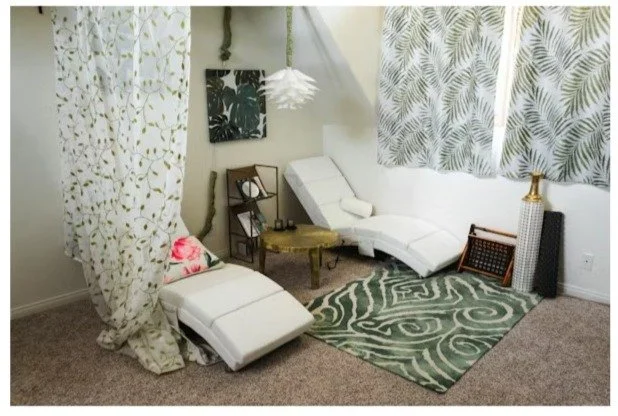
Beyond equipment, think about creating a dedicated space for relaxation. It doesn't have to be an entire room. Even a corner with comfortable seating, soft lighting, and minimal distractions can become your go-to decompression zone.
The key is having somewhere your brain associates purely with rest. Not work. Not chores. Not screens and notifications. Just calm.
Small Changes, Big Impact
Here's what I want you to take away from all this: you don't need a complete home makeover.
Start with whatever bothers you most. Sleeping poorly? Fix your bedding situation. Floors feel cold and hard? Look into carpet for your main living spaces. Carrying constant tension? Find a real way to release it.
One change at a time. Each improvement builds on the last.
Better sleep gives you more energy during the day. Comfortable floors make your waking hours at home more pleasant. Regular relaxation keeps stress from piling up. It all connects.
Making It Happen
Take a walk through your home tonight. Really look at each space.
Where do you feel good? Where do you feel… nothing? Where do you actively avoid spending time because something about it just doesn't work?
Those uncomfortable spots are your starting points. Pick one and fix it. Then move to the next.
Comfort isn't a luxury reserved for fancy hotels and spa retreats. It's something you can build into your daily life, one thoughtful choice at a time.
Your home should be the place where you recover from everything else. It should feel noticeably different from the outside world. Softer. Warmer. Easier.
That feeling is absolutely within reach. You just have to decide it matters enough to do something about it.