5 Top Sustainable Custom Packaging Suppliers: Eco Options Compared
Consumers have raised the bar. In a recent survey, 77 percent said a package’s environmental impact shapes what lands in their cart. Regulators feel the same urgency, pushing rules that will make full recyclability mandatory by 2030. Faced with that twin pressure, beverage brands no longer ask if eco-friendly packaging is possible—they ask which option fits their drink, line, and budget.
We compared dozens of vendors and distilled the field to ten that deliver credible, scalable solutions. Below, you’ll see our scoring method, meet each supplier, and learn how to choose the format that serves both planet and profit.
How we ranked the ten
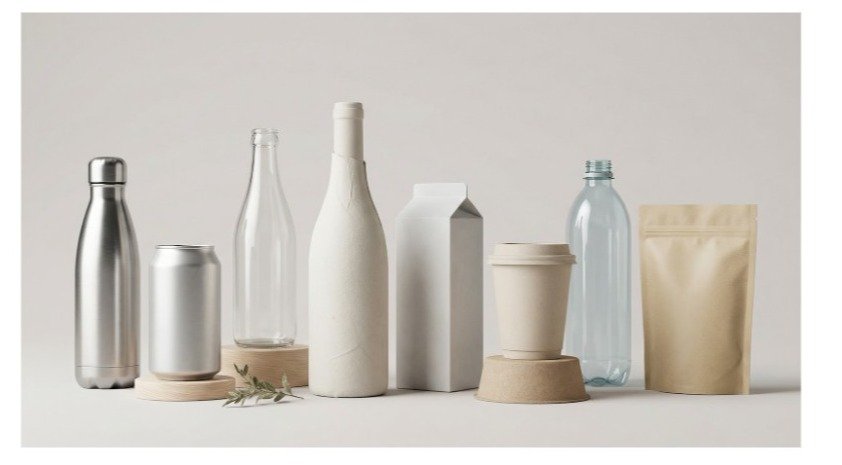
We scored each supplier on five factors that shape real-world packaging decisions:

Sustainability performance (30 percent). Recycled or renewable inputs, third-party certifications, and published data on carbon or waste reduction.
Customization and flexibility (25 percent). Ability to start with a few thousand units and scale to millions, plus design support beyond stock SKUs.
R&D progress (20 percent). Novel materials, pilot programs, or patents that push packaging forward.
Market presence and client impact (15 percent). Documented use by brands at meaningful volumes across multiple regions.
Cost and value (10 percent). Transparent pricing, lighter packs that cut freight, or reuse programs that turn deposits into savings.
We combined those scores into a single index: the higher the total, the higher the ranking. In a tie, the supplier that serves the widest range of beverage formats placed higher.
1. Zenpack: custom creativity, low environmental impact
Think of Zenpack as an end-to-end custom packaging partner where designers, engineers, and supply-chain pros share the same table, so concepts move from strategy to production without delays.

Zenpack custom packaging solutions website screenshot
Paper is the core material, all certified by the Forest Stewardship Council. Projects span corrugated shippers and luxury rigid boxes, and every brief starts with end-of-life planning. Plastics give way to molded fiber, mushroom foam, or water-soluble films whenever the performance spec permits.
Flexibility seals the deal. A craft soda start-up can begin with a few thousand units, refine the dieline after feedback, then scale to hundreds of thousands as sales grow. Global factory partners keep pricing steady and lead times short, while the California hub turns prototypes and color proofs in days.
Storytelling comes baked in. The team’s graphic skills can turn a six-pack carrier into an unboxing moment customers share. That mix of creative flair, verified materials, and order agility earns Zenpack the top spot for brands that want lower impact without sacrificing shelf appeal.
2. Notpla: seaweed film that disappears after use
Plastic sachets can linger in landfills for centuries. Notpla offers a dissolve-in-weeks alternative made from seaweed, a crop that grows without fertilizer, captures carbon, and avoids farmland pressure.
The story began with edible water bubbles handed to marathon runners. Today the same material lines takeaway food boxes and forms flexible film for drink syrups or electrolyte powder. Tear, mix, toss the remnants in a compost heap, and nature finishes the job in roughly four to six weeks—no microplastics, no sorting bins.
Volumes are still modest, yet traction is clear. An Earthshot Prize award brought fresh funding, and pilots with quick-service chains show the coating survives hot curry yet breaks down in garden soil. For beverage brands chasing a zero-waste headline, a limited-run sachet or event activation with Notpla turns sustainability into a tangible experience.
3. Loop: turning take-back into full service
Recycling is good; reuse is even better. Loop, launched by TerraCycle, makes that higher bar simple by handling everything from durable bottle design to doorstep pickup and industrial washing.
Here is how it works for a beverage brand. You fill stainless or heavyweight glass containers built to survive 100-plus trips. Shoppers pay a small deposit at checkout, enjoy the drink, then drop empties into a Loop bin at home or a partner retailer. Loop collects, sanitizes, and returns the containers ready for another fill.
The brand keeps packaging in circulation, cuts single-use waste, and displays a concrete circular-economy story on pack. Early pilots with global soda makers and boutique kombucha brewers report return rates above 80 percent when bins and reminders are easy to find.
Choose Loop if you sell in closed environments such as festivals, campuses, or e-commerce subscriptions, where getting the container back is realistic and the reputational upside is significant.
4. Vegware: compostable cups that close the food loop
Coffee shops love grab-and-go convenience; landfills do not. Vegware bridges the gap with cups, lids, and straws made from plant starch, bagasse, and responsibly sourced paper. Send them to a commercial composter and they break down into nutrient-rich soil within about 8 to 12 weeks.
The company delivers more than products. Its environmental team maps local compost facilities, supplies branded collection bins, and trains staff so the right waste reaches the right truck. That service lift drives diversion rates far above casual “compostable” claims.
For beverage brands, switching to Vegware is nearly plug-and-play. Case quantities stay low, custom prints turn quickly, and pricing lands close to conventional plastic. If your drinks move through cafés, festivals, or corporate cafeterias where food-waste pickup is already in place, Vegware offers an instant sustainability win customers can see, sip, and feel good about.
5. Frugalpac: paper bottles that cut wine’s carbon load
Glass gives wine its romance but can account for up to 40 percent of the category’s footprint. Frugalpac changes that with the Frugal Bottle, made from 94 percent recycled paperboard wrapped around a thin, recyclable food-grade liner.
Each bottle weighs just 80 g, about one-fifth the weight of glass, and can cut life-cycle carbon by up to 84 percent. Printing goes straight on the paper shell, so brands skip separate labels and gain 360-degree artwork.
Momentum is real. More than 25 wineries and spirit brands across 15 countries now ship in Frugal Bottles, and the company sells assembly units so producers can build bottles on site, trimming freight even further.
If your drink will not age for decades and you want a headline-worthy carbon cut, Frugalpac offers the fastest leap yet.
Material match-ups: picking the right format
Every drink behaves differently, so the “greenest” container shifts with carbonation, shelf life, and brand vibe. Start with weight. A glass wine bottle tips the scale at about 400 g, while Frugalpac’s paper bottle glides in at 80 g and claims an 84 percent carbon saving over glass. Lighter packs mean fewer trucks and lower fuel use even before recycling comes into play.
Recyclability is the next lens. Aluminum excels here. Roughly 75 percent of all aluminum ever produced is still in use, cycling from can to can in as little as 60 days. Cartons rely on certified fiber and ship flat, trimming transport emissions, but they need specialized recycling streams. Compostables break down quickly—ideal for café cups—yet only if a compost bin is nearby.
Match these traits to your beverage. Fizzy products need the gas barrier of aluminum or glass. Shelf-stable juice thrives in a lightweight carton. A ready-to-drink cocktail for festivals could stand out in a paper bottle that sparks conversation. There is no single winner, only the format that balances carbon, performance, and disposal where your customers live.
Buyer’s checklist: seven questions before you sign
Does the package fit your filling line today, or will changeover costs bite?
What is the realistic minimum order, and can the supplier ramp fast if demand spikes?
Which certifications back the sustainability claim—FSC, BPI, ASI, or science-based carbon targets?
Where will the empty pack end up? Map recycling, composting, or take-back routes your customers can actually use.
How much weight and breakage can you shave off freight bills by switching formats?
Can the supplier provide life-cycle data you can print or post to prove impact?
Will the pack elevate brand story through design, texture, or a distinctive consumer ritual?
Conclusion
Sustainable beverage packaging has moved past one-size-fits-all claims. The leaders in this list prove that impact comes from systems thinking—materials, manufacturing, logistics, and end-of-life all working together.
Paper-forward innovators like Zenpack and Frugalpac cut weight and unlock storytelling. Global players such as Smurfit WestRock, Tetra Pak, Ball, Amcor, and Ardagh bring scale, infrastructure, and regulatory confidence. New-model disruptors like Notpla and Loop challenge the idea that packaging must be disposable at all. Vegware closes the loop where food waste collection already exists.
The right choice depends on what you’re shipping, where it travels, and how customers dispose of it. Carbonated drinks demand airtight barriers. Shelf-stable beverages reward lightweight cartons. Events and cafés favor compostables or reuse. No format wins everywhere—but the best suppliers help you make those trade-offs visible, measurable, and credible.
As 2030 recyclability mandates approach and consumers continue to vote with their wallets, brands that invest early in fit-for-purpose sustainable packaging won’t just comply—they’ll differentiate. The question is no longer whether to switch, but which system moves your beverage, your margins, and your sustainability goals forward together.
Frequently Asked Questions (FAQ)
What is the most sustainable beverage packaging overall?
There is no single “most sustainable” option. Aluminum leads in recyclability, paper-based solutions reduce weight and transport emissions, compostables work best in controlled environments, and reuse systems deliver the lowest waste when return rates are high. Sustainability depends on context—product type, distribution, and disposal access.
Is sustainable packaging always more expensive?
Not necessarily. While unit costs can be higher, lighter materials reduce freight, breakage, and storage costs. Reuse systems can turn packaging into an asset, and mono-material designs often lower long-term compliance and redesign expenses.
What certifications should beverage brands look for?
Common and credible certifications include FSC (paper and fiber), ASI (aluminum), BPI or TÜV (compostables), and science-based carbon targets. Third-party verification matters more than self-reported claims.
Can small or emerging brands access custom sustainable packaging?
Yes. Several suppliers on this list—especially Zenpack, Vegware, and Notpla—support lower minimum orders and pilot runs. Many brands start small, validate performance and consumer response, then scale production as demand grows.
How do recyclability and compostability differ in practice?
Recyclable packaging must reach the correct recycling stream, which varies by region. Compostable packaging only delivers benefits when industrial or commercial composting is available. Without the right infrastructure, even “green” materials can end up in landfill.
Are paper bottles and cartons suitable for all beverages?
They work best for still, non-aging drinks such as wine, juice, or ready-to-drink cocktails. Highly carbonated beverages and long-term aging products still require glass or aluminum for performance and safety.
What role does design play in sustainable packaging?
Design affects material use, shipping efficiency, consumer perception, and disposal behavior. Smart design can reduce weight, eliminate unnecessary components, and turn sustainability into a visible brand asset rather than a fine-print claim.