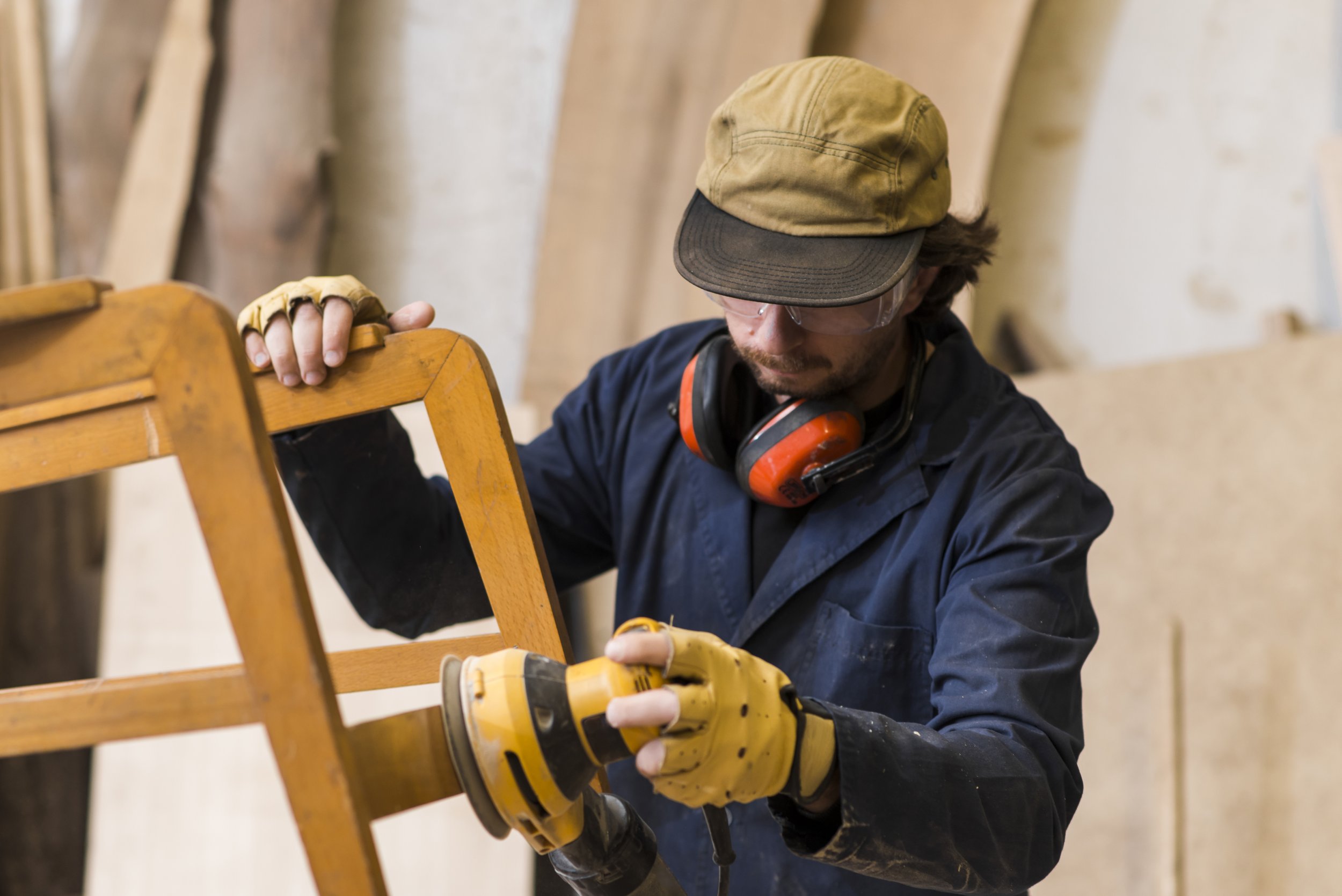
Top 8 Features To Look For In An Air Powered Sander
Poor sanding results usually come from the wrong tool setup.
Your sander might be slowing you down if you are bothered by swirl marks, the sander plugs up easily, or your hands get tired after an hour of sanding. As a result, those issues impact the final finish quality and increase correction time.
A properly chosen air-powered sander increases your productivity and delivers better finishing results. Better airflow creates smoother sanding performance, while strong dust extraction helps keep surfaces cleaner throughout the process. In addition, lightweight construction reduces strain during long sanding projects.
This guide covers the top eight features you should look for before choosing an air-powered sander for woodworking, cabinet refinishing, and professional surface preparation.
1. Ergonomic Grip Support
When sanding for extended periods, comfort is important. When the sander is not balanced, it puts more strain on your wrist and forearm. Over time, that strain affects control and finish quality. As a result, an uneven sanding pattern may also be noticed during detailed finish work.
The machine should feel balanced and stable in the hands when used as an air powered sander. In addition, lightweight composite bodies and recessed throttle controls enhance handling during extended use. With improved ergonomics, sanding is smoother when using the tool on flat surfaces or intricate work.
Minimizing vibrations can also contribute to long-term comfort. Additionally, prolonged vibration exposure from hand-operated tools may contribute to upper limb discomfort and muscle fatigue in industrial environments.
2. Dust Extraction Systems
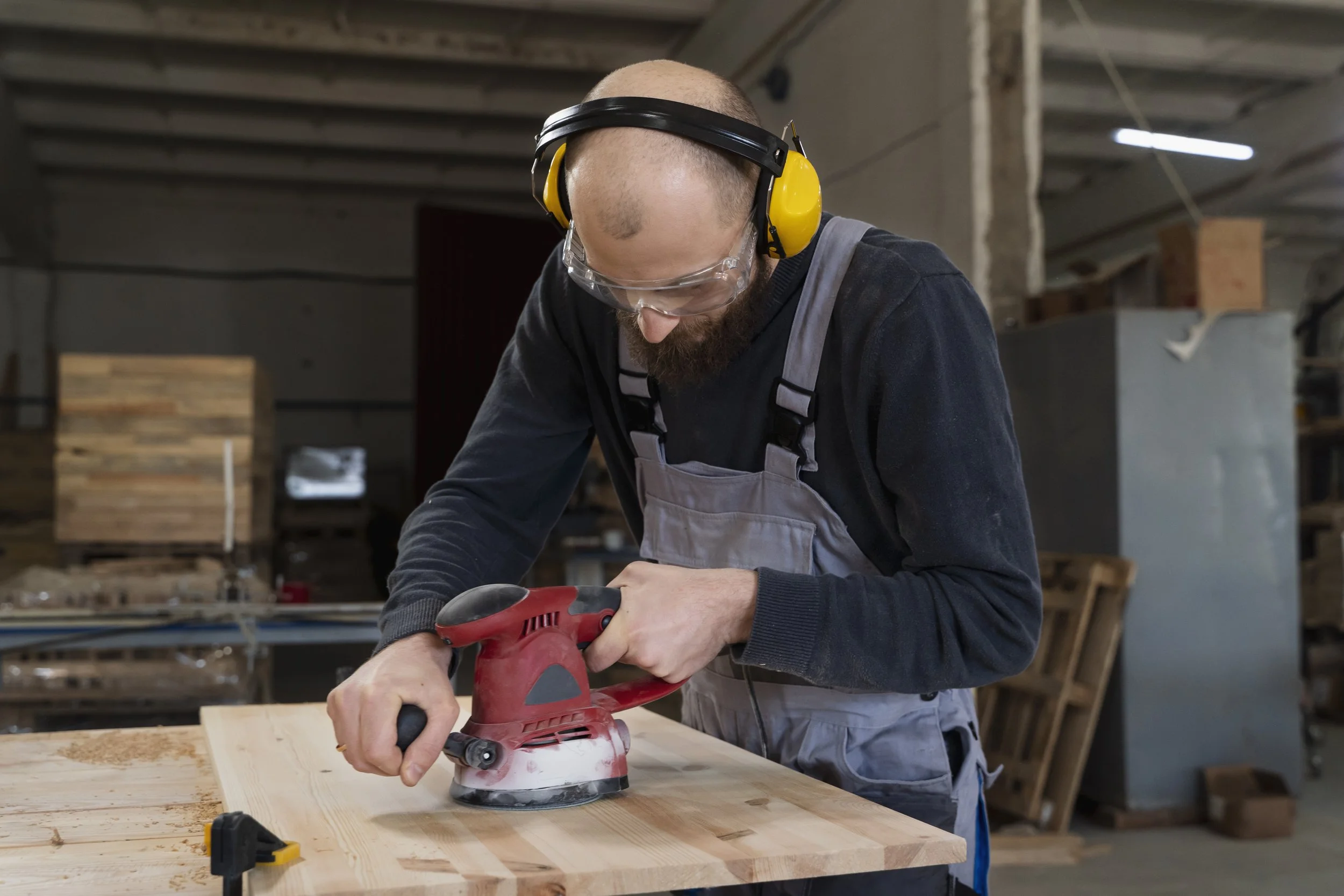
Dust control has an impact on the final finish. During sanding, fine particles lay back on the surface and form imperfections under painting or staining. In addition, dust buildup also reduces abrasive performance over time.
The ideal air-powered sander should be easily convertible to a vacuum dust collection system or should be equipped with an integrated vacuum system. Furthermore, multiple-hole sanding pads can help to remove debris from the surface and function to allow the abrasive to cut more efficiently. As a result, a smoother sanding surface leads to smoother finishes.
Dust extraction also contributes to the health of the work environment. Long-term industrial dust exposure is connected with respiratory concerns in professional work environments.
Therefore, dust collection is a way of keeping the air cleaner while sanding.
3. Orbit Size Flexibility
Orbit size changes how aggressively your sander removes material. Larger orbit patterns work well for fast stock removal and coating removal. Smaller orbit patterns create finer finishes with fewer visible swirl marks.
If you handle multiple project types, orbit flexibility becomes extremely useful. A 3/16-inch orbit helps speed up prep sanding, while a 3/32-inch orbit creates smoother finish-ready surfaces. Different orbit sizes improve sanding versatility across woodworking and refinishing projects.
Stable RPM output also improves sanding consistency. Smooth orbital motion creates more uniform scratch patterns across large surfaces. That consistency helps reduce correction work later in the finishing process.
4. Compact Low-Profile Design

Large sanding tools struggle in tight areas. Drawer fronts, cabinet frames, trim edges, and routed details require more precision and maneuverability. Oversized sanders often force you to rely on extra hand sanding.
A compact low-profile air powered sander improves access to confined spaces without reducing control. Slim body designs help you maintain accurate sanding pressure around corners and detailed profiles. Better visibility also improves sanding accuracy.
Pad shape matters as well. Rectangular pads work well on narrow surfaces and edges, while round pads perform better on broad panels and curved sections. The right pad setup improves efficiency across different sanding applications.
5. Stable Airflow Performance
Your pneumatic sander depends entirely on airflow consistency. Weak airflow creates unstable RPM levels and uneven sanding pressure. That inconsistency affects both finish quality and sanding speed. As a result, it can also lead to inconsistent surface preparation across larger work areas.
A professional-grade air powered sander should maintain stable airflow under load. Consistent air delivery improves sanding motion while helping you create smoother scratch patterns. Better airflow management also reduces internal heat buildup during extended use.
Noise control is another benefit of advanced airflow systems. Modern pneumatic sanders with optimized exhaust designs often operate more quietly than older models. Lower operating noise improves comfort during long workdays.
6. Lightweight Composite Construction

Heavy sanding tools create unnecessary fatigue during repetitive work. If you regularly sand vertical surfaces or large panels, excess weight becomes difficult to manage after several hours. Hand fatigue often reduces sanding precision. In some cases, it may also slow down overall workflow efficiency.
Lightweight composite construction improves maneuverability without sacrificing durability. Composite housings reduce stress on your wrist, elbow, and shoulder while helping you maintain smoother movement across surfaces. Better balance also improves control during detail sanding.
Even small weight reductions make a noticeable difference during full-day sanding projects. A lighter air powered sander allows you to work more comfortably while maintaining consistent sanding pressure from start to finish.
7. Durable Motor Components
Professional sanding environments place constant stress on pneumatic motors. Dust, vibration, moisture, and continuous operation can wear down lower-quality internal assemblies quickly. Durability matters just as much as sanding speed.
You should look for hardened steel cylinders, reinforced end plates, and high-quality bearing systems. Strong internal components improve long-term reliability while helping your air powered sander maintain consistent performance over time.
Durable motor systems also reduce downtime. Reliable internal construction helps prevent interruptions caused by premature wear or unstable operation. Long-lasting components improve productivity and reduce replacement costs.
8. Abrasive System Compatibility
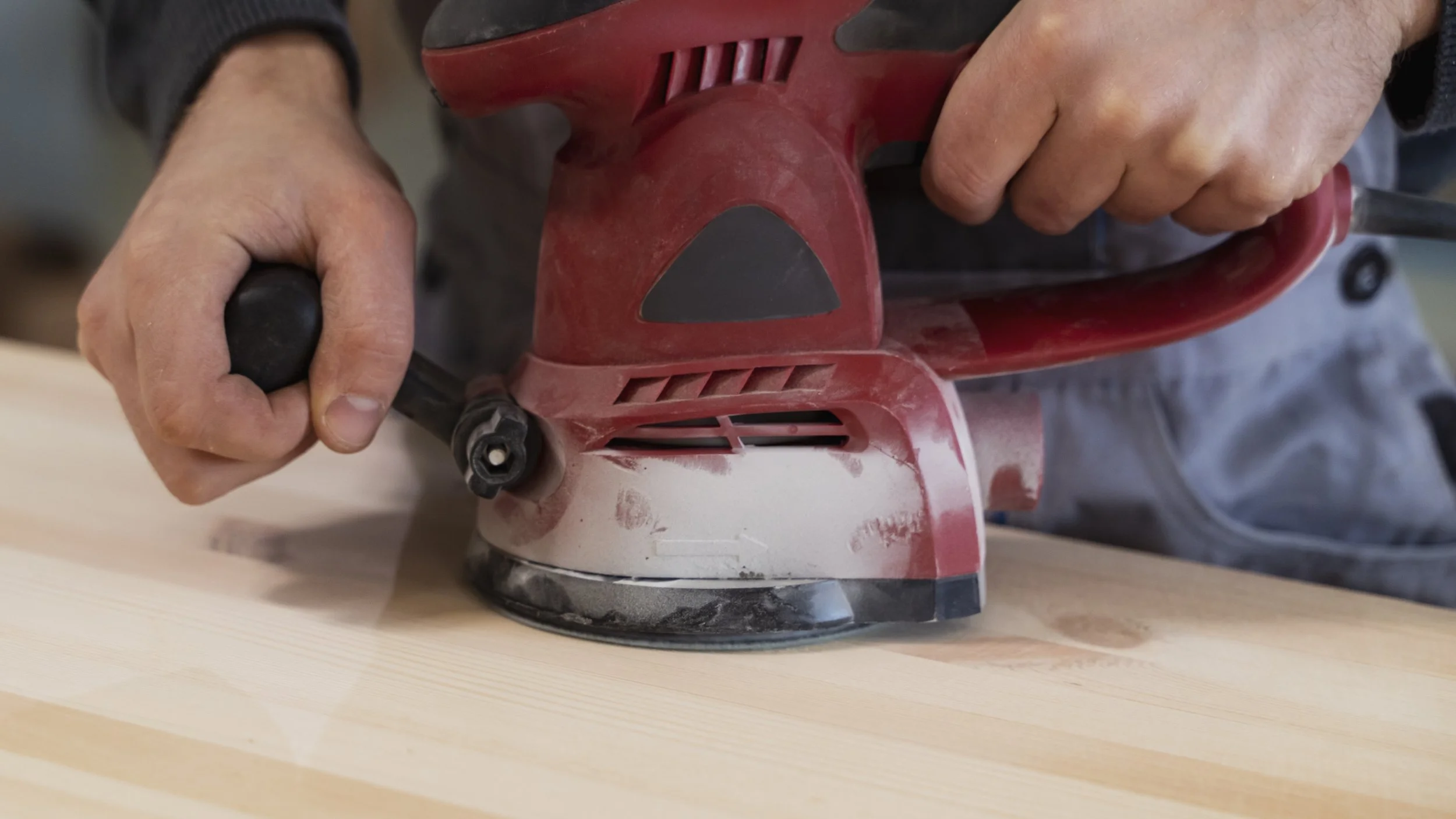
Your sanding results depend heavily on abrasive performance. Different materials require different sanding approaches. Wood, primer, paint, filler, and composite surfaces all respond differently during sanding. As a result, selecting the correct abrasive directly influences both finish quality and efficiency.
A versatile air powered sander should support multiple abrasive systems, including foam abrasives, ceramic abrasives, sanding discs, and specialty finishing materials. Flexible abrasive compatibility allows you to switch between aggressive prep work and fine finish sanding more efficiently.
Fast abrasive replacement systems also improve productivity. Hook-and-loop attachment designs make grit changes quicker while maintaining secure pad contact during operation. Efficient abrasive systems help you maintain better workflow consistency.
Conclusion
Choosing the right air powered sander involves more than comparing price or speed ratings. Features like ergonomic grip support, dust extraction, stable airflow, orbit flexibility, and durable motor construction directly affect your finish quality and daily productivity. The right setup helps you work faster while reducing fatigue.
Before buying your next pneumatic sander, focus on real-world performance instead of marketing claims. Prioritize comfort, airflow consistency, low-profile access, and abrasive flexibility first. Those features will help you achieve cleaner finishes and more consistent results across every project.