The Smart Driver's Guide to Recovering Financially After a Car Accident
A car accident hits harder than the crash itself.
The bumper's bent, the insurance company's on the phone and bills are coming at you from everywhere. Most drivers never plan for this moment - that's why they pay so much more than necessary.
Here's the truth:
Financial recovery after an accident is a step-by-step process. Done right, it can:
Keep insurance premiums low
Prevent overpaying for repairs
Save a bank account from a serious hit
The great thing is, you don't have to know anything about cars or insurance to do this.
Here's what's inside:
The Real Cost of a Car Accident
Handling Your Insurance Claim Like A Pro
Rust Spot Repair - The Silent Wallet Killer
Fixing Minor Damage Fast
Rebuilding Your Emergency Fund
The Real Cost of a Car Accident
Most drivers wildly underestimate what an accident really costs.
According to the NHTSA, motor vehicle crashes cost $1.4 trillion in 2024. That total includes repairs, medical costs, lost income wages and time from work. The average driver pays the majority of this price tag.
Then there's the insurance side...
At-fault accidents raise premiums by around 46% on average. That financial setback can last years, not weeks. Even a "small" increase can bleed your bank account dry over time.
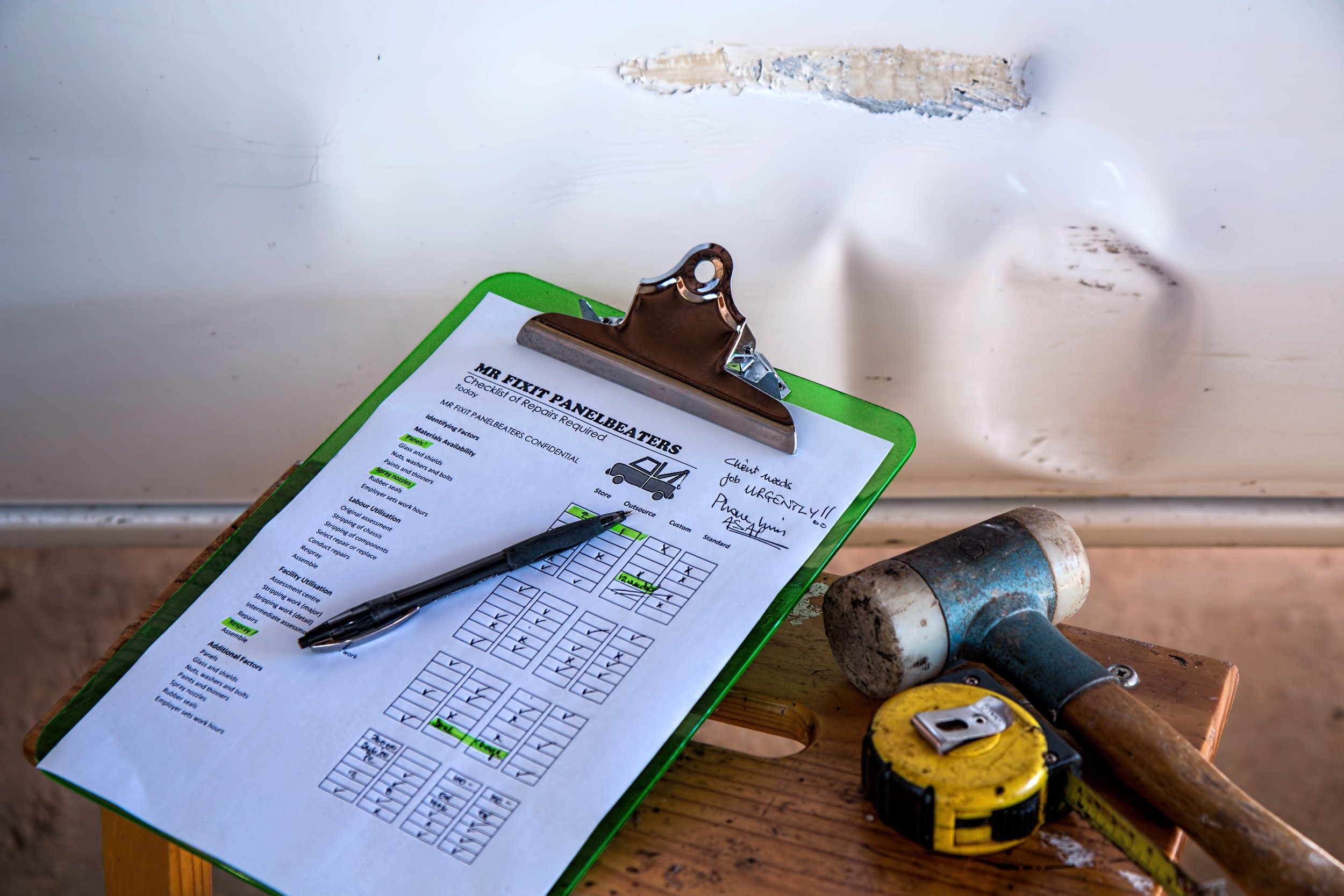
Paint/cosmetic damage is an area that sneaks up on most drivers. Minor scratches incurred during a fender bender can become rust spots on your bumper or door panel. Professional car paint repair is one of the wisest preventative measures a driver can take early on. It prevents small paint chips and rust spots from spreading through the metal. That means a cheap repair now doesn't become a full panel replacement.
That's why your financial recovery begins before you ever call a body shop. Knowing where your dollars are leaking:
Repairs - bumpers, panels, and paint
Medical - even small injuries trigger big bills
Insurance - higher premiums for years
Depreciation - a repaired car is worth less at resale
Once you know where the leaks are, you can plug them.
Handling Your Insurance Claim Like A Pro
Filing an insurance claim is where most drivers make their biggest mistakes.
Record details at the scene. Photograph damage from various angles. Get a picture of the other car's license plate. Get contact information for witnesses. All of this will come in handy when answering questions from the claims adjuster.
Don't take the first settlement offer. Insurance companies want to pay you as little as possible. The initial offer is rarely their best offer. Get a second opinion from an independent body shop, prior to signing anything.
Learn the policy backwards and forwards. Many policyholders pay for insurance they don't need. Study the policy and determine what you DO need covered. Include rentals, towing, glass, paint jobs, etc.
FYI... The CCC just released a report showing 14% of drivers are uninsured. Getting into an accident with someone who can't cover damages is a serious possibility, so uninsured motorist coverage is just as important as collision coverage.
Tip: Comprehensive insurance typically covers minor cosmetic damage such as scratches and rust from occurring after a minor accident. Check your policy before writing that check.
Rust Spot Repair - The Silent Wallet Killer
Have you ever wondered why those little orange marks show up on a car after someone rear ends them?
Ooh, that's rust. Rust spot repair is often one of the most neglected aspects of post-accident restoration.
Fact: Rust moves. It consumes paint, then primer, then metal. A quarter sized spot can devour an entire panel in two years time. By then you aren't fixing rust spots, you're replacing panels.
The good news: Rust spot repair is cheap when caught early.
Here's how to stay ahead of it:
Inspect the car weekly, especially after a minor bump
Look for orange or brown marks on scratches, chips, or dents
Address rust spots within days, not weeks
Keep touch-up paint that matches the car's colour on hand
If you have heavier rust or larger areas, take it to a professional. They will sand the area down, rust proof it with converter, prime and paint it so that it will look flawless.
Fixing Minor Damage Fast
This is where drivers lose the most money without realising it.
Small dings, scratches and rust spots don't seem like a big deal. Ignore them and they lead to costly body work. That little scratch might cost $50 to repair today. Let it sit for six months. Now you have rust, corrosion and a bill for hundreds of dollars.
Cosmetic damage matters because:
It affects resale value
It leads to rust and structural damage
It gets more expensive the longer it's ignored
It's like going to the dentist. Spend a little money on a filling now instead of paying for a root canal next year. Same principle goes for paint, dents and rust. Take care of it now and save yourself thousands down the road.
Minor repairs can help maintain your larger investment. Your car is one of your household's most valuable purchases - don't let it rust away piece by piece.
Rebuilding Your Emergency Fund
The final piece of financial recovery is the one nobody wants to talk about.
When all is said and done, it's time to rebuild the emergency fund. After all, it's not a matter of IF the next accident will happen, but WHEN.
A solid post-accident financial recovery plan should include:
A dedicated car fund - aim for at least $2,000 for future repairs
Higher deductibles - if affordable, raising the deductible lowers monthly premiums
Yearly policy review - needs change, and so should coverage
Regular vehicle maintenance - small services today prevent big bills tomorrow
AAA released a study recently that found the average cost of car ownership is approximately $12,297 per year. That may seem like a lot but when you plan for it ahead of time it's not that bad.
Bringing It All Together
Winning financially from a car accident isn't chance. It's strategy.
To recap what smart drivers do:
Understand the true cost of the accident
File the claim properly and never accept the first offer
Stay on top of rust spot repair to protect paint and metal
Fix minor damage before it becomes big damage
Rebuild the emergency fund so the next hit isn't a knockout
Drivers who recover the quickest see their car as an investment, instead of an expense. Little decisions now save you thousands down the road.
An accident is overwhelming. However, if you handle it correctly, you can fully recover financially.