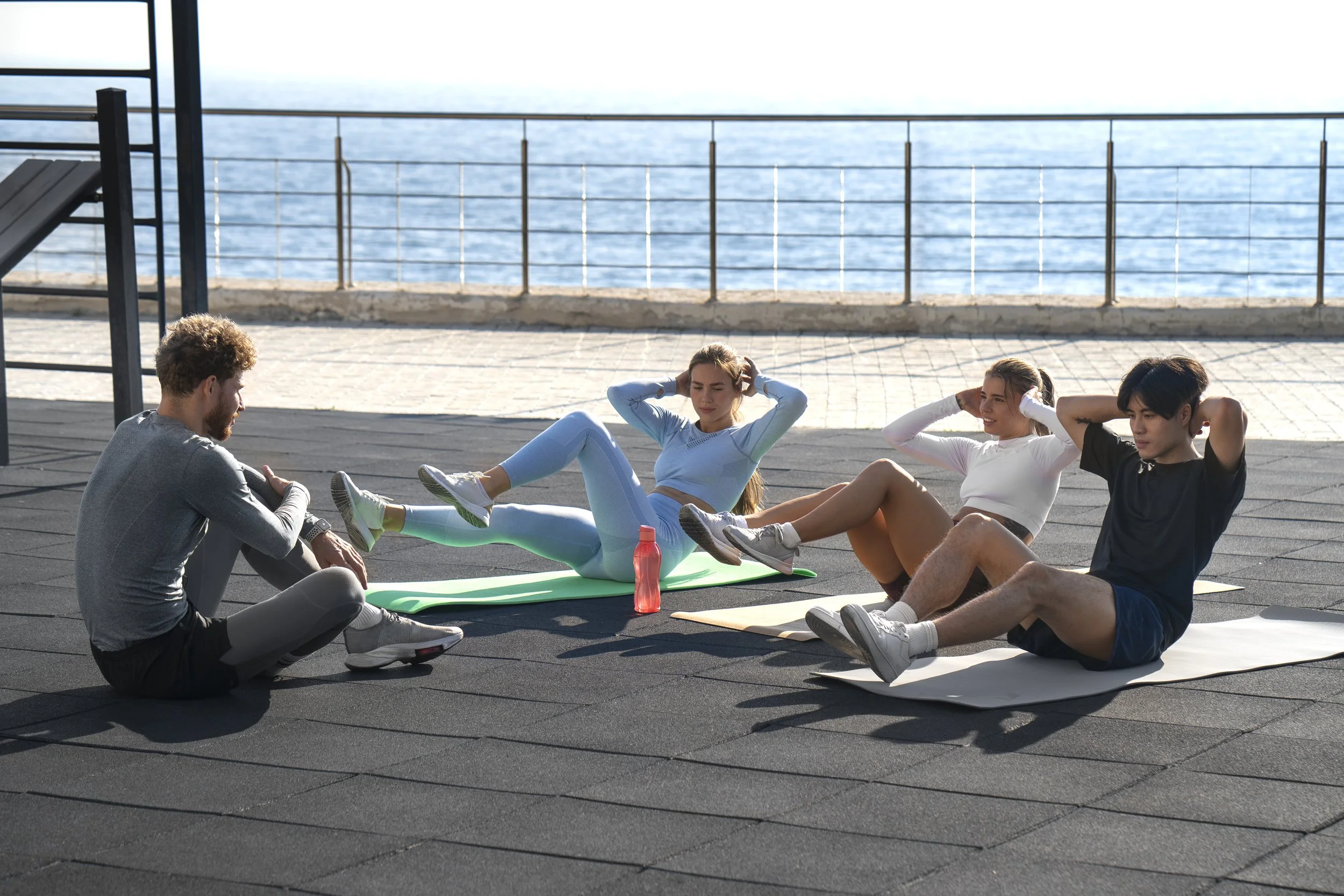
The Rise of Alternative Wellness Spaces in Urban Neighborhoods
Wellness is often linked to nature: quiet forests, open parks, or peaceful mountain getaways make for the perfect environments for relaxation, introspection, and reflection. But for people living in the city, accessing wellness is now easier than ever, thanks to the growth of new, creative spaces right in their own neighborhoods. These places make it possible to relax, connect, move, and explore well-being without ever leaving the city.
This isn’t just about yoga mats and green juice: these new wellness oases are shifting urban culture, influencing neighborhood foot traffic, and reshaping what wellness means for city life. Let’s understand more below.
How Alternative Wellness Spaces are Changing Urban Life
The old model of solo workouts and anonymous fitness classes is giving way to something more connected. Today, wellness-focused design is becoming central to luxury projects and urban planning alike. Urban areas are implementing experiences that promote not just physical health, but emotional balance, learning, and a sense of belonging. The result? Wellness spaces now double as creative hubs, classrooms, networking zones, and sanctuaries from everyday stress.
What you may find when stepping into these venues include:
Meditation lounges with herbal tea ceremonies or guided full-moon circles
Sound bath studios hosting community workshops and music nights
Plant medicine and herbal apothecaries blending wellness products with educational events
Boutique gyms offering everything from sensory deprivation tanks to art therapy pop-ups
Neighborhood “wellness halls” that combine movement studios, cafes, galleries, and rooftop gardens
What makes these spaces so centric to urban living is their ability to blur the line between health, culture, and community gathering. Plus, they do so while supporting independent local business!
Culture, Education, and the New Urban Wellness Model
Unlike traditional wellness venues that focus primarily on exercise or spa treatments, newer wellness-focused spaces are investing in ongoing education and immersive experiences.
In many cities, these spaces hire expert practitioners and host workshops that break down wellness trends. They do so by making ancient healing accessible and new research understandable for everyday people. Whether you’re curious about adaptogens, guided journaling, or urban herbal gardening, chances are a nearby venue is offering a class this weekend.
Some new experiences and wellness activities you may be able to now try include:
Sauna collectives and cold plunge studios
Urban nature centers with forest bathing walks, native plant talks, and eco-therapy offerings
Holistic pop-up events. Instead of using up commercial spaces, these events rotate through vacant lots or rooftop gardens, supporting local artists and optimizing urban space usage.
Dedicated spaces for prayer and quiet reflection that incorporate everything from guided meditation, alternative rituals, and multicultural traditions. For example, interested people can visit Mother Earth Mushroom to explore educational workshops and gatherings.
Community makerspaces or art lounges where creative projects, music, or crafting become avenues for mindfulness and relaxation
Economic and Cultural Impact
The impact of these spaces is visible at the street level. Block-by-block, they’re inviting new foot traffic, fostering connections among different communities, and revitalizing retail corridors that have fallen quiet and out of date with new energy. This can create an avalanche effect: small businesses nearby often benefit, as people linger for smoothies, browse local crafts, or visit neighborhood farmer’s markets after a meditation class. In some neighborhoods, wellness centers even act as launching pads for social initiatives, hosting mental health support groups or donation-based classes to boost accessibility for all.
Investing in urban wellness spaces isn’t just good for the community, it’s also financially smart. The global wellness economy grew by 7.9% from 2023 to 2024, reaching $6.8 trillion and doubling in size since 2013. With more people valuing wellness centers, meditation venues, and nature-inspired retreats, these spaces attract steady visitors and boost local businesses. City planners are starting to see wellness not just as a trend but as a viable investment that keeps neighborhoods vibrant and residents healthier for the long term.
A New Urban Ecosystem for Wellness
Urban wellness spaces are changing how city people find support, connection, and better health. By mixing learning, art, traditions, and even bits of nature, these venues give everyone a new way to feel good, and right in their own neighborhood!
If you’re a resident, urban planner, or construction manager looking for new trends, now is the time to watch how wellness spaces are shaping cities. Dive into Off the Mrkt’s archives for real stories, neighborhood guides, and the latest ideas making urban living healthier and more connected.