The Real Estate Checklist: When to Replace Your Roof
Selling a home involves a long list of preparation steps and structural choices. Potential buyers scrutinize every corner of a property, meaning the condition of your overhead shelter can change the direction of a deal. Understanding when to invest in a complete roof replacement can save thousands during negotiations.
Evaluating Your Home Before Listing
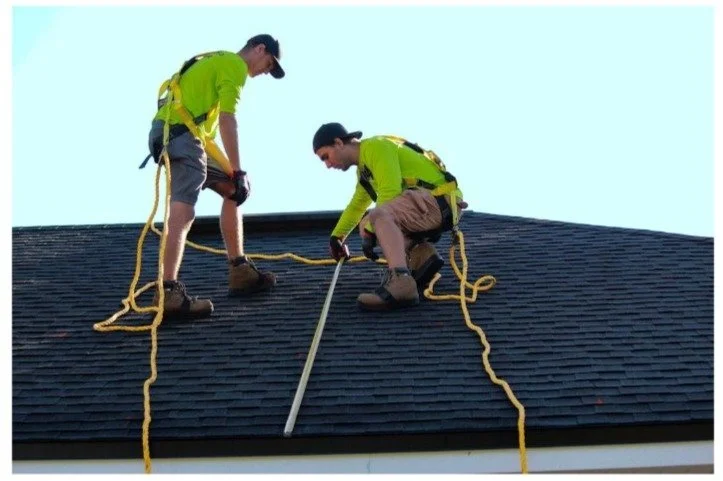
If you are preparing your property for the market, look at every major feature from the foundation to the peak. Working with experienced local roofers can provide clarity on whether a full replacement is necessary before putting up a for-sale sign. Sellers may ignore the upper structure until an inspector climbs up there.
Catching minor wear early prevents unexpected friction during negotiations with buyers. Property owners who address structural matters upfront position themselves for a smoother transaction. A solid exterior sets a positive tone for the rest of the property tour. People appreciate knowing they will not have to coordinate major repairs right after moving in.
Financial Returns From Pre-Listing Capital Improvements
Many sellers hesitate to spend thousands on renovations right before moving out. Putting a new top on a house before listing can net a return on investment of up to 60%. Market trends indicate that clean, updated homes fetch much stronger numbers.
Recouping a major portion of the construction cost makes the upfront expense much easier to swallow. Higher offers from multiple parties can easily offset the initial cash layout. Think of it as protecting the final sales price from steep discounts.
Renovations feel intimidating owing to the coordination required. Finding skilled contractors simplifies the entire process and keeps timelines on track. The final reward shows up clearly in your bank account after closing.
The Impact Of Roof Age On Potential Buyers
Age impacts how individuals perceive the longevity of a house. The asphalt shingle setups last 20 to 25 years, but structures exceeding 15 years frequently discourage potential buyers. Upgrading ahead of time removes a major objection from the table.
People prefer avoiding massive capital expenses immediately after purchasing a new property. An aging asset signals future out-of-pocket costs that buyers want to skip. A fresh installation provides a strong selling point that justifies your asking price.
Real Estate Transactions Truncated By Structural Issues
Entering the escrow phase feels like a victory, but deals can disintegrate quickly. National home inspection data from 2025 placed roof problems among the top 3 reasons contracts fail during escrow. Buyers back out when a major component requires immediate attention.
Lenders may refuse to finance properties that possess compromised overhead structures. Situations create massive delays and kill momentum for both parties in the deal. Investing in a sound structure keeps the transaction moving toward a successful close.
Accelerating Your Closing Timeline With Aesthetic Upgrades
First impressions dictate how long a listing remains active on local databases. Over 80% of surveyed agents state that a new roof heavily upgrades curb appeal and accelerates closing times. Clean lines and fresh materials make a property stand out instantly. Sellers can focus on several specific areas to improve exterior aesthetics:
Clearing debris from gutters and walkways
Trimming overhanging tree branches near the house
Adding modern exterior lighting fixtures
A crisp exterior makes the entire property look well-maintained from the street. Buyers assume that a seller who cares for the top deck took excellent care of the interior rooms. A clean appearance creates a strong emotional connection right away.
Identifying Subtle Damage Before Appraisals Take Place
Appraisers look past fresh paint and staging to evaluate the core systems of a house. Warning signs like curling shingles, missing granules, and attic water stains indicate failure, reducing appraisal values by 10%. Unaddressed defects can diminish the final valuation of a residence.
A steep drop in a modern home price represents a massive loss of wealth. Sellers might find themselves forced to lower their asking price or pay for sudden repairs out of pocket. Spotting these issues early protects your hard-earned equity.
Urgent Conditions Requiring Complete Structural Overhauls
Certain structural failures leave zero room for compromise or negotiation. A prominent design journal highlighted that active leaks and sagging decks represent severe red flags requiring immediate replacement before a transaction can proceed. Ignoring these signs can bring catastrophic damage to the underlying frame.
Ignoring severe problems can lead to mold development and massive wood rot throughout the attic space. Buyers will walk away from a house that threatens their safety or immediate finances. Addressing structural emergencies guarantees the house remains viable.
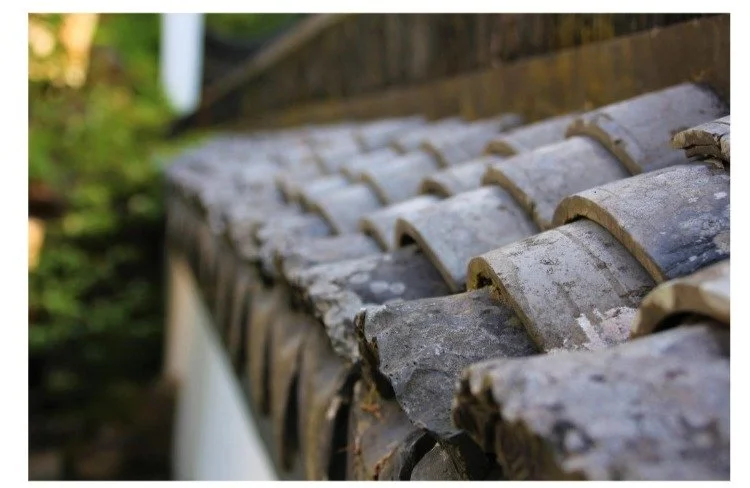
Taking care of structural issues before listing a property provides leverage during negotiations. A solid upper structure protects the equity of a home and attracts serious buyers quickly. Property owners can walk into the closing process with confidence, knowing their investment stands secure. Making smart choices with your property deck sets the stage for a seamless transition to your next destination.