The One Month’s Rent Mistake NYC Renters Keep Making
Every year, thousands of New Yorkers hand their landlord the keys and walk away from money they could have kept. The average security deposit in New York City now equals one full month of rent. In Manhattan, that means about $4,500. In Queens, it is close to $3,000. And the number one reason landlords keep part of that money? Cleaning. The team at Green Hands Cleaning Services Corp in East Elmhurst sees this story play out every single week. The good news is that losing your deposit is almost always avoidable. You just need to know what landlords actually look at, and what the law says they can and cannot do.
The Numbers Behind NYC’s Deposit Problem
New York City has more than 2.3 million rental units. The city’s 2023 Housing and Vacancy Survey found the rental vacancy rate at just 1.4 percent. That is the lowest number since 1968. When apartments are this hard to find, landlords can be picky. They can also be strict about the condition of a unit when a tenant leaves.
National surveys back this up. Studies of renters across the country show that roughly one in four tenants loses part or all of their deposit. Cleaning charges top the list of deductions, ahead of wall damage and unpaid rent. In a city where the median asking rent passed $3,500, that is real money walking out the door.
Here is the part most renters do not know. New York’s Housing Stability and Tenant Protection Act of 2019 changed the rules. Landlords must return your deposit within 14 days of move out. If they keep any of it, they must give you an itemized list explaining why. If they miss that deadline, they may forfeit the right to keep any of it. Many tenants never ask for that list. Landlords count on that.
What Landlords Actually Check
After years of doing move out jobs across Queens, Brooklyn, and Manhattan, we can tell you the inspection is not random. Landlords and building managers look at the same spots every time:
Inside the oven. This is the number one deduction we see. NYC ovens work hard, and baked-on grease takes real effort to remove.
Inside the refrigerator. Sticky shelves and door seals get flagged fast.
Bathroom grout and tile. Hard water in NYC leaves mineral buildup that a quick wipe will not fix.
Baseboards and radiator covers. Steam radiators in prewar buildings collect a thick layer of dust that most people never touch.
Window sills and tracks. Street-facing units, especially near busy roads like Astoria Boulevard or Queens Boulevard, collect black soot. Researchers who study urban air have measured higher levels of black carbon dust in homes near heavy traffic. Your landlord sees that gray film even if you stopped noticing it months ago.
None of these items count as normal wear and tear. That legal term covers things like faded paint or worn carpet from everyday living. Grease and grime do not qualify, so landlords can charge for them.
Why This Hits Queens Renters Hard
Queens is the most diverse county in the United States, with residents from more than 120 countries. It is also full of renters on the move. Neighborhoods like Astoria, Jackson Heights, Long Island City, and Elmhurst see constant turnover as people upgrade, downsize, or relocate for work.
Most of that movement happens between May and September. Moving companies report that about 60 percent of all annual moves happen in those warm months. That creates a squeeze. Renters are packing, working, and hunting for their next place all at once. Cleaning gets pushed to the last day, done badly, or skipped. Then the deduction letter arrives.
Prewar buildings add another layer. Much of the housing in Jackson Heights, Sunnyside, and Woodside was built before 1940. These older units have details that trap dirt, like picture rails, cast iron radiators, and original wood floors. They are beautiful. They are also unforgiving during an inspection.
The Simple Math That Surprises People
Here is the comparison that changes minds. A professional move out cleaning for a typical one bedroom in NYC usually costs between $150 and $300. A withheld deposit in that same apartment can run $3,000 or more. Even a partial deduction of $500 for cleaning charges costs more than hiring a pro would have.
Landlords also tend to bill cleaning at premium rates when they arrange it themselves. They hire a service after you leave, then pass the cost to you, sometimes with a markup. Doing it before you hand over the keys puts you in control of the price. You can see what a full move out service covers at https://www.greenhandscleaningservices.com/move-out-cleaning if you want to compare it against doing the work yourself.
A Deposit Protection Plan That Works
You do not need to be a cleaning expert to protect your money. Follow these steps:
Take photos when you move in. Date-stamped pictures of every room give you proof of the original condition. Do the same on your way out.
Read your lease. Some NYC leases list specific move out cleaning requirements. Know them before your last week.
Request a walkthrough. New York law gives tenants the right to ask for an inspection before move out. The landlord must tell you what needs fixing, which gives you a chance to correct it.
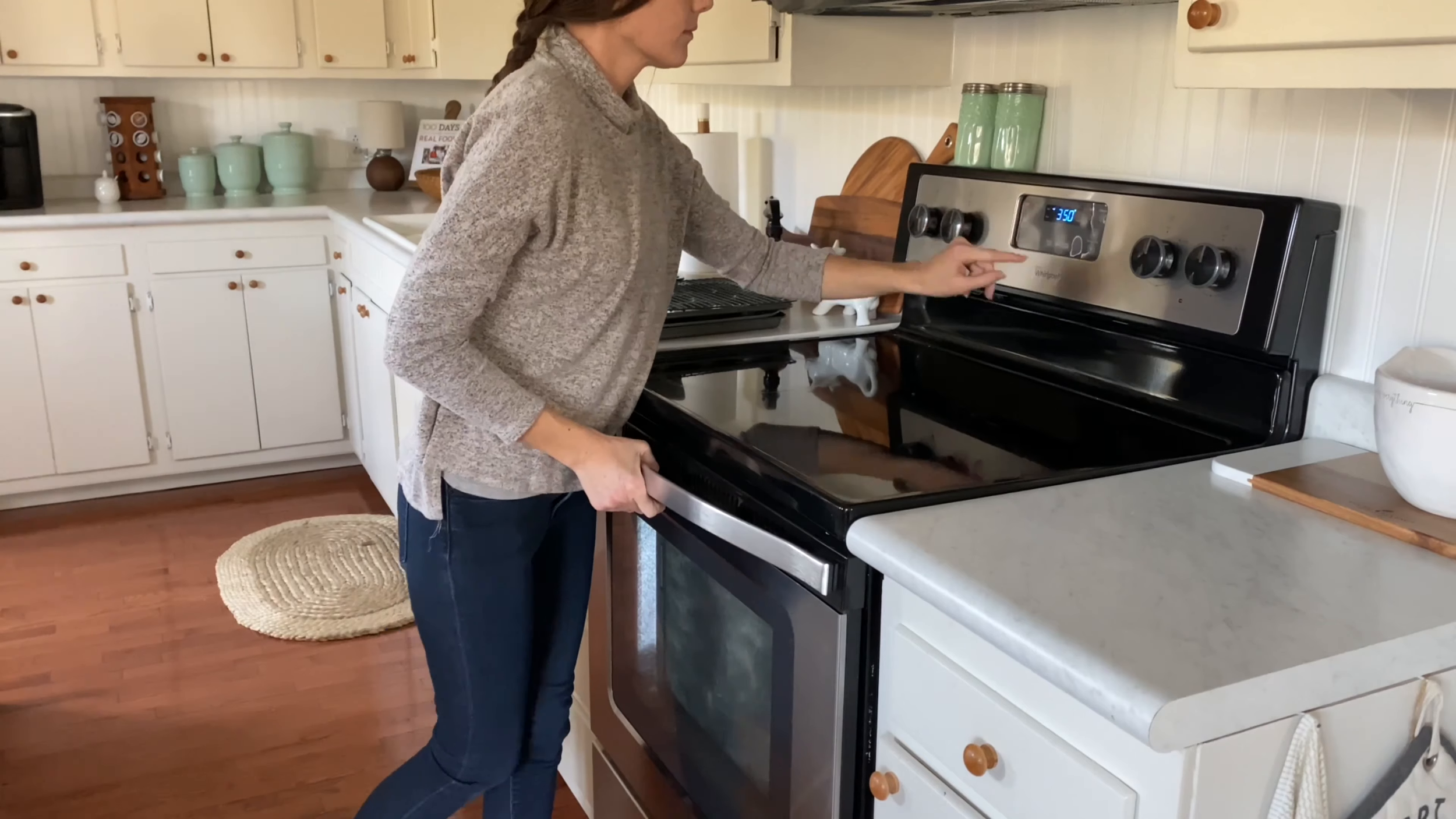
Start with the kitchen. The oven and fridge take the longest and cause the most deductions. Do not save them for last.
Get everything in writing. After you leave, ask for your itemized statement. Mark your calendar for the 14 day deadline.
For apartments that have gone a year or more without a serious scrub, a standard surface clean will not pass inspection. That is when a full deep cleaning service makes the difference, since it covers the inside of appliances, baseboards, grout, and all the spots inspectors target.
A Note for Landlords and Hosts
This works both ways. If you own or manage a unit, a spotless apartment rents faster in this market. Real estate agents across the city report that clean, fresh-smelling units get stronger first impressions at showings and fewer requests for concessions. With NYC vacancy this tight, every showing day counts. Turning a unit over quickly between tenants means less lost rent, and a documented professional cleaning also protects you if a deposit dispute ever ends up in housing court.
The Bottom Line
Your security deposit is your money. New York law is on your side, but only if the apartment passes inspection and you follow the deadlines. A few hours of focused work, or a few hundred dollars for professional help, protects thousands. In a city this expensive, that is one of the easiest wins available to any renter.