The Luxury Guide to Seasonal Wardrobe Storage
Owning a high-end wardrobe is a significant investment that requires more than just a spacious closet. When the seasons shift, the way you store your designer pieces determines if they stay in pristine condition for years. Improper methods can lead to permanent damage like fabric yellowing, shape loss, or pest infestations. Luxury garments often feature delicate natural fibers that react to their environment in ways cheaper synthetics do not.
Preparation and Cleaning Protocols
Before any item enters long-term storage, it must be professionally cleaned. Invisible oils from skin, perfume, or deodorant can oxidize over time and create stubborn yellow stains. Even a single wear can leave behind organic matter that attracts moths and other pests. Most luxury experts suggest a gentle dry cleaning or specialized hand wash, depending on the care label.
One industry report mentioned that the global market for clothing and footwear repair reached $5.8 billion in 2025. This shows a growing trend in maintaining and fixing high-value items rather than replacing them. Inspecting your clothes for loose threads or missing buttons before storing them ensures they are ready to wear next season. Taking the time to perform these minor repairs now prevents small issues from becoming major defects later.
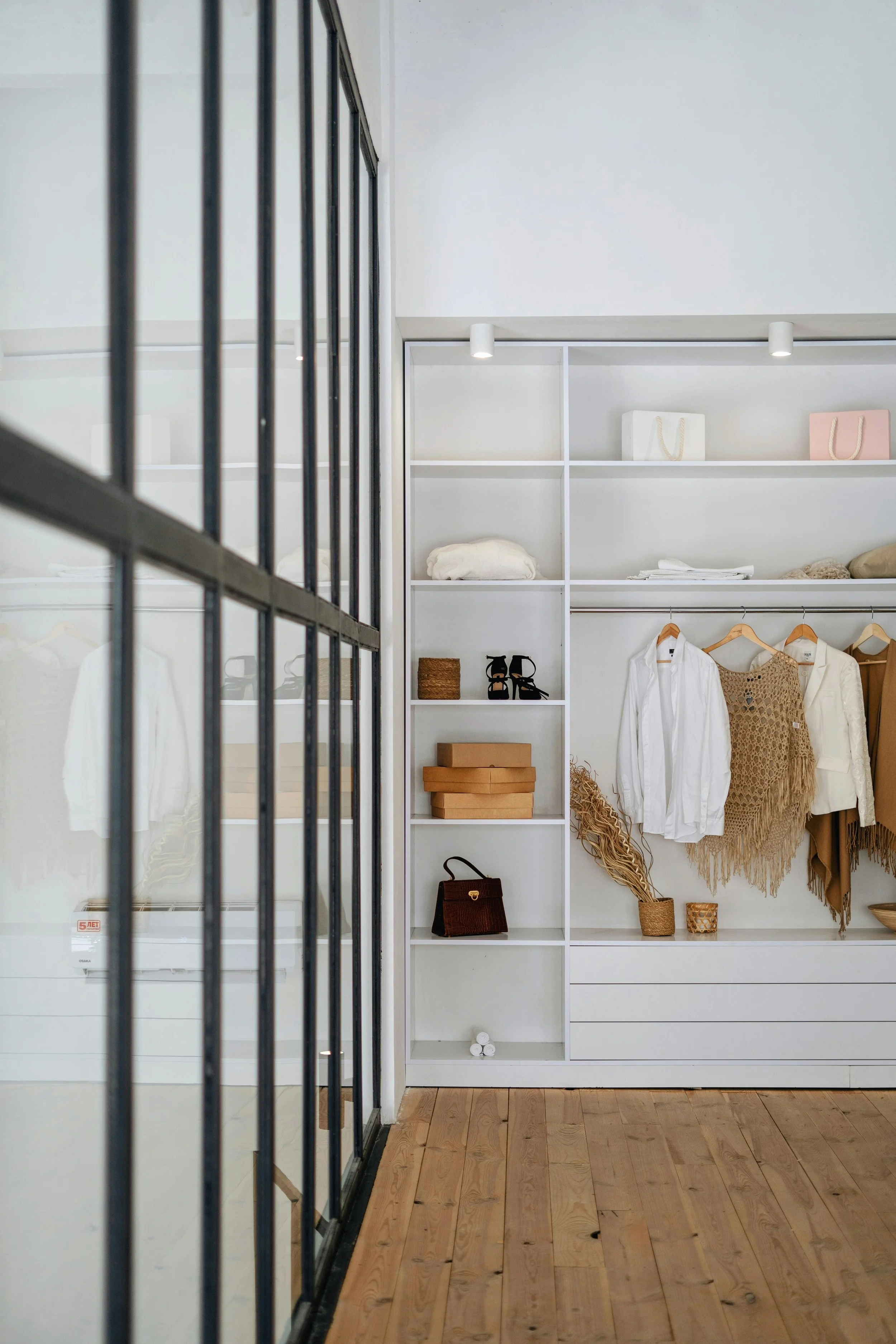
The transition from a summer wardrobe to winter layers involves careful planning and the right supplies. Moving items into a dedicated space helps clear room for your current rotation and protects off-season pieces. Using an Underwood storage facility provides a secure and controlled environment for these valuable assets. Finding a space that offers professional-grade protection is a smart move for any serious collector.
Material-Specific Storage Techniques
Natural fibers like silk, wool, and cashmere require room to breathe. Some experts suggest you avoid plastic storage bins and vacuum-sealed bags for long-term use. These airtight environments can trap moisture and lead to mildew or fiber degradation. Instead, choose breathable cotton garment bags or acid-free tissue paper for wrapping delicate items.
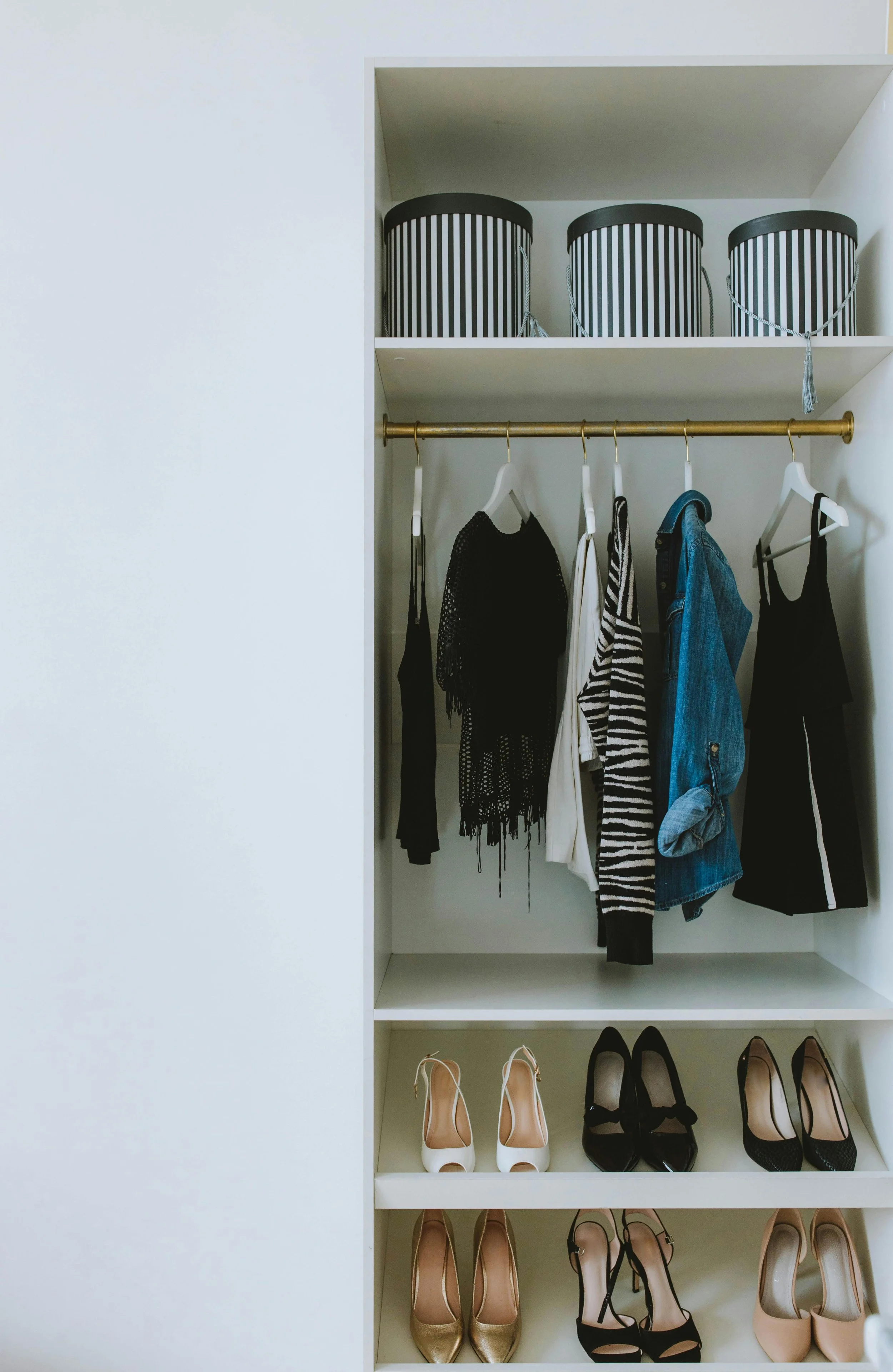
For your most organized spaces, try a color-coordinated approach. A helpful guide noted that arranging items in a sequence from white to cream, then pink and red, creates an aesthetic and functional closet. This logic applies to your storage units as well. Grouping items by color or type makes it much easier to find specific pieces when the weather changes again.
Managing Environmental Factors
The biggest threats to luxury fabrics are heat and humidity. Excess moisture causes mold, while dry air can make fibers like wool or silk brittle. Aim for a relative humidity level between 50% and 55% to keep fabrics healthy. Many collectors use desiccant packs or professional climate control to maintain these specific levels.
Temperature stability is another major factor in preserving leather and fur. A recent article pointed out that climate-controlled storage units stay between 55 and 80 degrees. This range protects sensitive materials from the expansion and contraction caused by extreme weather. Keeping your collection in a stable environment prevents leather from cracking and glues from failing in your designer footwear.
Luxury Handbag and Accessory Care
Designer bags require a different set of rules compared to clothing. Leather needs to retain its natural oils to stay supple and vibrant. According to one leather specialist, the ideal humidity for leather goods is between 45% and 60%. If the air is too dry, the leather will lose its luster and eventually crack.
Structure is also a primary concern for high-end accessories.
Stuff bags with acid-free tissue or bubble wrap to maintain their original silhouette.
Never hang leather bags by their straps, as this stretches the material.
Place bags in their original dust covers rather than plastic bags.
Store bags upright on shelves rather than stacking them on top of each other.
Hardware protection is another detail that many people overlook. A guide for luxury owners suggested wrapping chains and metal hardware in soft tissue or felt. This prevents the metal from leaving imprints or scratches on the leather surfaces during months of storage. Small steps like this ensure the bag looks brand new when you pull it out for the next season.
The Growth of the Resale Market
The way people view luxury fashion is changing toward a more circular economy. Many owners store their items well because they plan to sell them later. Data from the State of Fashion 2026 report shows that secondhand sales will grow 2 to 3 times faster than first-hand sales. Maintaining the "like-new" condition of your items maximizes their resale value.
Consumer habits are shifting toward sustainability and long-term ownership. A survey showed that 71% of consumers in developed markets prefer brands with repair programs. Proper storage is the first step in this lifecycle. By protecting your garments today, you are contributing to a more sustainable fashion future while protecting your financial investment.
Maintaining a luxury wardrobe is a commitment to quality and craftsmanship. By following these storage steps, you ensure your favorite pieces remain a part of your style for many years. Taking care of what you own is the ultimate expression of luxury. Your future self will thank you when the seasons change, and your wardrobe is ready for the runway.