
The Future of Interior Landscaping in High-Density Urban Environments
If you haven’t heard of biophilic design, your pulse on the commercial real estate scene is, um, a bit lacking.
It’s a thing.
And it’s not going anywhere.
With that said, biophilic design is moving past the implied and indirect to feature more live landscaping in commercial interiors.
Indoor trees. Interior walking greens. Living walls.
More than just natural aesthetics, interior greenery is a multi-faceted asset that modern structures are hustling to incorporate. Keep reading as we explore interior landscaping from all angles!
Interior Greenery as a Strategic Asset
Interior greenery has evolved past the quaint visuals of a biophilic accent. It is now a full-fledged architectural asset for bustling commercial spaces. Among the unique benefits offered by interior greenery include:
Tenant attraction - commercial real estate is all about occupancy. Incorporating green, biophilic elements is a major draw.
Productivity - the American Psychological Association notes improved attention and reduced stress as benefits of working amid nature.
Cleaner air - indoor plants can absorb carbon dioxide and VOCs.
Acoustic comfort - interior greenery is a top option for creating tranquil spaces. The growing medium is wonderful for absorbing sound energy, while the variable surfaces of stems and leaves diffuse sound waves of all lengths for reduced echo.
Brand differentiation - gone are the days of the cookie-cutter commercial interior. The one-of-a-kind branding that interior flora brings to a building cannot be understated.
Don’t dismiss the aesthetic appeal of indoor landscaping. Just remember that it carries a broad spectrum of benefits that make it a tangible financial asset for the structure.
Ways to Incorporate Interior Greenery into Urban Architecture

Although the multi-faceted benefits of interior greenery are clear, it can be a challenge for designers to incorporate architecturally significant interior plant systems into the “concrete jungle.” Here are some ideas for seamless integration:
Vertical garden - makes use of vertical space in crowded urban environments by growing plants on a vertical surface (wall or freestanding structure) in buildings where floor space is limited.
Modular living system - a prefabricated plant-growing system. It consists of repeatable, self-containted units (modules) that connect together to form a larger living installation.
Smart irrigation - an automated, sensor-driven watering system that delivers precise amounts of water and nutrients to plants based on real-time conditions. This optimizes plant health. It also limits waste and reduces the risk of interior leakage and unnecessary humidity.
Low-foot print moss walls - this innovative moss wall uses stabilized moss to infuse the space with natural greenery without the need for direct sunlight or irrigation.
When executed correctly, these living landscaping features can blend seamlessly with manufactured interior design elements.
Drivers of Interior Landscaping Adoption
Tenant demand tops the list of interior landscape adoption. As mentioned, commercial real estate is all about keeping occupancy high. If consumers want it, then make it happen.
With that said, there are other economic/governmental drivers helping kick the interior landscaping trend into overdrive. These include:
LEED priorities - interior landscaping can help commercial buildings check multiple boxes toward LEED certification, such as indoor environmental quality (IEQ) and sustainable sites (SS).
ESG reporting - a visible, high-impact strategy for helping the building on its environmental, social, and governance (ESG) reporting.
Maintenance automation - operational risk. Cost uncertainty. Management complexity. Each of these adoption barriers are reduced via innovative maintenance automation.
Drought-tolerant plants - hardier plants that can thrive on reduced water and occupant handling are lowering the risks of interior greenery installations.
Improved lightweight installation methods - reduces the risk of complex (and costly) structural alterations that may be required for heavy living walls.
As technology in both architecture and horticulture continue to evolve, expect adoption of interior landscaping systems to continue to increase.
Considerations When Implementing Interior Landscaping
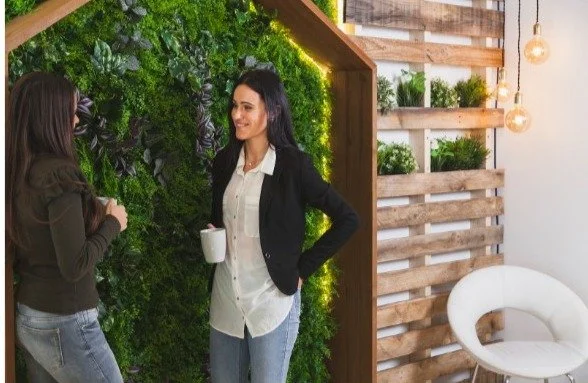
The benefits far outweigh the drawbacks when it comes to interior landscaping. However, it would be remiss to overlook some of the most pertinent considerations/challenges when implementing interior greenery:
Budget - the upfront cost of interior landscaping will likely be higher than standard interior design elements.
Ongoing upkeep - despite improvements in automation, skilled contractors and horticulturists need to work together for complex challenges.
Pests - some types of plants will attract pests if not properly managed, erasing many of the stress-reducing benefits living greenery elicit.
Compliance - interior vegetation may put plumbing under increased stress. Leaks can threaten structural integrity. Plant overgrowth may impact emergency egress and ADA access zones.
Remember: all types of interior design come with their own set of concerns. Be proactive when ensuring that interior greenery challenges are kept under control.
Biophilic Living in Populous Urban Architecture
Modern urban structures are leveraging interior greenery for its diverse array of benefits. Consider the opportunities and challenges listed above to help make your interior landscape integration as seamless as possible. For more of the latest trends in the NYC real estate scene, explore the content at Off the MRKT for ideas and inspiration today!