The Art of Culinary Creativity and Recipe Development
Culinary creativity is far more than simply following a recipe or combining ingredients. It's an intricate dance between intuition, knowledge, and innovation, transforming raw components into experiences that delight and surprise. Unlike traditional cooking, which often prioritizes faithful execution of established dishes, culinary creativity seeks to push boundaries, reinterpret classics, and invent entirely new sensory journeys.
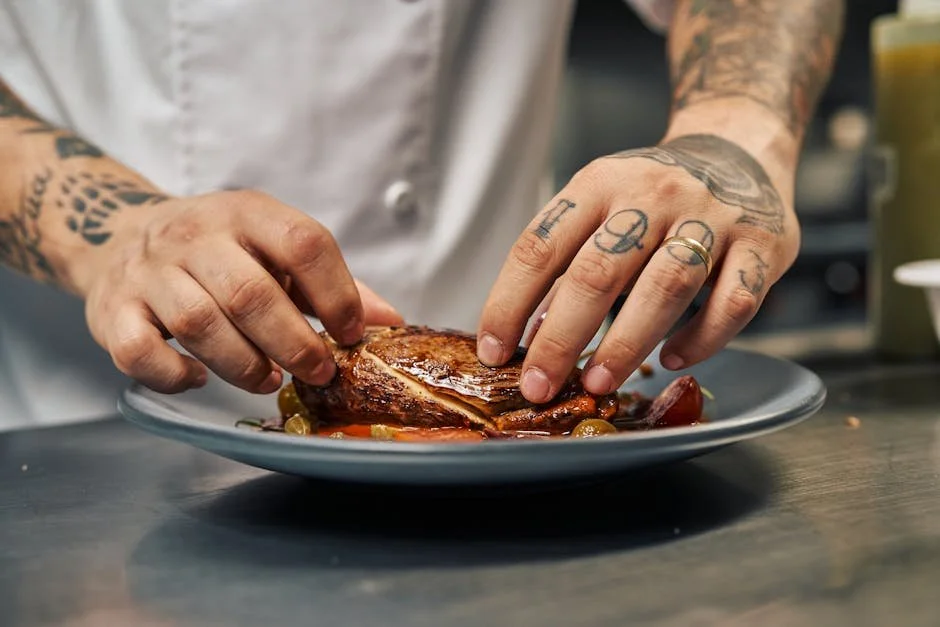
While scientific creativity often focuses on discovering objective truths and repeatable phenomena, culinary creativity operates in a realm of subjective experience, aesthetic values, and what some philosophers call "process art." It leverages the chef's unique perspective to leave indelible traces on the senses, much like any other art form.
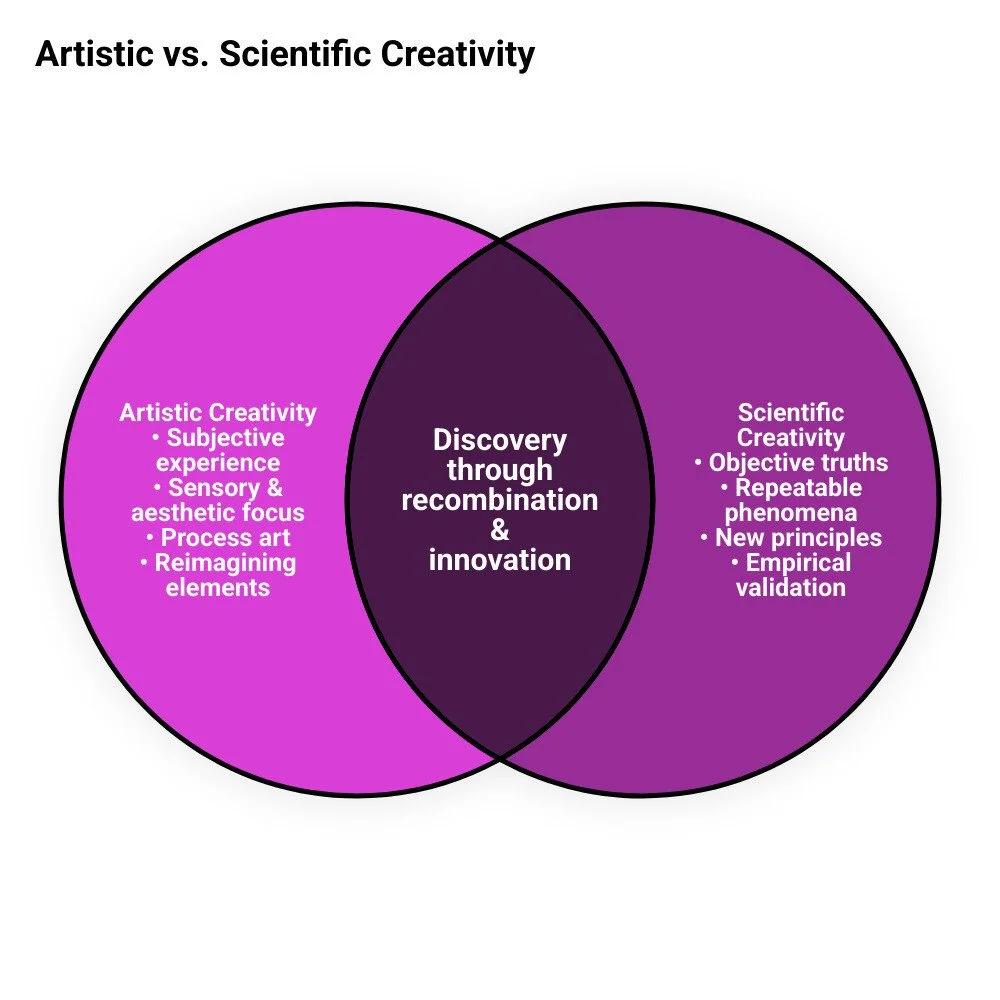
This distinction is crucial. Culinary creativity isn't about inventing a new element; it's about reimagining how existing elements can interact and be presented. It deconstructs myths that creativity is solely about radical novelty, instead highlighting the power of recombination and evolving established forms.
The Historical Evolution of Culinary Creativity
The journey of culinary creativity has seen remarkable transformations, perhaps most notably with figures like Ferran Adrià. His work at elBulli, especially following a pivotal 1987 masterclass where Jacques Maximin famously declared, "Creativity means not copying," redefined modern gastronomy. Adrià didn't just cook; he developed an entirely new culinary language, using techniques like spherification and foams to challenge perceptions of texture, temperature, and flavor. This avant-garde approach moved beyond mere replication, embracing an artistic exploration of food.
His influence, and that of his contemporaries, marked a significant shift from chefs as skilled craftspeople to visionary artists. This evolution is a testament to how applying creativity research to cooking can clarify our understanding of culinary competence and its development. The ability to conceptualize, innovate, and execute dishes that are both novel and appropriate to their context became the hallmark of elite gastronomy.
Distinguishing Art from Traditional Skill
The essence of culinary creativity lies in its artistic dimension. Gastronomy, at its highest level, functions as a "process art," where the design, preparation, cooking, and presentation all contribute to an aesthetic experience. The chef's subjectivity interacts with reality, transforming ingredients into expressions that resonate emotionally and intellectually. This is where food moves beyond mere sustenance to become a medium for storytelling and cultural commentary.
The difference between a skilled cook and a creative chef often lies in this ability to infuse dishes with personal meaning and artistic intent. While traditional cooking emphasizes mastery of techniques and recipes, creative cooking adds layers of innovation, often drawing on diverse cultural influences and personal interpretations. The interaction between culinary skills and artistic expression is constant, as gastronomy leaves traces on the senses akin to how art impacts its audience. This interplay is a core theme in discussions around creativity in gastronomic activities, which examines how individual skills and environmental factors contribute to creative output.
A computational approach to creativity assessment, such as that applied to elBulli's recipes, further highlights that creativity isn't about a single trait, but rather novel combinations of existing ingredients and techniques. This suggests that culinary innovation is often evolutionary, building upon previous creations rather than being radically novel, as discussed in A computational approach for creativity assessment of culinary products: the case of elBulli.
To further differentiate, consider this comparison:
Feature Artistic Creativity (Culinary) Scientific Creativity Primary Goal Aesthetic experience, sensory delight, emotional resonance Objective discovery, reproducible results, theoretical advancement Output Unique dishes, culinary concepts, dining experiences Theories, experiments, inventions, data Value Basis Subjective appreciation, cultural impact, innovation in form/flavor Empirical evidence, utility, explanatory power Process Focus Intuition, experimentation, sensory feedback, cultural fusion Hypothesis testing, systematic observation, logical deduction "Truth" Perceived beauty, deliciousness, novelty Verifiable facts, predictive models The Anatomy of a Creative Chef: Traits and Environments
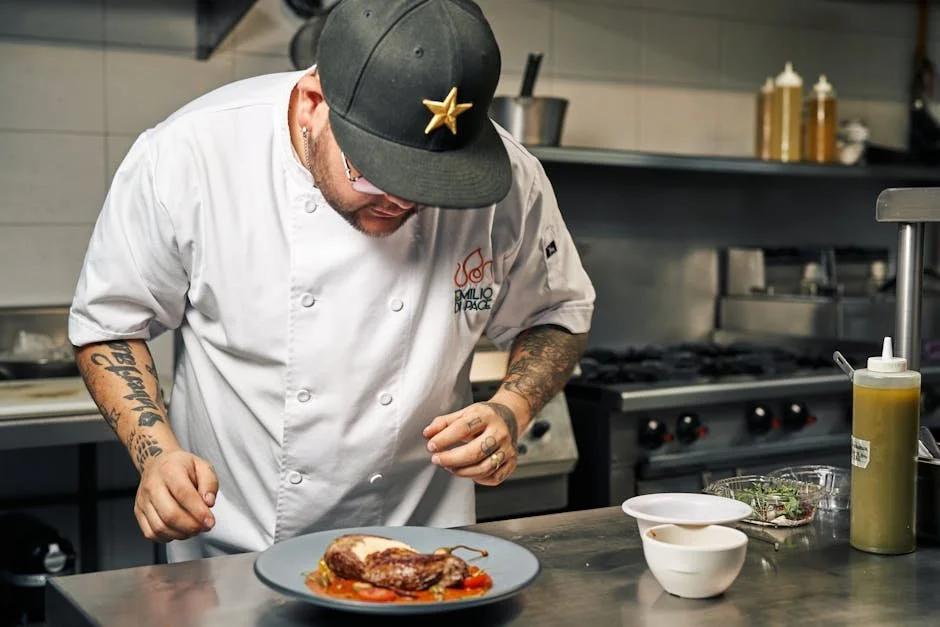
What sets a Michelin-starred chef apart? It's not just technical skill; it's a profound capacity for creativity, nurtured by specific individual traits and supportive environments. The world's top chefs, collectively holding over 143 Michelin stars and 10 Michelin Green Stars as of April 2026, exemplify this unique blend of artistry and expertise. Their kitchens are often laboratories of innovation, where new ideas are constantly being tested and refined.
Individual Characteristics of Elite Chefs
Creative chefs possess a distinct set of characteristics that enable them to push culinary boundaries. Foremost among these are deep knowledge and exceptional skill. This isn't merely knowing recipes, but understanding the fundamental principles of cooking, ingredient science, and flavor profiles. They combine this with a worldwide perspective, drawing inspiration from diverse cultures, cuisines, and culinary traditions. This global outlook allows for cross-cultural fusion and the development of truly Innovative culinary flavor fusions.
Beyond technical prowess, these chefs exhibit a strong drive for artistic expression. They view food as a medium for communicating ideas, emotions, and personal narratives. This often involves a high degree of intrinsic motivation, a relentless curiosity, and a willingness to take risks. They are constantly learning and adapting, embodying the spirit of continuous improvement. For more on the people behind such culinary ventures, understanding their vision is key, as highlighted on our About Us page.
Research into the defining characteristics of creative chefs reveals that they possess qualities that enable artistic expression far beyond ordinary cooking. They are often characterized by their ability to reinterpret ideas, present them in new ways, and demonstrate unique problem-solving approaches in the kitchen, as detailed in A recipe for culinary creativity: Defining characteristics of creative chefs and their process - ScienceDirect.
Environmental Factors and Supportive Settings
Individual talent, however, rarely flourishes in isolation. The environment plays a crucial role in fostering culinary creativity. Studies show a cyclical correlation between a chef's individual creative skills and their work environment. Supportive settings that encourage experimentation, provide freedom, and offer resources are vital. This includes access to diverse ingredients, state-of-the-art equipment, and a culture that embraces failure as a learning opportunity.
In fine dining, where innovation is paramount, employee roles are heavily integrated into the creative process. This collaborative atmosphere, coupled with a focus on human factors in service delivery, allows for organic and iterative development of new dishes. The scarcity of resources, paradoxically, can sometimes fuel creativity, forcing chefs to find ingenious solutions and maximize the potential of every ingredient.
The concept of "Kitchen Creativity" extends beyond individual genius to encompass the entire ecosystem of the kitchen. It's about creating a space where chefs can unlock their potential through surprising strategies, intuition, and a mastery of classics. Books like Karen Page's "Kitchen Creativity" delve into these dynamics, offering insights from over 100 top restaurant kitchens. These insights reveal that a supportive environment, coupled with a chef's intrinsic drive, is paramount for sustained innovation.
Computational Gastronomy and AI in Recipe Development
The intersection of food, data, and computation, known as computational gastronomy, is rapidly transforming how we understand and approach culinary creativity. By making food computable, researchers are unlocking new avenues for innovation, sustainability, and personalized nutrition.

Massive databases are at the heart of this revolution. RecipeDB, for instance, compiles over 118,000 recipes from 74 countries, offering an unprecedented look into global culinary traditions. FlavorDB provides extensive data on the flavor profiles of 936 natural ingredients, allowing for a molecular understanding of taste and ingredient pairings. This data-driven approach allows us to delve into the "why" behind successful food combinations, providing a foundation for Practical Culinary Creativity that leverages scientific insights.
AI tools, such as the "Ratatouille" algorithm, are being fine-tuned on these vast datasets to generate novel recipes. The ultimate test of these AI-generated creations is often a "Turing Test for Chef," where professional chefs evaluate recipes without knowing if they were human or AI-conceived. In one such test, AI recipes achieved an F1 score of 69.88% in fooling chefs, demonstrating a remarkable ability to replicate or even inspire human-level culinary creativity. This fascinating development is explored in depth in research on computational gastronomy: capturing culinary creativity by making food computable.
Harnessing Culinary Creativity for Global Sustainability
Beyond novelty, computational gastronomy offers powerful solutions for some of humanity's most pressing challenges. With a growing global population projected to reach 10 billion, feeding everyone sustainably is a monumental task. AI can optimize recipes for various criteria, including nutritional value, cost-effectiveness, and environmental impact.
DietRx, with over 2,200 food ingredients across 24 categories, enables the creation of personalized nutrition plans, potentially even predicting individual glucose responses based on gut microbiome data. By integrating data on carbon footprints from databases like SustainableFoodDB, AI can help design "net-zero" recipes, minimizing environmental impact while maximizing nutritional benefits. This allows chefs and food scientists to creatively address sustainability, health, and resource challenges simultaneously.
For example, an AI could suggest alternative ingredients that offer similar flavor profiles but have a lower carbon footprint or are more locally sourced, pushing the boundaries of what's possible in sustainable cuisine.
Implications for Education and Training Programs
The rise of computational gastronomy and AI has significant implications for culinary education and training. Future chefs will benefit from curricula that integrate data science, ingredient informatics, and an understanding of AI's capabilities. Training programs can equip aspiring chefs with knowledge on factors fostering creative processes, including environment and individual traits, and provide training on local culture, values, and artistic design fundamentals.
Transdisciplinary approaches, bringing together academics, design experts, and the food industry, are becoming increasingly important. Events like EFOOD24, which celebrates the fusion of design and gastronomy in "Phygital Food Systems" (blending physical and digital spaces), highlight this collaborative future. Such initiatives aim to rethink and redesign food systems for greater inclusivity, equity, and sustainability, demonstrating how culinary creativity can be a force for positive global change.
Practical Frameworks for Modern Innovation
While the allure of AI and computational tools is strong, the heart of culinary creativity still beats in the kitchen, guided by practical methods and a chef's personal journey. Aspiring chefs can systematically develop their creativity by adopting proven frameworks and cultivating specific habits.
One such framework involves a structured approach to idea generation and refinement. Antoine Audran, a proponent of disciplined creativity, suggests a 9-step process that includes resting the mind, trusting the subconscious, continuous research, brainstorming, combining existing ideas, refusing to follow trends, stimulating all senses, taking risks, and converting ideas into sustainable work. This systematic approach transforms abstract inspiration into tangible culinary creations.
This process often involves "combinatory play," a concept attributed to Einstein, where diverse elements are creatively recombined. In cooking, this means blending unexpected flavors, textures, and concepts to create novel dishes. This approach is not just about technique but also about the narrative behind the dish, allowing for Story-driven Culinary Creativity that resonates with diners.
The Role of Real-World Dining Experiences
Personal culinary creativity is often sparked by real-world experiences, particularly dining out. Exposure to diverse cuisines, unexpected ingredient pairings, and innovative cooking methods at restaurants can be incredibly inspiring. A lively food scene, like that found in Scottsdale, Arizona, can reveal creative dishes that challenge assumptions and provide fresh perspectives.
Observing how chefs balance sweet and savory elements, use unconventional greens to elevate sauces, or fuse global flavors can directly translate into home kitchen experimentation. For example, a dish featuring sriracha maple syrup with sweet potato and pickled onions might inspire a home cook to experiment with similar sweet-savory contrasts. These sensory sparks from dining out fuel a deeper understanding of flavor dynamics and encourage individuals to recreate and adapt inspiring dishes, fostering their own creative journey.
Overcoming Creative Blocks and Failure
Creative blocks are a universal challenge, even for the most seasoned chefs. Overcoming them requires a combination of mental strategies and practical discipline. Trusting one's subconscious, often through meditation or simply allowing for periods of mental rest, can lead to breakthroughs. Maintaining personal discipline, such as tracking ideas daily on a whiteboard, ensures that flashes of inspiration are captured and developed.
Risk-taking is inherent to culinary creativity. Not every experiment will succeed, and embracing failure as a learning opportunity is crucial. The creative process is often iterative and organic, especially for elite chefs, who may not follow rigid business analysis phases. Instead, they continuously refine and adapt their ideas based on feedback and results. This iterative approach allows for growth and the development of unique culinary expressions.
The journey of culinary creativity can be broken down into stages, much like any artistic endeavor. Karen Page's "Kitchen Creativity" identifies three key stages:
Mastery: This foundational stage involves appreciating, tasting, and seasoning classic dishes. It's about building a strong technical base and understanding established culinary principles.
Alchemy: Here, chefs begin to reinvent classics, approaching them from new perspectives and introducing subtle, innovative twists. It's about understanding the rules well enough to intelligently break them.
Creativity: This final stage involves developing truly unique creations through combinatory play, heightening the senses, and pushing the boundaries of flavor and presentation.
Frequently Asked Questions about Culinary Creativity
How does culinary creativity differ from scientific creativity?
Culinary creativity, at its core, is an artistic pursuit focused on subjective experience, sensory delight, and aesthetic expression. It involves reimagining existing ingredients and techniques to create novel dishes that evoke emotion and tell a story. Scientific creativity, conversely, aims for objective discovery, reproducible results, and theoretical advancement, often seeking to understand natural phenomena or invent new technologies based on empirical evidence. While both require innovation and problem-solving, their ultimate goals and methodologies diverge significantly, with culinary creativity embracing the fluid, often personal, interpretation of taste and presentation.
Can AI tools like Ratatouille truly replicate a chef's intuition?
While AI tools like Ratatouille can generate highly convincing and even novel recipes, achieving a 69.88% F1 score in fooling chefs in a Turing Test, they do so based on algorithms and vast datasets, not genuine intuition or subjective experience. AI excels at identifying patterns, predicting successful combinations based on flavor chemistry, and optimizing for specific parameters like nutrition or sustainability. However, the human element of intuition—the gut feeling, the cultural memory, the personal narrative, and the spontaneous adaptation in the moment—remains a complex frontier for AI. AI can be a powerful assistant and inspiration, but replicating the nuanced, often unconscious, decision-making that defines a chef's true intuition is still a significant challenge.
What are the most effective steps for an aspiring chef to develop creativity?
Aspiring chefs can develop their creativity through a multi-faceted approach. First, master the fundamentals of traditional cooking; a strong foundation is essential for informed innovation. Second, cultivate a global perspective by researching and experiencing diverse cuisines, ingredients, and cooking methods. Third, practice conscious experimentation, taking risks and embracing both successes and failures as learning opportunities. Fourth, engage in combinatory play, deliberately blending seemingly disparate ideas, flavors, and textures. Fifth, seek inspiration beyond the kitchen, drawing from art, nature, and other sensory experiences. Finally, foster a supportive environment that encourages collaboration, continuous learning, and a relentless pursuit of culinary excellence. Following structured approaches like Antoine Audran's 9 steps or Karen Page's stages of Mastery, Alchemy, and Creativity can provide a valuable roadmap.
Conclusion
Culinary creativity is a vibrant and evolving field, stretching from the historical innovations of Ferran Adrià to the cutting-edge applications of computational gastronomy in April 2026. It is an art form that transcends mere sustenance, offering a canvas for artistic expression, cultural storytelling, and ingenious solutions to global challenges.
The journey of a creative chef is marked by a unique blend of individual traits—deep knowledge, skill, and a worldwide perspective—nurtured by supportive environments that encourage experimentation and risk-taking. As we look to the future, AI and computational tools are poised to augment human creativity, offering new ways to analyze, optimize, and even generate recipes for a sustainable and delicious future.
Whether through the intuitive artistry of a Michelin-starred chef or the data-driven insights of computational gastronomy, the pursuit of culinary creativity continues to enrich our lives, one innovative dish at a time. It is a testament to the enduring power of food as a universal language, constantly evolving and inspiring us to explore new frontiers of taste and experience.
To further explore the dynamic world of culinary innovation and discover how we are shaping the future of food, visit https://www.recipesagency.com/.