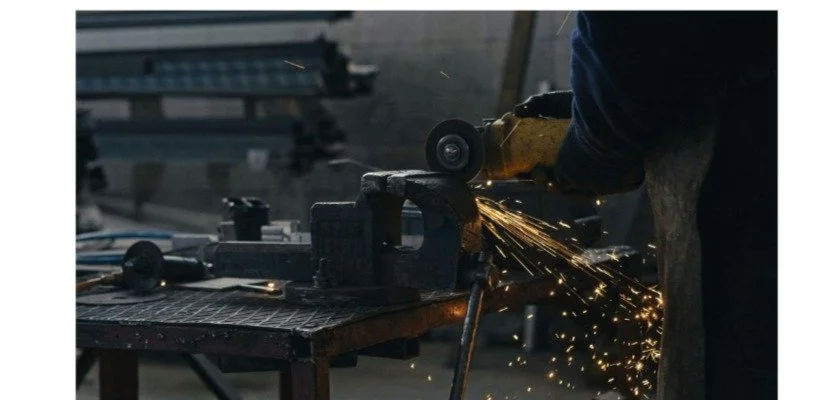
Stability Over Prestige: Rethinking What a "Good Job" Means
Image Source: Unsplash
Market shifts toward AI, uncertain economies, and changing generational attitudes towards status are influencing a new career mindset among professionals in their thirties.
They're asking themselves the tough questions: What does a "good job" mean in a tight corporate job market? Is it worth climbing the corporate ladder when a new round of layoffs is around the corner?
For many in this demographic, long-term stability means looking past the allure of corporate prestige and embracing the possibility of in-demand blue-collar industries.
Redefining Success
Job titles hold a lot of power. After all, professionals often set out to achieve a certain title after college, like Senior Product Manager or Chief Marketing Officer (CMO). However, the competition for these titles is fierce.
Thirty-something professionals are flooding tight corporate job markets, equipped with similar skill sets. But securing a golden job opportunity under these conditions often comes down to networks, timing, and luck.
However, outside of the corporate sphere, young professionals are finding that valuing skills over titles is possible, especially in in-demand sectors that serve essential community functions, like welding for building developments, HVAC installation, home construction, and automotive repair.
Consider the real-world scenario of a welder in Dallas who was able to transition to a steady job quickly after training for a welding career. They took hands-on courses in flux-cored welding, torch work, plasma cutting, and carbon arc gouging, which helped them land a job with a construction firm. This path allowed them to bypass a mountain of student debt, another appeal of the skilled trades.
Importantly, the new welder landed a job based solely on their skills and sector demand. In fact, according to a report from CNBC, skilled trades are facing major labor shortages due to a retiring workforce, which is also driving up pay for these open positions. This reality stands in stark contrast to the tight corporate job market, where entry-level jobs are harder to come by and the pay is decreasing.
Planning for Longevity in the Skilled Trades
Perhaps the most notable difference between corporate jobs and skilled trades careers is physical demand.
Since welding and construction careers are more physically demanding than corporate desk jobs, the new skilled trades workforce is learning how to prioritize their health to meet such demands, like keeping balanced schedules, practicing proper ergonomics, and making time for rest and mental well-being.
Planning for future job transitions within skilled trades is also on the list, ensuring job sustainability until retirement. For example, welding also entails technological skills, like robotic and automated welding programming, leading to less physically demanding jobs in control booths. Many welders develop marketable CAD skills, helping them land in-demand industrial design jobs.
Another pivot within the skilled trades is the facility and equipment inspection track. Welders and machinists who earn advanced credentials, such as the American Welding Society Certified Welding Inspector (CWI) status, can seek advisory roles in various industry sectors, including aerospace, semiconductors, and renewable energy.
Maintaining Financial Stability
Going through skilled trades training, earning additional industry-relevant certifications, and planning for future industrial role pivots help professionals maintain financial stability while leveraging the growing opportunities within multiple sectors.
There are also business opportunities to explore for entrepreneurial tradespersons. An experienced HVAC installer or construction worker is in a better position to start their own business, since there is community and industry demand for these services.
Conversely, if a laid-off corporate marketing executive decided to start their own agency in such a competitive field, they may have a harder time drumming up the clients they need to sustain their agency, despite an active LinkedIn network and a large list of contacts. Alternatively, they might enter the uncertain realm of consulting work.
Taking the Next Step Toward a Stable Career
In a job market plagued with multiple interviews, hundreds of applications, and headlines about one corporate layoff after the next, it's time for young professionals to take a step back and consider the options beyond the corporate world.
Skilled trades are in high demand across the industry spectrum, from home construction and commercial building development to aerospace and telecommunications. Pivoting requires redefining the meaning of success, planning for industry longevity, and building long-term financial security.
Keeping up with the latest industry happenings also leads to smart career changes. Follow us for more!