Seasonal Eating: Simple Ways to Make Fresh Produce Part of Every Meal
Table of Contents
Benefits of Seasonal Eating
Identifying Seasonal Produce
Incorporating Produce into Breakfast
Adding Vegetables to Lunch and Dinner
Snacking on Seasonal Fruits and Veggies
Preserving Seasonal Produce
Supporting Local Farmers
Final Thoughts
Embracing seasonal eating is a timeless approach to wellness, combining the joys of fresh flavor with the benefits of supporting your local community. When you select fruits and vegetables that are harvested at their peak, you not only enhance the taste of your meals but also help local farmers thrive. Access to fresh, seasonal produce is easier than ever with resources like grocery stores near me, which make it simple to find what's in season in your area.
By focusing your diet on in-season ingredients, you’re adding more nutrients to your plate and celebrating a variety of tastes throughout the year. Eating with the seasons often means your food travels a shorter distance to reach your table, reducing carbon emissions and ensuring maximum freshness. This holistic approach to eating brings variety, value, and vibrant health to your daily menu while lessening your environmental impact.
Seasonal eating offers more than just nutritional perks. It can introduce you to a broader range of recipes, inspire creativity in the kitchen, and deepen your connection to the natural world. According to Healthline, choosing seasonal produce often means higher nutrient levels and more complex flavors because these foods are picked when naturally ripe.
Plus, integrating local produce into your meals can help you make informed shopping decisions while supporting regional agriculture and small businesses. Exploring local markets and farm stands not only fosters economic resilience but can also bring families and communities together around a shared table.
Benefits of Seasonal Eating
There are compelling advantages to basing your diet around seasonal foods:
Enhanced Flavor: In-season foods are at their freshest, offering richer taste and texture that can transform any dish.
Cost-Effective: Produce harvested in abundance tends to be less expensive, making healthy eating easier on your budget.
Nutrient Density: Freshly gathered fruits and vegetables contain higher levels of vitamins and minerals than those that have been stored or shipped long distances.
Environmental Stewardship: Purchasing local, seasonal foods reduces energy use for transportation, packaging, and storage.
Identifying Seasonal Produce
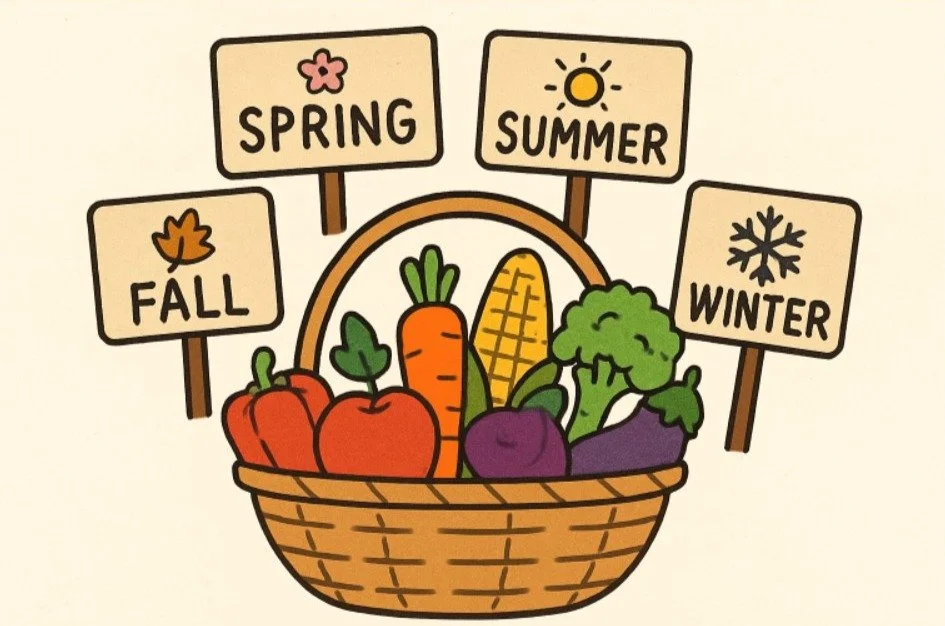
Understanding what’s in season requires a little research, but the payoff is enormous. In spring, look for asparagus, radishes, baby lettuce, and strawberries. Summer brings tomatoes, cucumbers, zucchini, peaches, and sweet corn. Autumn is the prime time for apples, squash, pumpkins, and Brussels sprouts. In winter, hearty root vegetables like carrots, parsnips, and beets, as well as leafy greens like kale and chard, take center stage.
Incorporating Produce into Breakfast
Fruit Smoothies: Blend ripe berries, peaches, or spinach with yogurt or almond milk for a quick, nutrient-rich breakfast.
Vegetable Omelets: Sauté seasonal greens like chard or diced peppers with eggs for a filling and flavorful start.
Oatmeal Toppings: Use apples, pears, or fresh berries as naturally sweet toppings for whole-grain oatmeal.
By starting your day with fruits and vegetables, you establish healthy habits and elevate the nutritional value of your mornings.
Adding Vegetables to Lunch and Dinner
Salads: Mix arugula or spinach with roasted squash, grilled peaches, or pomegranate seeds for inventive salads.
Soups and Stews: Hearty root vegetables and legumes can be made into cozy stews or pureed soups that warm the soul.
Stir-Fries: Use what’s available, snap peas, bok choy, broccoli, and colorful peppers for easy, nourishing stir-fries.
Experimenting with new vegetables as they come into season can keep your meals interesting and flavorful year-round.
Snacking on Seasonal Fruits and Veggies
Fresh Fruit: Keep bowls of apples, citrus, or stone fruits on the counter for an easy grab-and-go snack.
Vegetable Sticks: Prepare carrot, cucumber, or bell pepper sticks to pair with dips like hummus or tzatziki.
Baked Chips: Make your own crispy kale or sweet potato chips as a wholesome, crunchy alternative to packaged snacks.
With just a bit of planning, healthy snacks are always within reach to satisfy cravings.
Preserving Seasonal Produce
Seasonal bounties often arrive in waves, and learning preservation techniques is a worthwhile skill:
Freezing: Chop and freeze berries or vegetables for later use in smoothies, soups, or sauces.
Canning: Capture the flavors of summer fruits or tomato sauces in jars to enjoy all year.
Drying: Dehydrate apples, plums, or tomatoes for homemade snacks free of added sugars and preservatives.
Preserved produce can be a lifesaver in the off-season, keeping your diet varied and flavorful.
Supporting Local Farmers
Farmers' Markets: Local markets are treasure troves of fresh, unusual, and delicious produce that you won’t find in big-box stores.
Community Supported Agriculture (CSA): Signing up for a CSA ensures you receive a variety of seasonal items, often at a better value than retail.
Pick-Your-Own Farms: Many farms invite visitors to harvest their own fruits or vegetables, a fun activity for families and an opportunity to learn about the origins of food.
Spending even a portion of your food budget at these outlets boosts your community’s economy and creates a stronger link between farmer and eater.
Final Thoughts
Making fresh, seasonal produce the star of your meals is a delicious, economical, and sustainable way to eat. With a little creativity, you can refresh your plate through every season, enjoy more nutrient-rich foods, lessen your environmental impact, and celebrate the stories, people, and places behind your food. Start exploring local resources, experiment with new ingredients as they arrive, and savor the flavors of every season.