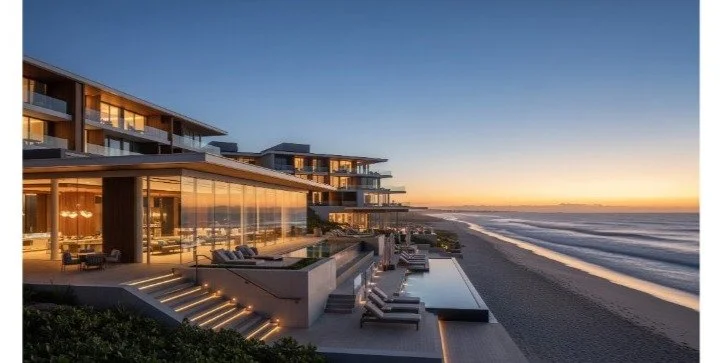
Resort Property Is Seductive. The Spreadsheet Is Less Romantic
Resort real estate can work in 2026, but only when the numbers survive vacancy, management fees, insurance, taxes, and weather risk. A pretty balcony is not an investment thesis. The strongest beachfront property usually has year-round access, professional management, clear title, and demand beyond holiday weeks.
Start With Use, Not Fantasy
Buyers often blur three different goals: personal escape, rental income, and capital growth. A unit that serves all three exists, but it rarely comes cheap. The honest first question is simple: would the property still make sense if you could not use it for two peak seasons?
Resort markets punish vague plans. A ski residence, island villa, or serviced apartment depends on flight access, season length, maintenance quality, and local regulation. The ocean view helps marketing; the operating model pays the bills.
Branded Residences Changed the Price Ceiling
Hotel-managed residences are no longer a niche. Savills reported that branded residence schemes were expected to rise from 764 in December 2024 to 910 by the end of 2025, a 19% increase. That growth explains why resort developers now sell not just square meters, but housekeeping, concierge access, wellness rooms, beach clubs, and lock-and-leave convenience.
The premium can be rational. A trusted operator may protect standards and improve rental appeal. Still, owners must read the service contract line by line because annual fees can eat into yield before the first guest arrives.
The Betting Analogy: Price Is Only One Line
Real estate investors and sports bettors make the same mistake when they stare only at the headline number. Odds mean little without form, injury news, liquidity, and timing. A reader comparing best betting sites in Bangladesh should be looking at market depth, cricket coverage, live odds stability, payout rules, and responsible bankroll tools rather than a single bonus banner. Resort buyers need the same discipline with net yield, HOA fees, occupancy assumptions, currency risk, and exit demand. In both cases, the smart move is not chasing the loudest offer; it is checking what happens when conditions turn against you.
Climate Risk Is Now a Line Item
Beachfront property carries a premium because it is scarce and emotional. It also carries exposure. Rising insurance costs, flooding, erosion, storm damage, and new building codes can change the economics faster than rental demand improves.
A serious buyer should ask for hazard maps, insurance history, reserve-fund documents, and proof of recent structural work. If the seller avoids those documents, treat the view as a distraction.
What Bangladesh-Based Buyers Should Compare
For investors researching from Dhaka, Chattogram, or Sylhet, the practical screen is not very different from a New York or Singapore buyer’s checklist. Cross-border resort purchases require patience and legal discipline.
Key checks:
Title and ownership rights: leasehold, freehold, foreign-buyer limits.
Net rental yield: after platform fees, cleaning, management, tax, and vacancies.
Access: airport distance, road quality, ferry reliability, seasonal disruptions.
Currency exposure: purchase currency, rental currency, loan currency.
Exit market: who buys the unit if you need to sell in three years?
Mobile Research Has Made Buyers Faster
Property research now happens in short bursts: a listing at lunch, a YouTube tour after dinner, a WhatsApp note to an agent at midnight. The same mobile rhythm shapes digital betting habits, where MelBet download can give users quicker access to live markets, account checks, match statistics, and app-based payments. In sports betting, that speed matters most when cricket odds shift after a wicket or football prices move after team news. A good mobile setup does not remove risk; it helps users act with more discipline and less confusion. Resort investors should want the same thing from agents and portals: clean data, fast documents, and fewer glossy distractions.
When the Deal Deserves a Second Look
A resort purchase makes more sense when the destination has year-round demand, not one crowded festival season. It also helps when local infrastructure is improving: better airports, cleaner beaches, stronger healthcare, and reliable utilities. None of that guarantees appreciation, but it lowers operational stress.
Walk away when the model depends on perfect occupancy, vague “guaranteed returns,” or hidden fees. The sunset will still be there next year. Your capital may not.