Please provide an update so this does not get removed.
What Travellers Miss When They Only Explore Hobart on Foot
Key Takeaways
- Hobart is walkable, but the best natural views sit just outside the city
- Local food, farms and distilleries are often inaccessible without a car
- Quiet beaches and hidden stops are only reachable with flexible transport
Hobart feels made for walking. The city centre is compact, the streets are full of character, and within a few blocks you can go from waterfront markets to cosy cafés to historic sandstone laneways. For many visitors, it’s tempting to plan the whole trip around this easy strollable charm. And while there’s plenty to love within city limits, staying on foot also means missing a lot of what makes this part of Tasmania so rewarding to visit.
Where the pavement ends, the real views begin
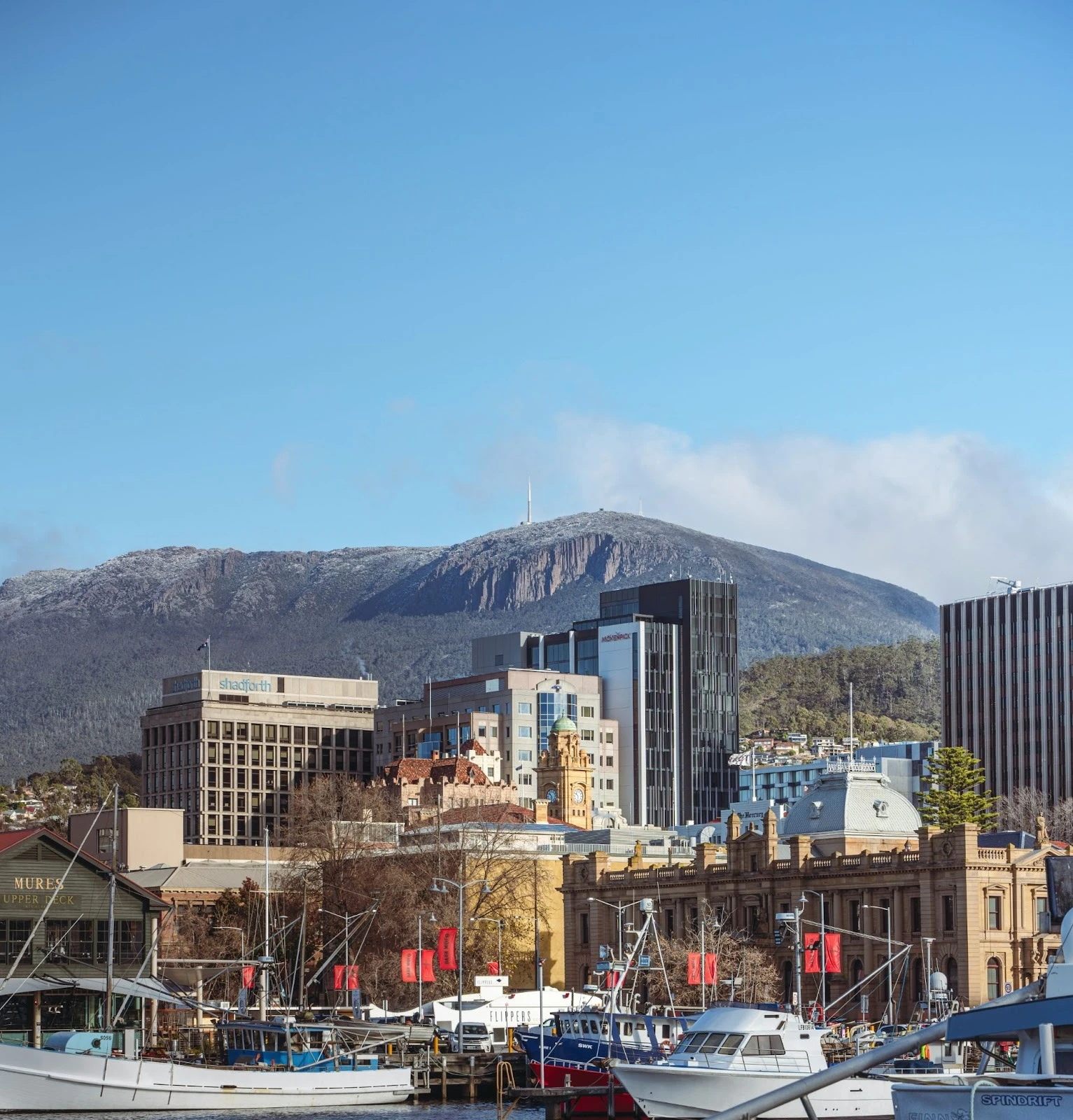
There’s a point, just a few minutes out of the city, where everything starts to open up. One moment you’re in a built-up neighbourhood, and the next you’re looking down at the river from a mountainside car park or pulling over to watch clouds roll off the hills. The shift happens quickly in Hobart, and you won’t need to drive far to get to places that feel completely removed from the city.
Mount Wellington is the obvious one. You can see it from almost anywhere in town, but the view from the summit is something else entirely. Getting up there on foot is possible if you’re extremely fit and well-prepared. Otherwise, you’ll need a vehicle. Public transport doesn’t reach the top, and most tours don’t offer the flexibility to linger or stop along the way. The same goes for other spots like Fern Tree, Ridgeway, and the start of the Pipeline Track—great walks, but hard to reach without your own wheels.
Food, farms and places without footpaths
Tasmania’s food scene often gets top billing, but many of the best stops aren’t in Hobart proper. Farmgate tastings, cider sheds, whisky distilleries and pick-your-own orchards are scattered through the Derwent and Huon valleys, all within an hour of the CBD. Some are only open a few days a week, others are off winding backroads without clear signage or bus access.
These places make for some of the most memorable moments on a Hobart trip, especially if you’re keen to meet local producers and sample what’s grown nearby. Relying on foot traffic or group tours means you’ll likely miss them altogether—or see them on someone else’s schedule.
Many travellers choose car hire from Hobart airport rather than waiting until they reach the city. It lets you skip the shuttle queues, avoid looping back later, and start your trip with full access to the southern region’s food and drink highlights. With a car, places that felt too far suddenly fit easily into a single afternoon.
Beach stops and detours you won’t find in guidebooks
There’s no shortage of guides recommending Hobart’s main attractions, but some of the most relaxed, scenic parts of the region rarely make the list. Seven Mile Beach is less than 30 minutes from the city, yet it’s often empty except for locals walking their dogs. Further east, spots like Cremorne and Clifton Beach offer a completely different pace—quiet shorelines, bushland backdrops and clean water without the crowds.
Even places like Opossum Bay or South Arm, which sit at the far end of the peninsula across the river, feel like hidden getaways. They’re close enough for a half-day drive but isolated enough to feel special. Without your own transport, getting to these places becomes a logistical puzzle. With a car, they’re easy add-ons to your trip. You can stay longer, bring your own lunch, and decide when to head back without watching the time.
How families and small groups benefit most
Walking holidays are simple when you’re solo. Add kids, luggage or multiple interests, and suddenly flexibility matters more. If you’re travelling with a family or in a small group, having a car can be the difference between a smooth day and one that feels like a series of compromises.
It’s not just about saving your legs. It’s about being able to stop when someone’s tired, store jackets or snacks without carrying them, and pivot your plans when the weather changes. You don’t need to plan every detail around tour departures or taxi wait times. You can drive to the beach in the morning, grab lunch at a roadside café, and still fit in a gallery stop or short bushwalk before dinner.
That kind of freedom lets everyone enjoy the trip at their own pace, which makes the whole experience more relaxed and memorable.
Hobart’s best bits aren’t always marked on the map
Walking around Hobart gives you a beautiful first impression. The city’s streets are full of atmosphere, and there’s plenty to see within a short distance. But the real stories—the ones you take home—often happen beyond the footpath. They’re found on quiet beaches, at roadside farm stalls, along mountain trails and in places where buses don’t go and signs don’t point.
Hobart rewards curiosity. And having your own transport is what turns a short city break into something more like a true Tasmanian adventure.