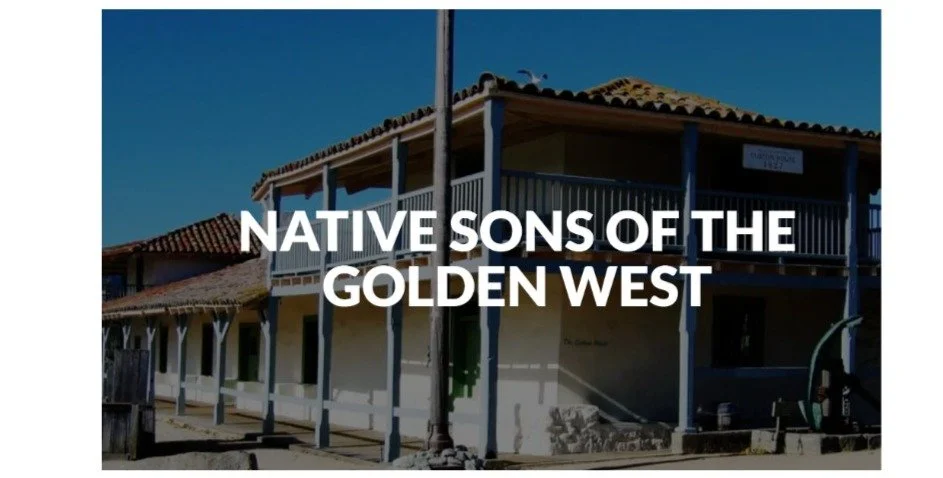
Native Sons of the Golden West: How Social Media Can Keep California History Alive
California has a story like no other. The state has many things and people to be remembered for, from the “Gold Rush” to the old adobe ranch houses. But most young Californians don't get to hear these tales in everyday life. The good news is that the same apps we scroll every day can bring history back to life. Here is how groups like the Native Sons of the Golden West and everyday people can use social media to keep California history alive.
Why California History Needs Fresh Voices
The Native Sons of the Golden West began in San Francisco in 1875 with a clear mission to preserve the history of California. Throughout the years, members have preserved historic sites, installed historical plaques, and collaborated with the California State Parks with restoration efforts. This is still important work, but people are learning about the world through their phones these days. If history is only found in books and plaques, many people will miss it. Social media contributes to the dissemination of these stories to a new audience.
Follow the Work of Local Heritage Groups
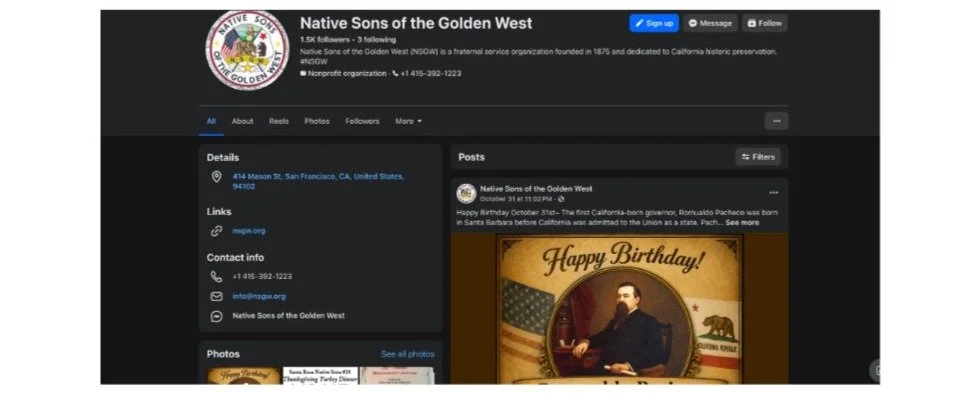
One easy first step is to follow the people already doing the work. Local chapters, known as parlors, meet, dedicate sites and exchange information on preservation initiatives. By following NSGW on Facebook, you will be able to learn more about upcoming events, historic sites, and how to participate in your own community. Liking, sharing, and commenting on these posts also helps them reach more people through the platform's feed. It will only take a few seconds, but it will keep the stories going! Following the Native Daughters of the Golden West, their sister organization, adds even more local history to your feed.
Share Photos and Stories of Local Landmarks
Almost every town in California has a historic spot with a story behind it. In 1910, for instance, a local parlor purchased the Rancho Petaluma Adobe to preserve the last of General Vallejo's ranch house. When you visit one of these sites, the next time, you can take a picture and write a story in the caption. Include the address and some basic hashtags that will make it easier for people to find it. Old family photos work well too, especially when you explain who is in them and why they matter.
Use Short Videos and Live Events
One of the best methods to make history exciting is through short videos. A thirty second clip about an old mission, a gold mining town, or a parade can reach thousands of viewers. Videos of plaque dedications and community events are streamed live so that people can participate even if they can't attend in person. Admission Day on September 9 is a perfect time to share what makes California special.
Build a Community Around the Past

History feels more alive when people talk about it together. Participate in local history organizations, ask questions and exchange information. You might be surprised at the number of people who have old photos, family letters, or old stories that they never recorded. These posts are also great for having a conversation about with students in your classroom, and for students to share their research.
Keep It Accurate and Honest
Without good facts, there's no good history. When sharing a story, verify it with a reputable source, like a museum, library or official state site. If possible, make sure to give credit to the photographer or the archive. Don't forget that there are difficult chapters in history and to tell the whole story with respect is to learn. Be not afraid to correct a mistake in a post, honesty creates trust.
Simple Ways to Get Started Today
It doesn't require a historian to do the job. Share one heritage page and one local story per week and share with a friend. Check out one of the landmarks in your area and post your findings. Small actions like these add up quickly.
Conclusion
California's history belongs to everyone, and social media gives all of us a simple way to protect it. Follow heritage groups, share local stories and preserve the accuracy of facts to keep the past alive in the present. These stories have been kept alive for over 150 years by the Native Sons of the Golden West. Now it is your turn to carry them forward.