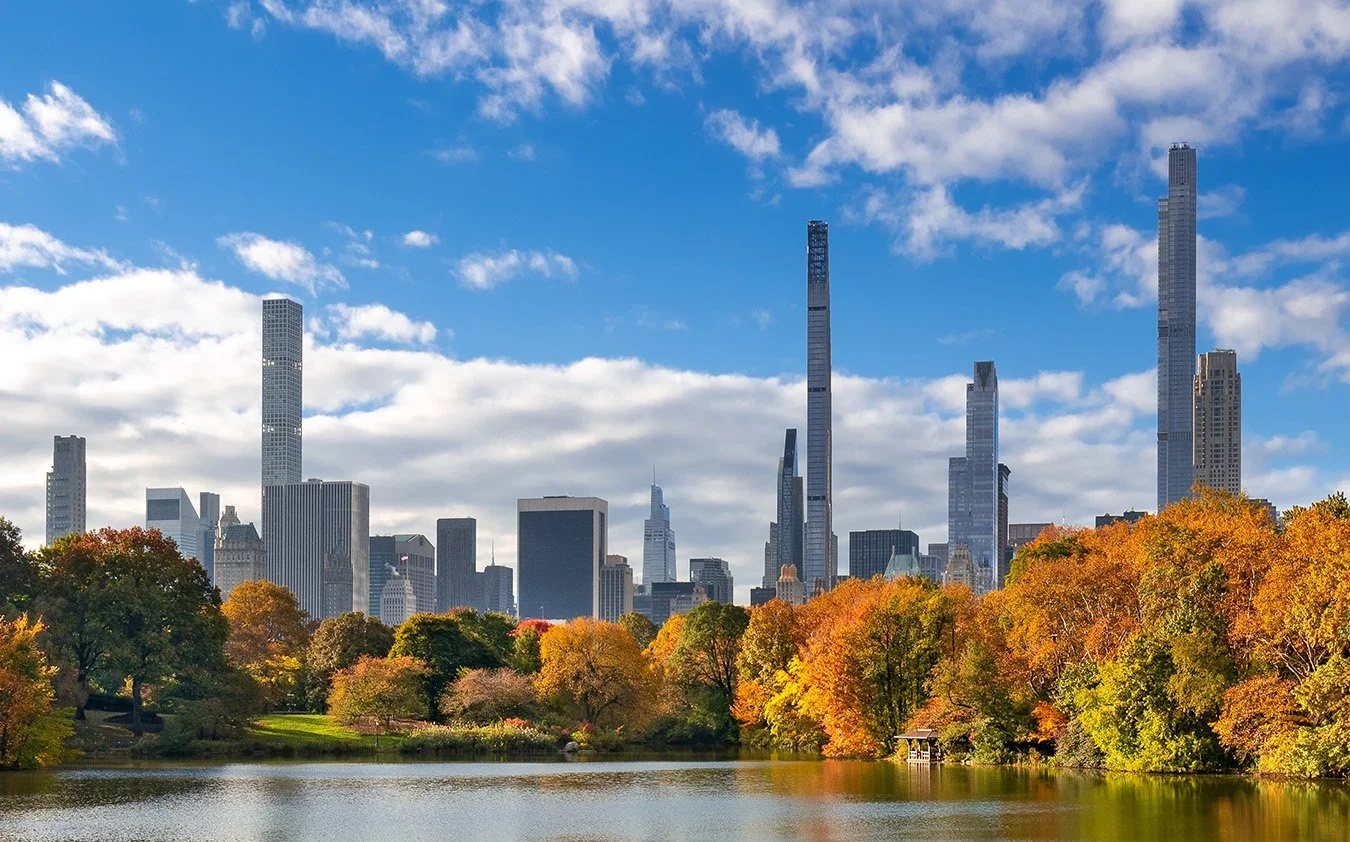
Manhattan Real Estate 2026: Which Neighborhoods Are Holding Their Ground?
The broader U.S. housing market has spent the past couple of years in a kind of limbo - rates high, buyers hesitant, sellers stubborn. Manhattan, though, has never really played by the same rules as the rest of the country. And 2026 is shaping up to prove that point once again. While some parts of the borough are clearly feeling the pressure, several neighborhoods are holding firm in ways that have surprised even experienced observers of the manhattan real estate market. So the real question isn't whether Manhattan is slowing down. It's where the slowdown is happening - and where it isn't.
The Big Picture: A Market of Two Stories
The headline numbers from Q1 2026 look pretty solid on the surface. Closings rose 1% year over year to 2,757, which marks the sixth consecutive quarter of annual sales growth and the strongest first quarter since 2022. Total sales volume climbed 4% to $6.2 billion - one of the highest first-quarter totals in nearly a decade. But beneath those numbers, something more complicated is happening.
Signed contracts dropped 11% year over year, the first such decline since 2024. Analysts largely read that as a pause rather than a retreat. Buyers are reacting to geopolitical uncertainty, equity market volatility, and a general sense that mortgage rates might ease later in the year. But when buyers do decide to move, they're moving fast and with conviction. That tells you demand hasn't disappeared. It's just become more selective.
The median sale price across all of Manhattan reached $1.4 million in January 2026, a 14.8% jump year over year. But that figure masks a sharp divide between condos and co-ops. Condo prices drove the gains while co-op values trended the other way - a divergence that represents one of the widest gaps between the two property types in recent memory.
Neighborhoods That Are Actually Winning Right Now
Not every pocket of Manhattan is navigating 2026 the same way. Some areas are clearly outperforming, and the reasons why tell you a lot about where durable value actually lives in this city.
Tribeca: Stability at the Top
Tribeca has long been one of Manhattan's most stable luxury enclaves, and that reputation isn't fading. Median listing prices hovered around $4.4 million as of late 2025, with condo prices holding near $3.6 million despite broader softness. Inventory here is genuinely scarce - loft conversions, full-floor residences, and boutique new developments don't come to market often, and when they do, they don't linger.
Buyers in 2026 are prioritizing design integrity and square footage over flash. Tribeca's original loft layouts with restored architectural details remain the gold standard. The neighborhood's low-rise, cobblestone character limits new construction in a way that protects pricing. Low volatility compared to other Manhattan neighborhoods is probably Tribeca's most underappreciated feature for buyers thinking long-term.
The Upper East Side: Quiet Consistency
The Upper East Side doesn't generate a lot of buzz, and that might be exactly why it keeps performing. Home values appreciated roughly 4% in 2025, and moderate growth in the 2-4% range seems realistic for 2026. The median home price sits at about $1.4 million, up roughly 16% year over year as of late 2025, with a median listing price closer to $1.6 million reflecting strong underlying demand.
Inventory remains tight. Boutique developments and updated prewar co-ops are defining this year's activity. Buyers here are largely long-term thinkers - not speculators - which keeps the market grounded. And there's a practical appeal too: buyers can get significantly more space on Park or Fifth Avenue than in downtown hotspots, at prices that compare favorably to the West Village or SoHo.
The Financial District: The One to Watch
This might be the most interesting story in manhattan real estate news right now. The Financial District landed at the top of StreetEasy's annual ranking for the biggest year-over-year jump in searches, with apartment searches climbing nearly 47% from 2024 to 2025. Office-to-residential conversions are driving a transformation of FiDi into a genuine 24/7 neighborhood - one with proper retail, wellness amenities, and infrastructure that simply didn't exist a decade ago.
Analysts describe it as Lower Manhattan's maturation into a residential destination. The entry point is relatively accessible compared to Tribeca and SoHo, with median values around $981,000. That combination of improving livability and relative affordability is drawing buyers who might have previously looked elsewhere.
The Luxury Segment: Running at a Different Speed
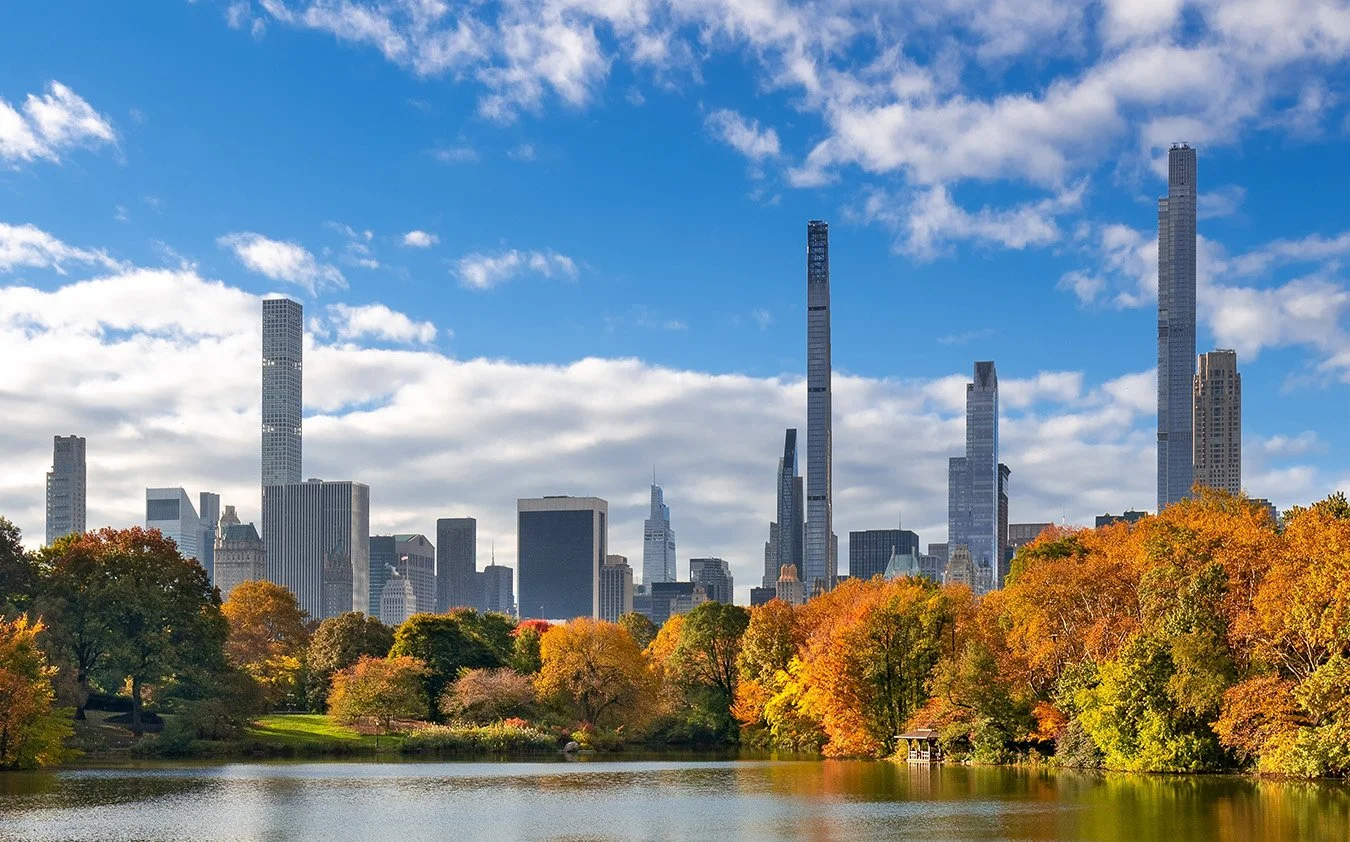
Manhattan luxury real estate is essentially operating in its own lane right now. For all of 2025, manhattan luxury real estate sales hit nearly $12 billion across more than 1,400 contracts - an 11% year-over-year increase - and that momentum has been carrying into 2026. Demand in the ultra-luxury tier is driven by scarcity. Trophy apartments with architectural distinction and exceptional views can't be replicated. When one surfaces, qualified buyers move quickly.
A few structural factors are fueling this. Record equity markets through late 2025 and early 2026 boosted wealth among Manhattan's core buyer demographic. International capital from the Middle East, Asia, and Europe continues to flow in, drawn by Manhattan's reputation as a stable store of value. And roughly two-thirds of buyers are paying cash - which means rising mortgage rates are largely a non-issue at the top end of the market.
The smart-money set has noticed. For those who enjoy tracking markets across asset classes - from property to equities to digital platforms - Visit BetFury offers a different kind of engagement with trends in financial markets and online entertainment. It's worth understanding how different types of investors think about risk, stability, and timing.
Where the Pressure Is Showing
It wouldn't be accurate to paint the whole borough as bulletproof. Co-ops are clearly struggling. Co-op inventory decreased 10% from January 2025, yet fewer contracts are being signed - which suggests buyers are being selective rather than aggressive. Strict financing requirements, subletting restrictions, and aging building stock are pushing buyers toward condos in buildings they actually want to live in.
Entry-level segments are showing the most sensitivity to current conditions. Units in upper Manhattan and parts of the Financial District can still be found under $500,000, but competition and affordability pressure have made even this tier more complicated for buyers relying on financing. Two-thirds of Manhattan buyers are now paying cash - and that ratio says a lot about who is still actively transacting.
What Comes Next for the Manhattan Real Estate Market
The structural case for Manhattan holds. Employment is strong, new development supply is at historically low levels, and the pipeline has shifted toward smaller boutique releases rather than large towers. That scarcity isn't going away. Neighborhoods like Harlem, Hamilton Heights, and Carnegie Hill are drawing attention from buyers who want space and are willing to look beyond the most obvious zip codes.
Does 2026 look like a correction year? Almost certainly not. Analysts broadly describe what's happening as a "competition story" rather than a price-correction story. Well-priced listings are moving. Buyers who wait for dramatically lower rates may find a more crowded field when those conditions finally arrive.
Manhattan has always rewarded buyers who act on fundamentals rather than trying to time the perfect moment. Some things, it seems, don't change much from cycle to cycle.