
Make Staying Home Feel Like the Better Plan by Rethinking Your Backyard
Photo by Brian Wangenheim on Unsplash
A backyard can look good from the kitchen window and still go almost unused. Maybe there is a patio, decent lawn, and enough room for guests, but the space never quite becomes part of everyday life. The problem is usually not a lack of potential. It is that the yard was never set up around the way people actually want to spend time.
The most inviting outdoor spaces give people a reason to stay. They make cooking easier, provide comfortable seating, offer enough shade or lighting, and feel practical after the sun goes down. Instead of buying more decorative pieces, start by thinking about what would make the backyard useful on an ordinary Friday evening.
A few functional upgrades can turn it from something nice to look at into somewhere people genuinely choose over going out.
Build the Backyard Around Food First
Food is one of the easiest ways to make an outdoor space part of regular life. A grill or smoker gives the yard a purpose beyond sitting outside, especially when the setup is convenient enough to use without turning dinner into a major event.
For people who enjoy slower cooking, barbecue weekends, and hosting friends, old country bbq pits can become the centerpiece of a more serious outdoor cooking area. The important thing is arranging everything around how cooking actually happens. Provide enough prep space, somewhere safe to set hot tools, and storage for frequently used supplies.
Keep the route between the kitchen and outdoor cooking area simple too. If every meal requires six trips through the house because plates, utensils, and ingredients are stored far away, the setup will quickly feel inconvenient.
The easier it is to cook outside, the more often the backyard will get used.
Create More Than One Place to Sit
One large dining table is useful, but it should not be the only comfortable place in the yard.
Different activities need different seating. A dining table works for meals, while deeper chairs or a small sofa make more sense for coffee, conversation, or relaxing after dinner. Even two chairs placed slightly away from the main gathering area can make the backyard feel more flexible.
Think about sun and wind when positioning furniture. A chair may look perfect in a design plan but become unusable if it sits in direct afternoon sun every day. Move seating around before committing to permanent layouts and notice where people naturally gravitate.
Do not overcrowd the space either. A yard with room to move usually feels more comfortable than one filled with every piece of outdoor furniture that could possibly fit.
Add Power and Lighting Before Decorative Extras
A backyard becomes much more useful once it works after sunset. That means lighting should be considered before buying more cushions, planters, or decorative accessories.
Path lighting can make movement safer, while softer lighting around seating and dining areas creates a much more inviting atmosphere than one harsh floodlight. Homeowners interested in off-grid or solar-powered options can explore products through The Solar Store when thinking about ways to power outdoor lighting or other backyard features.
Power access matters for other reasons too. People may want to charge phones, use speakers, run outdoor appliances, or add a fan during hotter months.
Plan those needs early rather than relying on extension cords stretched across walkways. A little infrastructure can make the backyard feel much more like a genuine living area instead of a temporary outdoor setup.
Give the Yard a Reason to Work on Ordinary Days
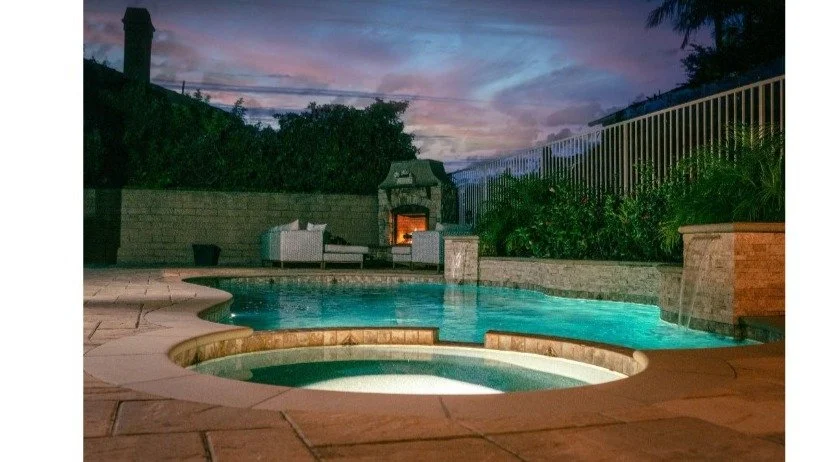
Photo by Marty O’Neill on Unsplash
Many backyards are designed around entertaining large groups, even though most days involve only the household.
That can make the entire space feel too formal for casual use.
Create at least one area that works for a normal morning or evening. A small table for coffee, a comfortable chair for reading, or a shaded corner where someone can sit with a laptop gives the backyard everyday value.
If children use the space, leave enough open room for play rather than filling every section with furniture. If the household has pets, think about where they naturally spend time and whether the layout supports that comfortably.
The best backyard should not need guests before it feels worth using.
If the space works for one person on a quiet Tuesday evening, it will usually work even better when friends arrive on Saturday.
Add Shade Where People Actually Need It
A beautiful seating area can become useless for several hours a day if there is no protection from direct sun.
Umbrellas, pergolas, shade sails, awnings, and strategically placed landscaping can all help, depending on the property. The right solution should cover the places where people actually spend time rather than creating shade in an area nobody uses.
Watch the yard over a full day before making decisions. Morning sun may be pleasant while late-afternoon exposure makes the patio uncomfortable. The direction of the house, nearby trees, and seasonal changes can all affect where shade is needed.
Shade also protects furniture and makes outdoor meals more enjoyable. In warmer climates, it may be the difference between using the backyard regularly and avoiding it until evening.
Practical comfort will always increase use more than decorative improvements alone.
Keep Outdoor Storage Close to the Activity
A backyard becomes harder to use when every session begins with carrying supplies from the garage, basement, or kitchen.
Outdoor storage does not need to be large, but it should handle the things used most often. Grill tools, cushions, games, cleaning supplies, and small gardening items are much more useful when they are already nearby.
Benches with hidden storage, weather-resistant cabinets, or a small shed can reduce clutter without forcing everything indoors.
The same rule applies to cleanup. If outdoor trash, recycling, or cleaning tools are difficult to access, mess tends to sit longer than it should.
Good storage keeps the yard ready for spontaneous use. That matters because people are far more likely to spend an hour outside when doing so does not require twenty minutes of preparation first.
Make the Space Comfortable After Dinner
Many backyards work well during daylight but become less appealing once temperatures drop or insects arrive.
Think about what usually sends everyone back inside. If evenings get chilly, a suitable outdoor heater or fire feature may extend the season. If mosquitoes are the problem, landscaping choices, screens, or other appropriate controls may help make the space more comfortable.
Blankets stored nearby can also make cooler evenings easier without requiring a major installation.
Music can help set the mood, but keep it simple. A small portable speaker is often enough. The goal is creating a space where people naturally linger rather than one overloaded with equipment.
When the outdoor area remains comfortable after the meal ends, the backyard starts functioning more like another room of the house.
Make It Easier to Stay Home
A backyard does not need a pool, elaborate outdoor kitchen, or expensive landscaping to become useful. It needs enough comfort and purpose that staying home feels like a good option rather than a compromise.
Start with the things that create activity: cooking, eating, relaxing, talking, reading, or playing. Then support those activities with lighting, shade, seating, storage, and practical power.
That approach usually works better than decorating first and hoping people eventually find a reason to use the space.
The best backyard is not necessarily the one that photographs beautifully. It is the one where dinner casually turns into another hour outside, where weekends do not always require leaving home, and where the space feels easy enough to use without planning.
Once the yard starts supporting real routines, it stops being background scenery and becomes part of everyday life.