How to Use Layered Lighting in Home Design
Image from: Unsplash
Lighting is an important part of every house. It can transform any space. It sets the mood and highlights key features. Layered lighting is a strategic approach. It involves using multiple light sources. This strategy creates a versatile and dynamic environment. Layered lighting is not just for experts. Anyone can master this powerful strategy. This guide will show you how. It will help you brighten your home.
Ambient Lighting
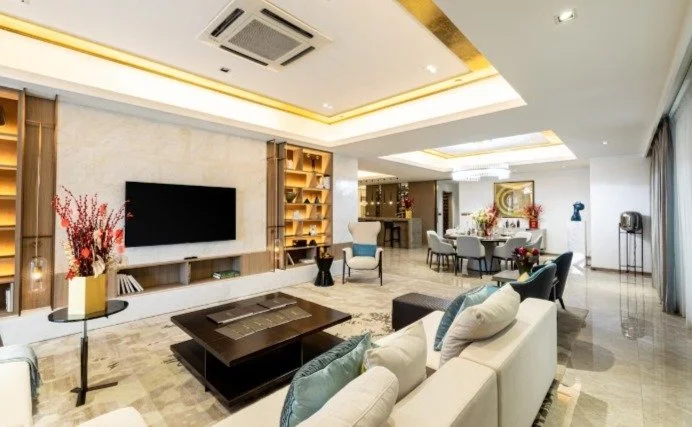
Ambient lighting provides overall illumination. It is the first and most important layer. This light source should be soft and general. It is meant to fill the entire space. It mimics natural daylight. This layer ensures you can see and move around safely. This foundational principle is essential for all modern living room ideas. Common sources include overhead fixtures. These can be LED lamps or flush mount lights. They provide a foundational glow. Other options are ceiling-mounted lights. They can also be a good choice. Ambient light creates a comfortable base. Ceiling-mounted lights eliminate dark shadows in a room. This is an important first step. Without ambient light, other design elements may feel harsh or overwhelming.
Task Lighting
Task lighting is focused on specific activities. Strong, direct light helps with tasks like studying or cooking. In Canada, where days are shorter during the winter, good task lighting makes a home much more comfortable. This principle of focus applies beyond home design. For example, Canadian online casino platforms use clear visual cues to guide players’ attention, much like a desk lamp highlights a workspace. Task lighting simplifies daily activities and enhances your experience, just as focused design improves usability in digital platforms.
The Art of Highlighting
Accent lighting draws attention to features. It is the artistic layer of light. This layer creates visual interest. These could be artwork or architectural details. It is a very powerful design tool. Spotlights are a common choice. Track lighting can also be used. Accent lighting adds depth and drama. It creates a sense of luxury. It makes a home feel like a gallery. It showcases your favorite things. This layer is all about beauty. It is a chance to show your style. It can be aimed at a painting. It can illuminate a plant. It makes the space feel more special. This layer is an expression of you. It makes your home unique. It gives a polished, finished look.
Adding Style and Personality
Decorative lighting is a style statement. It is a layer for personal expression. Decorative lighting options do not always emit a significant amount of light. Their primary purpose is to be beautiful. A fancy chandelier is an example. A stylish wall sconce is another. These pieces add a touch of art. They reflect your unique personality. This layer is all about aesthetics. It makes the space feel more personal. It can be the focal point. This is an opportunity for fun. It brings character and charm. You can choose a bold lamp and select a unique design. This layer can completely change the mood. It is the final decorative touch.
A Cohesive Lighting Plan
The best designs use all three layers. It's about a harmonious blend. Start with your ambient lighting plan. Then add specific task lights. Finally, introduce accent lighting. This creates a rich, layered effect. It provides a flexible environment. You can adjust the light for any moment. It makes your home truly adaptable. It ensures both style and function. The result is a welcoming atmosphere. It is a truly complete design. This plan works for every room. It improves the look and living in your home.