How to Transform Your Outdoor Space Without a Full Renovation
You step outside and notice it again. The space looks tired, not broken exactly, just uneven in a way that makes you stop using it without really deciding to.
Most outdoor areas end up like this over time. They are built once, used often, and then slowly ignored as small wear shows up. The idea of a full renovation feels heavy, expensive, and easy to postpone. So, nothing changes, even when it probably should.
Start with What Already Exists
It is easy to assume that change means tearing everything out and starting over. In reality, most outdoor spaces already have a usable base. The layout is there, the structure holds, and the materials, while worn, are often still functional. What usually needs attention is not the whole space, but the way it has aged. Surfaces fade, edges crack, and colors lose their depth. These are surface-level issues, but they affect how the space feels. When those are addressed, even in small ways, the area starts to look intentional again.
There is also a habit people have of overlooking sections that are still doing their job. A patio might still be solid even if it looks dated. Walkways might feel uneven, but do not need full replacement. Working with what is there tends to reduce both cost and disruption.
When Surface Changes Make a Bigger Difference Than Expected
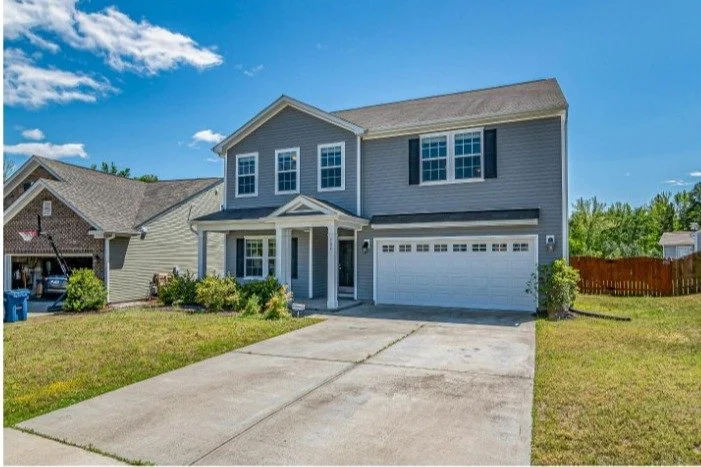
A lot of outdoor transformation comes down to surfaces. The ground you walk on, the areas where you sit, and the space where vehicles rest. These zones take the most wear, so they show the most change over time. Sometimes, something as simple as a concrete driveway installation can shift the entire feel of the property. It is not always about replacing everything. Resurfacing, refinishing, or even adjusting texture and pattern can make a noticeable difference. It changes how light reflects, how clean the space looks, and how it is used day to day.
If you see signs of wear and tiredness on the surface, the chances that the wear goes deeper are high. Cracks widen, sections sink slightly, or drainage becomes uneven. That is when a more structured update, such as installing an all-new concrete driveway, is considered. It is not considered a major overhaul, but a way to stabilize and improve one key area that affects the rest of the space.
Small Layout Adjustments That Change How You Use the Space
Not all improvements are visual. Some are about how the space works. You might have a patio that feels too exposed, or a walkway that cuts across an area in an awkward way. These are not major design flaws, but they affect how often the space gets used.
Shifting a few elements can help. Moving seating areas slightly, redefining edges with simple borders, or even adjusting pathways can make the space feel more usable. It is less about redesigning and more about correcting small mismatches between layout and behavior. People often discover that they avoid certain areas without knowing why. It might be too sunny, too uneven, or just not comfortable to walk across. Fixing those small barriers tends to bring the space back into regular use.
Mixing Materials Without Overcomplicating It
Outdoor spaces benefit from variety, but too much change can make things feel disconnected. The goal is not to introduce entirely new materials everywhere, but to balance what is already present.
For example, a plain surface can be paired with textured elements like pavers or decorative finishes. This adds depth without requiring full replacement. Stamped patterns, subtle color changes, or defined sections can make a space look more considered. There is a tendency to overdo upgrades, especially when inspiration comes from highly styled images online. In practice, simpler changes tend to last longer. They age better and are easier to maintain.
The Role of Maintenance in Transformation
Maintenance is often seen as separate from improvement, but in many cases, it is the same thing. Cleaning, sealing, and minor repairs can bring back a lot of what has been lost over time. A surface that looks worn might just be dirty or faded. A structure that seems unstable might only need reinforcement in a few spots. These are not dramatic fixes, but they add up. Regular upkeep also prevents small issues from becoming larger ones. It keeps materials in better condition, which means fewer major changes are needed later. In a way, maintenance is the quieter part of transformation.
Paying Attention to Edges and Transitions
One detail that often gets missed is how different parts of the space connect. The edges between surfaces, the transition from one area to another, are small but noticeable. Uneven transitions can make a space feel unfinished. Clean, defined edges tend to make everything look more deliberate. This might involve simple adjustments like leveling sections, adding borders, or smoothing out connections between materials. It does not require a full redesign. It just requires attention to how the space flows from one part to another.
Letting the Space Evolve Instead of Forcing It
There is a pressure to complete everything at once, to have a finished result that matches a plan from the start. That approach works for some projects, but not all. Outdoor spaces, especially, tend to benefit from gradual changes. You fix one section, use it, see how it feels, then move on to the next. This allows the space to evolve based on actual use rather than assumptions. It also spreads out the cost and effort. Instead of one large renovation, the transformation happens in stages. Each step builds on the last, and the space improves without feeling disrupted.
When small changes are made thoughtfully, the result is not just visual. The space starts to feel usable again. People spend more time outside, even without planning to. It is not about creating something entirely new. It is about restoring function and comfort in a way that fits how the space is actually used. That tends to last longer than any trend or design style. In the end, transforming an outdoor space does not always require starting over. Most of the time, it just requires paying closer attention to what is already there and making adjustments that bring it back into balance.