How to Train Your Dog Like a Pro: Tips from Expert Trainers
Training a dog can feel overwhelming without the right approach, but expert guidance makes the process both manageable and rewarding. Dogs thrive when their owners use proven strategies to foster obedience, confidence, and mutual trust. A professional approach emphasizes consistency, patience, and tailored methods to help every dog reach its potential while strengthening the bond with its family.
Understanding Canine Psychology
Every successful training program begins with an understanding of how dogs think and learn. Dogs are highly responsive to rewards and repetition, and they quickly associate behaviors with outcomes. Recognizing cues in your dog’s body language allows you to respond appropriately and guide them toward desired actions. When training sessions align with your dog’s instincts, progress becomes smoother and less stressful for both of you.
Consistency is vital in shaping behavior. If a command or response changes depending on the situation, a dog may become confused and less likely to follow through. Establishing clear expectations and maintaining them daily helps build a sense of structure that dogs find comforting. This foundation paves the way for more advanced lessons later on.
Building the Foundation with Basic Commands
A solid training plan starts with simple, fundamental commands. Sit, stay, and come are not only practical but also form the basis for more complex skills. Practicing these consistently teaches a dog that cooperation leads to positive outcomes. This process builds respect and attentiveness, making it easier to teach advanced skills down the line.
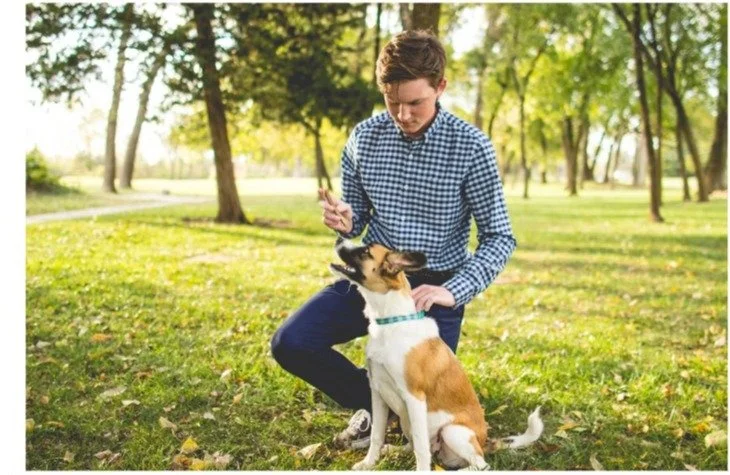
Experts often stress the importance of short, engaging sessions that prevent dogs from becoming bored or distracted. Five to ten minutes of focused work can yield better results than drawn-out lessons. Rewards such as praise, play, or treats reinforce the effort and encourage repetition of good behavior. Once your dog has mastered the basics, it’s easier to transition to more challenging tasks with confidence.
Learning from Professional Trainers
Professional trainers refine their methods over years of experience with different breeds and temperaments. Their ability to adapt strategies to suit individual dogs makes their insight invaluable. Many dog owners have benefited from studying the methods of professional trainers from Tip Top K9 or respected organizations known for blending patience with proven training systems. Observing how professionals balance correction with encouragement can help you replicate their success at home.
Investing in professional guidance is not only about obedience but also about preventing common mistakes. A trainer’s eye can quickly spot areas where communication breaks down and suggest subtle changes that yield immediate improvements. Owners who integrate these lessons often find their dogs respond more quickly and reliably.
Positive Reinforcement and Motivation
At the core of most successful training methods lies positive reinforcement. Dogs repeat behaviors that bring them joy, whether it’s a treat, toy, or simple praise. Studies have shown that reward-based training strengthens the human-animal bond while reducing stress-related behaviors. When a dog feels motivated and secure, learning accelerates naturally.
Motivation should always be tailored to what excites the individual dog. Some thrive on play, while others prefer food or affection. The key is to find what your dog values most and use it consistently as a reward. This keeps training sessions engaging and ensures that lessons stick for the long term.
Addressing Behavioral Challenges
Even well-trained dogs encounter hurdles such as barking, jumping, or leash pulling. Addressing these issues requires patience and a structured plan rather than punishment. Identifying the root cause—whether it’s anxiety, lack of exercise, or misunderstanding—provides clarity and directs the right solution.
Professional trainers often recommend redirecting unwanted behaviors rather than simply suppressing them. Teaching an alternative action, like sitting calmly instead of jumping, gives a dog something positive to focus on. Over time, consistent redirection eliminates problematic habits while preserving trust between you and your pet.
Maintaining Long-Term Success
Training is not a one-time task but an ongoing process. Dogs, like people, need consistent practice to retain and refine their skills. Regular refreshers prevent regression and remind your dog of the expectations you’ve set. Including training in daily routines, from walks to mealtimes, ensures obedience becomes second nature.
Ongoing success also requires adapting as your dog grows and changes. Puppies need frequent reinforcement, while older dogs may need adjustments to accommodate new physical or behavioral needs. The goal is to sustain clear communication and mutual respect throughout your dog’s life, making training an enduring part of your bond.
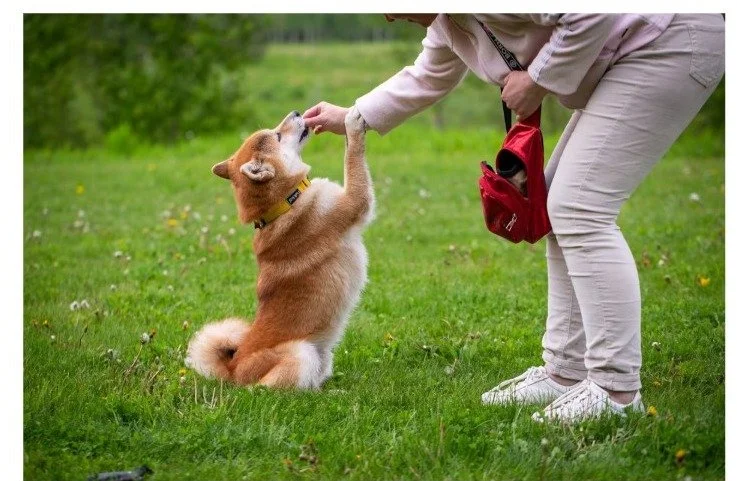
Training with patience, structure, and the right techniques transforms a dog into a confident and cooperative companion. With guidance from expert methods and consistent effort at home, any owner can achieve professional-level results and enjoy the rewards of a well-behaved best friend.