How to Spot Garage Door Issues Before They Start
A garage door opens and closes thousands of times every single year. Regular daily use causes normal wear on mechanical springs, heavy-duty cables, and alignment tracks.
Paying attention to subtle operational signs prevents minor mechanical friction from turning into costly emergency repairs. Simple monthly checks keep system components operating smoothly for many years.

Listening for Unusual Noises During Operation
Overhead doors usually operate with a steady hum during movement. Homeowners looking for reliable garage door repair St. Paul, for example, often catch small mechanical warning signs early. Pay close attention every time the panels move up or down.
Strange squeaks or scraping sounds signal that mechanical components need quick inspection. A published home care resource highlights that unusual sounds reveal significant details about system health. Catching audio cues early prevents sudden breakdown of heavy moving parts.
Heavy grinding sounds warrant immediate attention during daily operation. Industry writing points out that grinding or grating indicates metal friction caused by worn rollers or bearings. Replacing small hardware pieces quickly keeps the primary motor functioning properly without burnout.
Monitoring Movement Speed and Response Delays
Smooth opening motions keep morning commutes running on schedule. Hesitation when pressing the wall switch points toward internal friction or sensor misalignments. Watching the door start up reveals how well the opener handles panel weight.
Sudden pauses during travel signal underlying component stress. An article on door maintenance explains that delayed operations stem from issues like broken opener cords, corroded pulleys, bad rollers, or faulty remote control circuitry. Fixing mechanical failures prevents complete operational stoppage when leaving home.
Consistent movement protects structural integrity during daily use. Sluggish lifting usually signals that counterweight springs are losing tension. Addressing motor strain early avoids expensive structural replacements down the line.
Inspecting Physical Hardware for Wear
Visual checks reveal physical deterioration before major failures occur. Inspect steel cables for fraying threads along their entire length. Rust accumulation around bottom metal brackets reduces total lifting power.
Regular visual checklists should include key hardware elements:
Loose mounting bolts along metal tracks
Cracks in individual door panel sections
Worn rubber weather seals near ground level
Tightening loose hardware keeps tracks aligned correctly during daily motion.
Rollers require regular cleaning to prevent dirt accumulation over months of use. Debris inside side tracks forces the motor to push harder than original factory designs. Clear pathways let panels move smoothly without extra resistance.
Checking Balance and Track Alignment
Balanced panels rest evenly without putting excess weight on side cables. Disconnect the automatic opener to perform a simple manual balance test. Lift the door halfway up manually and let go gently.
Properly balanced doors remain stationary in a halfway open position. Falling rapidly indicates weak counterweight springs that need professional adjustment. Spring tension requires specialized tools for safe mechanical servicing.
Misaligned tracks create uneven gaps along the outer frame edges. Gaps allow drafts inside garage spaces and place severe strain on side rollers. Correct alignment protects total system functionality throughout every season.
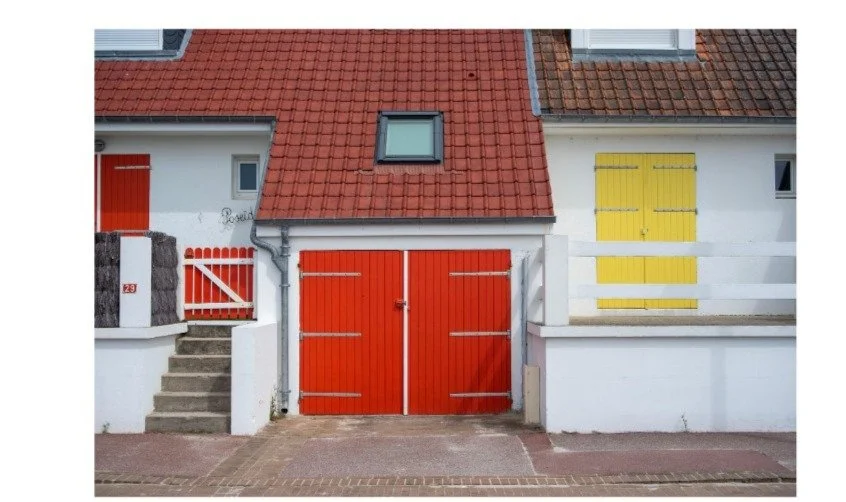
Routine inspection keeps automated overhead doors working safely every single day. Taking five minutes each month saves money on major emergency repairs.
Early detection turns potential structural headaches into simple maintenance tasks. Keep eyes and ears open during everyday operation to protect your home setup.