
How to Prepare Your NYC Apartment for a Furnished Sublet
A furnished sublet can lose appeal when personal belongings crowd closets, furniture blocks movement, or tenants cannot tell what is included. To prepare your NYC apartment for a furnished sublet, create a clean, functional space that feels ready for daily life. The apartment should look welcoming without feeling like someone else’s home. Careful planning also protects your property, reduces misunderstandings, and makes the listing easier to market.
What Should You Remove Before Listing?
Remove personal, valuable, and unnecessary items before photographs or tenant visits. A furnished apartment still needs open space for a temporary resident to unpack, work, cook, and relax comfortably.
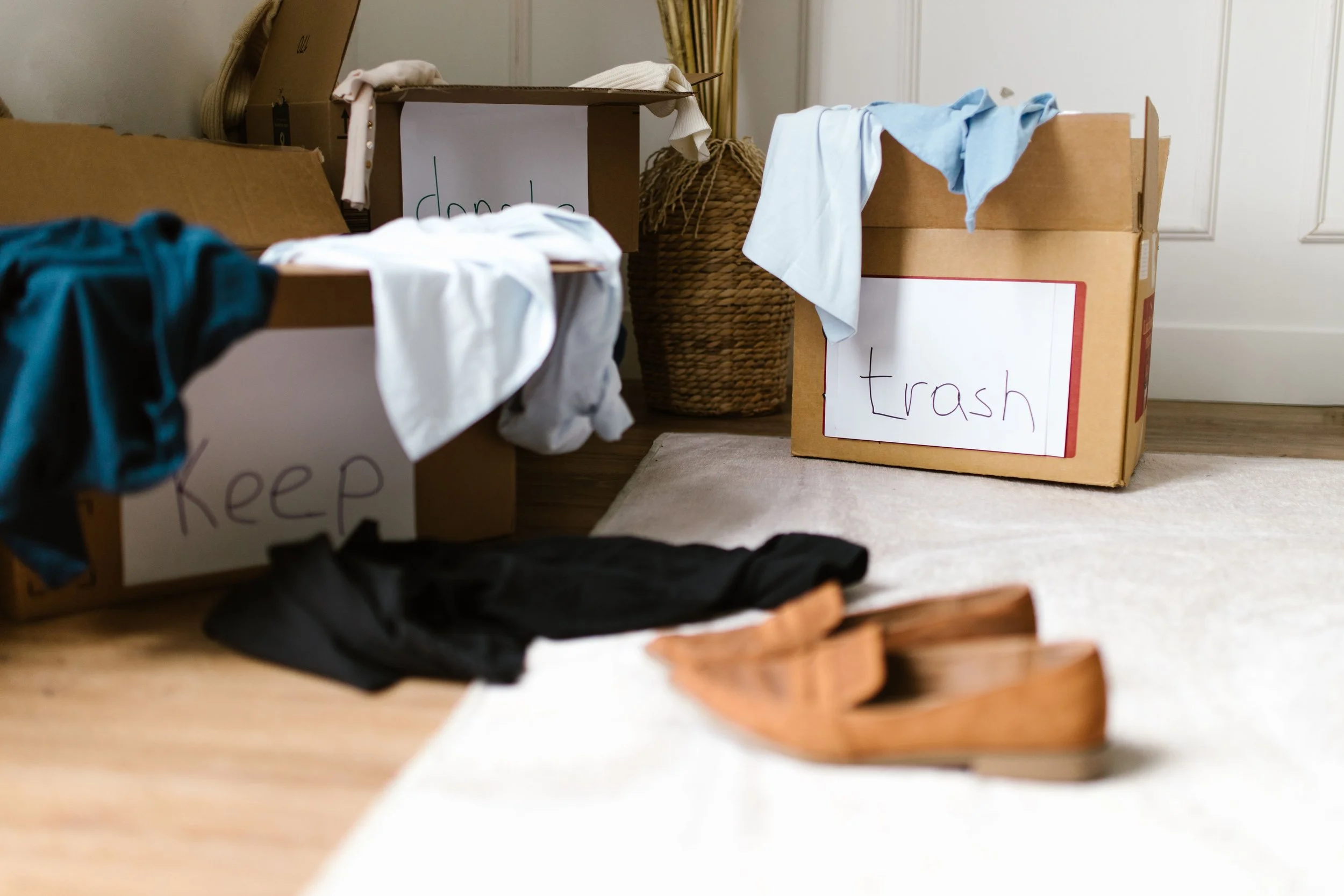
Clear away personal belongings, valuables, and nonessential items before taking photos or showing the apartment.
Make sure to declutter your home before staging: separate everything into items that will stay, items that need storage, and items to donate or discard. Avoid leaving family photographs, paperwork, medication, jewelry, spare keys, or sentimental objects in the apartment.
Clear these areas first:
Entryways and narrow walking paths
Bedroom closets and dresser drawers
Kitchen counters and cabinet shelves
Bathroom storage and medicine cabinets
Desks, nightstands, and open shelving
A tenant does not need every shelf to be empty. However, each room should offer practical storage that is clearly available for use.
Where Should Personal Belongings Go?
Store personal belongings outside the apartment whenever possible. Locked cabinets may work for a few owner items, but they should not consume storage promised in the listing.
Using NYC Mini Storage can help owners protect seasonal clothing, documents, décor, and personal possessions while keeping the furnished sublet open and functional. Choose labeled containers and keep a basic inventory so belongings can be found easily after the sublet ends.
Avoid hiding boxes under beds, behind curtains, or inside every closet. Tenants often discover these spaces during move-in, which can make the apartment feel smaller and create confusion about what they may use.
Which Furniture Should Stay?
Keep furniture that supports daily routines and fits the apartment’s scale. Each room needs a clear purpose, but it does not need to be fully decorated or filled.
Someone relocating to New York for a job may need a comfortable bed, usable desk, reliable seating, functional lighting, and enough storage for several months. A decorative bench or extra side table offers less value when it restricts movement in a small room.
Remove unstable, damaged, oversized, or highly valuable furniture. Replace missing essentials before spending money on decorative upgrades.
How Can the Apartment Feel Inviting?
Use a restrained design that feels warm but flexible. Neutral bedding, clean surfaces, simple artwork, and a few durable accents can add character without cluttering a small apartment.
Avoid strong personal themes, fragile collections, and too many decorative objects. Tenants should imagine living in the space without feeling responsible for protecting an owner’s display pieces.
To prepare your NYC apartment for a furnished sublet, focus on comfort before style. Fresh linens, working lamps, blackout curtains, and a clean sofa often matter more than trendy accessories.

Create a welcoming, low-maintenance space with understated bedding, uncluttered surfaces, simple wall art, and a few sturdy decorative accents.
What Condition Should Everything Be In?
Every included item should be clean, safe, and fully operational. Tenants expect a furnished rental to function from the first night, especially when the rent reflects a ready-to-use home.
Test appliances, faucets, locks, smoke detectors, outlets, heating, cooling, and internet equipment. Tighten loose handles, replace dead bulbs, and repair furniture that wobbles or sticks. Check upholstered items for stains, odors, or damage.
Complete a room-by-room inspection:
Confirm that windows open, close, and lock
Test every appliance and remote control
Check mattresses, linens, and towels
Inspect dishes, cookware, and utensils
Verify that Wi-Fi and television equipment work
Record existing marks, scratches, and defects
Photographs and a written condition report can help both parties distinguish existing wear from new damage.
What Should the Tenant Be Told?
Give the tenant a clear written inventory and practical instructions. A furnished sublet involves more shared property than an empty rental, so vague expectations can create disputes.
The inventory should identify furniture, electronics, kitchenware, linens, keys, and other included items. Note the condition of valuable pieces and attach dated photographs when appropriate.
Provide simple information about:
Building access and package delivery
Rubbish, recycling, and laundry procedures
Internet access and utility responsibilities
Appliance operation and maintenance
Emergency contacts and repair requests
House rules, guests, pets, and smoking
The sublease should explain what happens if an included item breaks. Normal wear, accidental damage, and owner maintenance should not be treated as the same issue.
How Should You Protect Valuable Items?
Remove anything that would be difficult or expensive to replace. A furnished sublet should contain useful belongings, not irreplaceable possessions.
Expensive artwork, designer furniture, personal documents, collectibles, and high-end electronics may require separate storage. When a valuable item must remain, document its condition and include care instructions in writing.
Insurance also deserves attention. Confirm that the property owner, leaseholder, and subtenant understand which policies cover the apartment, belongings, liability, and temporary occupancy. Building or lease rules may limit subletting, so secure written approval before marketing the apartment.

Before you prepare your NYC apartment for a furnished sublet, move valuable items to a secure location.
How Can You Improve the Listing?
Show the apartment exactly as the tenant will receive it. Misleading photographs may attract enquiries, but they can create problems during tours or move-in.
Photograph each room after cleaning, decluttering, repairs, and final furniture placement. Open curtains, switch on lights, and capture useful features such as storage, workspace, laundry access, or an equipped kitchen.
When you prepare your NYC apartment for a furnished sublet, the listing should state what is included, excluded, and charged separately. Mention bed sizes, desk availability, internet service, building amenities, and restrictions. Accurate details help applicants decide whether the apartment suits their needs before scheduling a viewing.
Preparing the Apartment for a Smooth Move-In
Complete one final inspection after the apartment is cleaned and staged. The space should match the listing, inventory, and condition report when the tenant receives the keys. To prepare your NYC apartment for a furnished sublet successfully, leave enough storage, remove personal valuables, test every essential feature, and document the apartment carefully. A thoughtful setup helps the tenant settle in faster while giving the owner stronger protection throughout the sublet period.