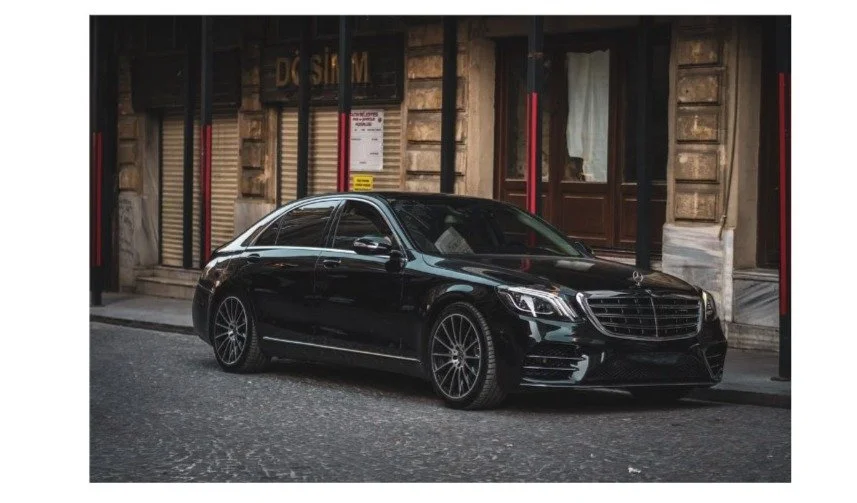
How to Keep Your European Luxury Car Reliable Beyond 100,000 Miles
Owning a European luxury car offers a combination of performance, comfort, advanced technology, and refined engineering. However, keeping these vehicles reliable beyond 100,000 miles requires consistent maintenance and attention to small mechanical issues. Unlike basic vehicle maintenance, European cars often have specialized service requirements that should not be overlooked.
Following mileage-based maintenance for European cars helps owners understand when important components need inspection, servicing, or replacement. Instead of waiting for warning lights or unusual noises, following a planned maintenance schedule can prevent expensive repairs and help extend the vehicle's lifespan.
Here are some tips to keep your car reliable beyond 10000 miles:
1. Follow the Recommended Maintenance Schedule
Every European luxury vehicle has specific maintenance requirements based on its manufacturer, engine type, and model year. Following the recommended service intervals is one of the best ways to protect its performance.
Pay attention to these important maintenance milestones:
30,000 miles: Inspect filters, fluids, brakes, and suspension components.
60,000 miles: Check spark plugs, transmission fluid requirements, belts, and other major components.
90,000 miles: Inspect the cooling system, suspension, engine components, and timing system.
100,000 miles and beyond: Perform a comprehensive inspection to identify aging parts and potential problems.
Expert Tip: Keep a maintenance record with service dates, mileage readings, and replaced components. This makes it easier to identify upcoming maintenance needs.
2. Never Ignore Engine Oil and Fluid Changes
Engine oil protects internal components by reducing friction and controlling heat. As a European luxury car accumulates mileage, regular oil changes become increasingly important.
Always use manufacturer-approved oil with the correct viscosity and specifications. Using unsuitable oil may affect engine performance and long-term reliability.
Other fluids also deserve attention, including:
Brake fluid
Coolant
Power steering fluid, where applicable
Differential fluid
Did You Know? Some European vehicles use specialized oil specifications that differ from ordinary engine oil requirements. Checking the owner's manual before purchasing oil can help prevent compatibility problems.
3. Pay Attention to the Cooling System
Cooling system problems can become particularly expensive if they cause engine overheating. Water pumps, thermostats, radiators, hoses, and expansion tanks may experience wear as a vehicle ages.
After reaching 100,000 miles, these components deserve careful inspection. Look for coolant leaks, temperature fluctuations, unusual smells, or frequent coolant level changes.
Replacing worn components before they fail can help protect the engine from serious damage.
4. Inspect the Transmission and Suspension
European luxury cars are designed to deliver smooth acceleration and comfortable handling. However, transmission and suspension components naturally experience wear over time.
Watch for warning signs such as delayed gear changes, unusual vibrations, clunking sounds, or uneven tire wear.
A professional inspection can identify problems with transmission components, control arms, bushings, shocks, and struts before they affect driving safety.
Quick Tip: If your vehicle starts shifting differently or feels less stable on the road, arrange an inspection rather than assuming it is normal aging.
5. Choose Specialists Familiar with European Vehicles
European luxury vehicles often feature advanced electronics, specialized diagnostic systems, and manufacturer-specific components. This makes choosing an experienced repair facility particularly important.
Owners searching for mileage-based maintenance for European cars should look for technicians familiar with brands such as BMW, Mercedes-Benz, Audi, Porsche, and Volkswagen. A qualified specialist can use appropriate diagnostic equipment, identify developing problems, and recommend maintenance based on the vehicle's condition.
Working with experienced technicians also helps ensure that replacement parts and repair procedures meet the vehicle manufacturer's requirements.
6. Check the Battery and Electrical System
Modern European vehicles depend on sophisticated electrical systems to operate safety features, entertainment systems, sensors, and engine management components.
As the vehicle ages, batteries, alternators, wiring connections, and electronic modules may develop problems.
Have the battery tested regularly and investigate symptoms such as slow starting, flickering lights, or recurring dashboard warnings.
Key Takeaways
Follow the manufacturer's mileage-based maintenance schedule.
Use approved engine oil and suitable replacement fluids.
Inspect the cooling system to prevent overheating.
Check transmission and suspension components regularly.
Choose technicians experienced with European luxury vehicles.
Monitor battery health and electrical system performance.