
How to Construct a Tiny House: A Step-by-Step Guide
Building a tiny house has become an increasingly popular way to create affordable, flexible living space. Whether you’re looking to downsize, build a rental unit, or add a secondary dwelling to your property, the appeal is clear. But constructing a tiny home is more than just a simplified version of building a traditional house—it requires careful planning, efficient design, and attention to detail at every stage.
If you’re wondering how to construct a tiny house the right way, this guide walks you through the full process—from initial planning to final finishes—so you can approach your build with clarity and confidence.
Step 1 – Plan Your Tiny House Build
Before any construction begins, the most important work happens during planning.
Define Purpose and Use
Start by identifying how the tiny house will be used. Will it serve as a primary residence, a rental unit, a guest house, or an accessory dwelling unit (ADU)? Your intended use will influence everything from layout to legal requirements.
Choose Between Wheels or Foundation
Tiny homes can be built on trailers or permanent foundations. Homes on wheels offer mobility and fewer regulatory hurdles, while foundation-based homes provide stability, long-term value, and easier access to utilities.
Understand Zoning and Regulations
Local zoning laws and building codes can significantly impact your project. Some areas have strict requirements for minimum square footage, permits, and utility connections. Addressing these early helps you avoid delays and costly revisions later.
Step 2 – Design Your Layout and Structure
Design is where functionality meets creativity, especially in a small space.
Optimize Space Efficiently
Every square foot matters in a tiny house. Multi-functional furniture, built-in storage, and open layouts help maximize usability without making the space feel cramped.
Choose Materials and Features
Material selection affects both cost and durability. Lightweight yet strong materials are often preferred for tiny homes, especially those built on trailers. Energy-efficient windows and insulation also improve long-term comfort.
Work With a Professional Builder
For homeowners who want a streamlined process and full compliance with local requirements, working with an experienced Tiny Home Builder like Golden State ADUs can help ensure your design, permits, and construction are handled correctly from the start.
Step 3 – Prepare the Foundation or Trailer
The base of your tiny house determines its stability and longevity.
Trailer Setup (For Mobile Tiny Homes)
If building on wheels, you’ll need a properly rated trailer that can support the structure’s weight. Proper weight distribution is critical for safe transport and structural integrity.
Foundation Work (For Permanent Structures)
Foundation-based tiny homes typically require concrete slabs or pier systems. This phase also includes planning for utility connections such as water, sewer, and electricity.
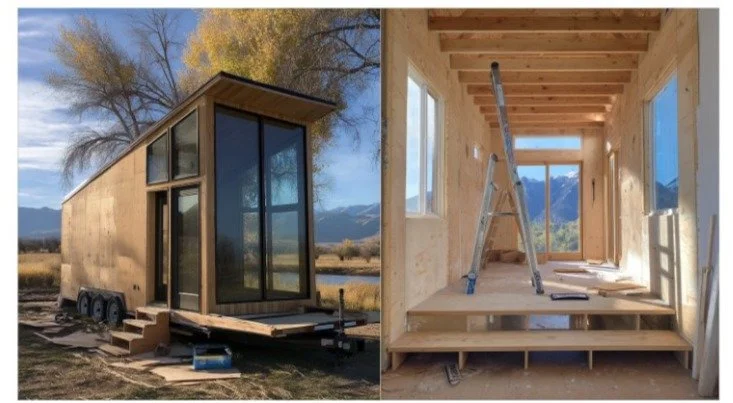
Step 4 – Frame the Structure
Framing forms the skeleton of your tiny home.
Wall, Floor, and Roof Framing
Strong framing ensures the home is structurally sound and can handle environmental factors. Precision is key, as small errors can affect the entire build.
Install Windows and Doors
Windows and doors should be installed early to protect the interior and allow for proper sealing. They also play a major role in lighting, ventilation, and energy efficiency.
Step 5 – Install Plumbing, Electrical, and HVAC
These systems bring functionality to your space.
Electrical Wiring and Panel Setup
Plan your electrical layout carefully to accommodate lighting, appliances, and outlets. Tiny homes require efficient electrical planning due to limited space.
Plumbing Systems
Installing plumbing in a compact layout requires strategic placement to maximize efficiency and reduce complexity.
Heating and Cooling Options
Mini-split systems, space heaters, and proper ventilation are common solutions for maintaining comfort in a tiny home.
Step 6 – Insulation and Interior Build-Out
This stage transforms the structure into a livable environment.
Insulation Types and Benefits
Proper insulation improves energy efficiency and temperature control. Options like spray foam or rigid foam are often used for their performance in small spaces.
Drywall, Flooring, and Cabinetry
Installing interior surfaces and built-ins brings the design together. Custom cabinetry and storage solutions are especially important in tiny homes.
Step 7 – Interior Finishing and Painting
The final stage is where your tiny house truly comes to life.
Final Touches That Define the Space
Paint, trim, and fixtures have a major impact on how the space feels. Light colors can make a small area feel larger, while clean finishes create a polished look.
Why Professional Painting Matters
A high-quality finish can elevate the entire interior. Many homeowners choose experienced professionals like Cover Pro Painting to handle this stage, ensuring even coverage, durability, and a refined final appearance.

Step 8 – Final Inspections and Move-In
Before moving in, it’s important to complete all final checks.
Passing Inspections and Code Compliance
If your tiny home is on a foundation, it will likely need to pass inspections to meet local building codes. This step ensures safety and legal compliance.
Preparing for Occupancy
Final walkthroughs, utility checks, and small adjustments prepare your tiny home for everyday use.
Common Mistakes to Avoid When Building a Tiny House
Even well-planned projects can run into issues without the right approach.
Skipping Permits or Planning
Overlooking legal requirements can delay your project and create unnecessary complications.
Underestimating Costs
Unexpected expenses can arise, especially with materials and labor. Building a buffer into your budget is essential.
Poor Space Planning
Inefficient layouts can make a tiny home feel restrictive. Thoughtful design is key to comfort.
Trying to DIY Everything
While DIY can save money, attempting every part of the build without experience can lead to costly mistakes.
Final Thoughts: Building a Tiny House the Right Way
Constructing a tiny house is a rewarding project when approached with the right mindset. It requires careful planning, smart design decisions, and attention to detail throughout each phase of construction.
By understanding the full process—from foundation to finishing—you can avoid common pitfalls and create a space that is both functional and enjoyable. Whether you choose to build it yourself or work with experienced professionals, the goal is the same: a well-built tiny home that fits your lifestyle and stands the test of time.