How to Choose Sweaters for Layering, Comfort, and Everyday Style
Key Takeaways
A versatile sweater can serve as a complete outfit top, an indoor layer, or an added source of warmth under outerwear.
Torrid offers sweater options in sizes 10–30, including different weights, silhouettes, and necklines.
Choose knit weight based on the weather, setting, and whether the sweater will be worn alone or layered.
Check shoulder, bust, sleeve, and torso fit while sitting, reaching, and moving to ensure everyday comfort.
Compare silhouettes such as pullovers, cardigans, tunics, cropped sweaters, shrugs, and relaxed styles based on your outfit needs.
Review fabric content and care instructions before purchasing to understand maintenance requirements.
Look for colors and designs that coordinate with existing wardrobe pieces and can be used to create several outfits.
A dependable sweater does more than add warmth. It can be a complete top, an easy indoor layer, or the piece that makes a favorite outfit work in cooler weather. When browsing cozy sweaters in sizes 10–30, it helps to look beyond color first and consider how the knit will fit into your daily routine. The most useful choice is not necessarily the thickest or most trend-driven option. A sweater should feel comfortable through normal movement, suit the temperatures you experience, and pair easily with bottoms, shirts, jackets, and shoes already in your wardrobe.
Why Sweaters Still Earn a Place in Everyday Wardrobes
Sweaters remain flexible because they can adapt to changing settings and temperatures. A fine-knit pullover can look polished with trousers, while a cardigan provides a removable layer for the office, a restaurant, or a long day of travel. The basic construction of a sweater also makes it well suited to layering, since knit fabrics can provide warmth while allowing varying levels of stretch, texture, and drape. Instead of choosing a sweater for a specific occasion, look for one that can work with several outfits. A style that works with denim on a casual day and with a skirt or tailored pants later in the week usually earns more space in the closet.
Choose a Sweater Based on How It Will Be Used
Start with function before focusing on a favorite shade or eye-catching texture. Think about where you will wear the sweater most often and what you are likely to wear underneath it.
Everyday wear: Choose soft, medium-weight knits that work with jeans, trousers, skirts, and casual shoes.
Work outfits: Look for smoother knits, clean necklines, and cardigans that layer easily over blouses or shirts.
Travel: Prioritize comfortable fabrics, easy care, and shapes that do not feel restrictive while sitting.
Cold weather: Select warmer knits with enough room to layer under a coat or jacket.
Indoor layering: Choose lightweight pieces that can be removed without disrupting the rest of the outfit.
Match Knit Weight to the Weather
Thicker is not automatically better. A chunky sweater can be cozy outdoors, but it may feel too warm inside or bunch under outerwear. Matching the knit weight to the setting makes a sweater more practical.
Lightweight knits: Useful in mild weather, warm offices, and layered outfits.
Medium-weight knits: Often work well as standalone tops in cool conditions.
Chunky knits: Add warmth and visual texture, but need more room under coats.
Open-stitch designs: Allow airflow and may require a camisole, tank top, or fitted shirt underneath.
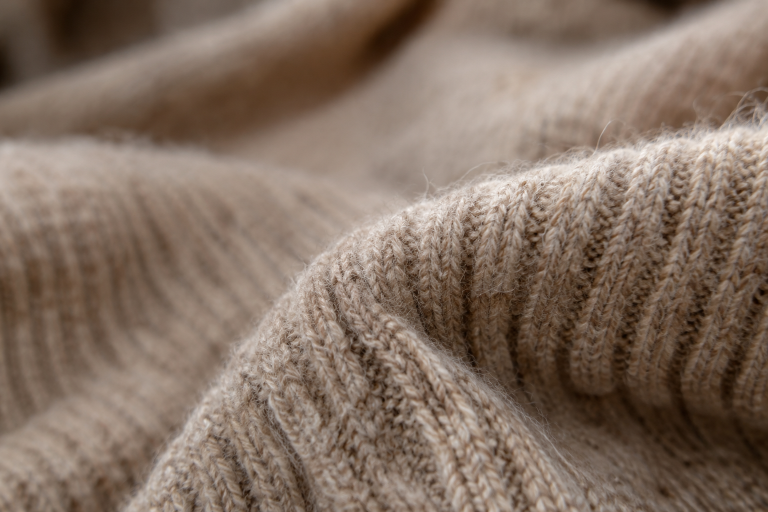
Ribbed knits: Add texture and offer comfortable stretch throughout the body and sleeves.
Check the Fit in More Than One Position
Try a sweater on while sitting, reaching forward, lifting your arms, and bending slightly. A knit that looks right while standing can still feel tight across the shoulders or ride up at the hem during regular activity. Wear the type of base layer you expect to use when checking fit.
Shoulder seams should sit comfortably and allow easy arm movement.
The bust area should lie smoothly without pulling or stretching the knit pattern.
Sleeves should bend comfortably at the elbows and leave room at the upper arms.
The torso should skim, drape, or fit close to the body as the design intends.
The hem should remain at a comfortable length after sitting or reaching.
Compare Common Sweater Silhouettes
Different sweater shapes create different proportions. Pullovers are simple complete tops, while cardigans are especially useful when temperatures change throughout the day. Tunic-length styles offer added coverage and often pair well with slimmer bottoms. Cropped sweaters naturally complement high-rise pants and skirts, while shrugs and boleros add coverage over a dress or sleeveless top without hiding it. Relaxed and drop-shoulder silhouettes can feel easy through the upper body. Balance their volume with straighter jeans, leggings, or a more streamlined skirt when you want the outfit to feel defined rather than oversized.
Use Necklines to Shape an Outfit
Crew necks: Classic, versatile, and easy to layer over a simple base top.
V-necks: Create an open neckline that works well with necklaces or collared shirts.
Turtlenecks: Add warmth at the neck and create a more covered look.
Collared sweaters: Bring structure to casual jeans or relaxed trousers.
Wrap-inspired necklines: Use diagonal lines for a softer, more draped effect.
Build Layers Without Extra Bulk
Begin with the thinnest layer closest to the body.
Place smooth fabrics under textured or chunky knits.
Check the shoulders and armholes before adding a jacket or coat.
Use slightly different lengths so the layers look intentional.
Let one piece provide most of the texture and keep the other pieces simpler.
For an easy everyday combination, wear a lightweight shirt under a medium-weight crew neck with straight-leg trousers. A cardigan can function as an indoor alternative to a jacket, while a thicker pullover may be enough as the top layer on a mild day.
Try Simple Outfit Formulas
Relaxed pullover, straight-leg jeans, and sneakers for an uncomplicated daily outfit.
Cardigan, blouse, and tailored trousers for a flexible work or smart-casual option.
Tunic sweater, leggings, and boots when extra length is preferred.
Cropped sweater and a high-rise skirt to create a clear waistline.
Fine-knit turtleneck, jacket, and wide-leg trousers for a streamlined layered look.
Review Fabric Details and Care Needs
Read the fiber-content and care labels before buying. They can tell you whether a sweater can be machine washed, whether it needs more delicate handling, and how much maintenance it may require for your routine. Check the cuffs, collar, and hem for recovery after a gentle stretch, as these areas are subject to frequent wear. When possible, store knitwear folded rather than hanging it for long periods, especially if the sweater is heavy. If pills appear on the surface, use a sweater comb or fabric shaver gently to avoid damaging the knit.
Use a Practical Sweater Buying Checklist
Where will you wear it most often?
Will you wear it alone or over another top?
Does its weight suit the temperatures you expect?
Does the fabric feel comfortable against your skin?
Can you move freely through the shoulders, arms, torso, and hips?
Does the length work with your usual pants, skirts, or leggings?
Can you care for it without excessive time or cost?
Can you style it into at least three outfits?
Frequently Asked Questions
What Is the Best Sweater Weight for Everyday Wear?
Medium-weight knits are often the most adaptable option. They can work alone in cool weather and still fit beneath many jackets.
Should a Sweater Fit Loosely or Close to the Body?
It depends on its role. A close-fitting knit is useful under jackets, while a relaxed style can work well as the main layer. Comfortable movement matters more than fitting into one category.
How Can a Sweater Look Polished Without Feeling Formal?
Choose a clean neckline, pair it with structured trousers or a simple skirt, and keep the colors coordinated. Neat shoes can also make a relaxed knit feel more intentional.
What Should Be Worn Under an Open-Stitch Sweater?
A camisole, tank top, or smooth fitted shirt can provide coverage without creating too much bulk. Choose the base layer according to the sweater’s openness and the setting.
Conclusion
The best sweater is the one that fits your weather, movement, lifestyle, and existing wardrobe. By checking knit weight, silhouette, neckline, fabric feel, care needs, and layering room, you can choose pieces that stay comfortable and useful well beyond the first wear. Consider how often you plan to wear each style and whether it works for different settings, such as the office, casual outings, travel, or relaxing at home. A lightweight knit may be easier to layer under a jacket, while a thicker sweater can serve as the main warm piece on cooler days. Pay attention to sleeve length, shoulder fit, and hem placement to avoid discomfort during everyday activities. Choosing versatile colors and designs can also make outfit planning simpler, helping you get more use from each sweater throughout the season.