How to Choose a Signature Fragrance by Scent Family, Mood, and Occasion
Key Takeaways
A signature fragrance should suit your preferences, routine, and comfort level.
Scent families make it easier to narrow a large selection into a few promising styles.
Perfume changes from the first spray to the dry-down, so skin testing matters.
Weather, setting, and desired mood can help guide your choice.
A small rotation of fragrances can be more practical than one scent for every situation.
Samples and travel sizes are useful before committing to a full bottle.
Table of Contents
What Makes a Signature Scent Feel Personal?
Start With Scent Families
Match Fragrance to Mood
Choose a Scent for the Occasion
Test Fragrance the Right Way
Compare Fragrance Strengths
Build a Simple Fragrance Wardrobe
Avoid Common Buying Mistakes
Create a Personal Testing Routine
Final Thoughts
What Makes a Signature Scent Feel Personal?
A signature scent is simply a fragrance that feels recognizably like you. It may be the perfume you wear most days, the one people associate with you, or a dependable scent you reach for when you want to feel put together. Exploring a mystical perfume collection can be a useful reminder that fragrance is not only about smelling pleasant. It can also be about memory, mood, ritual, and personal style.
The best signature fragrance is rarely chosen because it is popular or expensive. A clean citrus scent may feel right for someone who wants clarity and energy, while a soft musk may feel more natural for someone who prefers a quiet, close-to-the-skin presence. You can also treat a signature scent as a small group of familiar options rather than one bottle worn in every setting.
For example, you might choose a subtle woody musk for the office and reserve a warmer amber fragrance for dinners or evenings out. Both can feel authentic to your style because they serve different parts of your routine.
Start With Scent Families
When a perfume counter or website feels overwhelming, scent families provide a helpful starting point. A fragrance wheel organizes related scent styles so you can compare broad impressions before trying individual perfumes. You do not need to memorize every note. Start by noticing the categories that sound appealing.
Fresh: Citrus, green, watery, aromatic, or crisp impressions that often feel bright and airy.
Floral: Profiles centered on flowers such as rose, jasmine, iris, orange blossom, or tuberose.
Woody: Cedar, sandalwood, vetiver, pine, and earthy materials that can feel dry, smooth, or grounded.
Amber: Warm, resinous, sweet, smoky, balsamic, or vanilla-like compositions.
Fruity: Juicy, tart, soft, or jammy fruit impressions that can add brightness and playfulness.
Spicy: Pepper, cardamom, cinnamon, clove, and aromatic notes that bring warmth or contrast.
Musk: Smooth, powdery, clean, soft, or skin-like effects that often sit close to the body.
Match Fragrance to Mood
Fragrance cannot create a personality, but it can support the feeling you want to bring into a day. Fresh citrus, tea, and green notes can suit a focused morning or a warm afternoon. Gentle florals and soft musks may feel calming when you want something personal rather than attention-grabbing.
For a more assured or cozy mood, look toward woods, spices, amber, and deeper vanilla styles. The goal is not to follow rigid rules. If a bright floral makes you feel confident at night, or a smoky wood feels perfect on a rainy morning, that response matters more than traditional fragrance advice.
Choose a Scent for the Occasion
Think about the space you will share with other people and how long you expect to wear the fragrance. A scent that feels beautiful on a night out may be too strong for a small office, a long flight, or a medical appointment.
Work and shared spaces: Choose balanced, moderate scents such as clean musks, light woods, tea notes, or soft citrus.
Daytime errands: Fresh, fruity, floral, and lighter woody fragrances can feel easy and adaptable.
Date nights: Consider smoother, warmer, or more textured scents with amber, woods, spice, or floral depth.
Formal events: Choose something polished and familiar that remains noticeable without filling the room.
Travel: Bring a small format and apply lightly, especially in enclosed spaces.
Test Fragrance the Right Way
A note list can suggest a perfume's direction, but it cannot tell you exactly how it will feel on your skin. Perfume is commonly described in terms of an opening, a middle development, and a later dry-down, so the first few seconds are only part of the experience.
Start with no more than two or three fragrances on skin at one time.
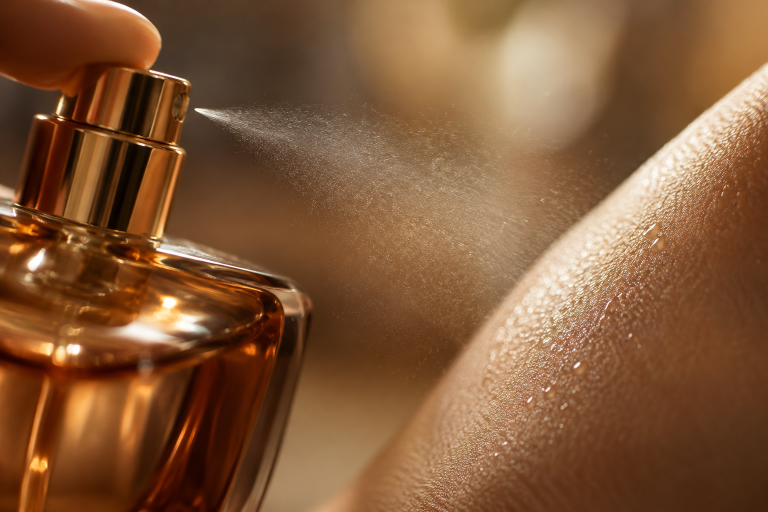
Spray each option on a separate wrist or inner elbow, then avoid rubbing it in.
Notice the scent after about 15 minutes, again after an hour, and later in the day.
Pay attention to comfort as well as smell. A fragrance should not feel distracting or overwhelming.
Wear your favorite candidate's shirt on an ordinary day before purchasing a large bottle.
Compare Fragrance Strengths
Labels such as eau de toilette, eau de parfum, parfum, cologne, body mist, and hair fragrance can help set expectations, but they do not guarantee a fixed level of longevity or projection. Formulas differ, and skin moisture, heat, humidity, clothing, and application amount all affect how a scent wears.
In general, lighter formats can be convenient for hot weather, exercise, and close spaces. Richer formulas may feel more satisfying in cool air or when worn in the evening. Rather than assuming one concentration is better, choose the format that fits the situation and your desired intensity.
Build a Simple Fragrance Wardrobe
You do not need a crowded shelf to have options. A simple fragrance wardrobe can make daily choices easier while allowing your scent to match the season, setting, and mood.
Everyday scent: A comfortable fragrance that works for your regular routine.
Warm-weather scent: A brighter, lighter option for heat and outdoor time.
Evening scent: A richer fragrance for dinners, celebrations, or colder months.
Comfort scent: A familiar choice you wear at home or whenever you want a sense of ease.
Avoid Common Buying Mistakes
One of the most common mistakes is buying a fragrance based only on online popularity, packaging, or a quick spray on paper. Blotters are useful for an initial comparison, but they cannot show how a perfume develops on you over time.
Also, avoid testing too many scents in one visit. Your sense of smell can become fatigued, making different perfumes harder to distinguish. Do not assume strong projection means high quality, and do not ignore headaches, irritation, or discomfort. If a fragrance does not feel good to wear, it is not the right choice for you.
Create a Personal Testing Routine
List five smells you already enjoy, including perfumes, candles, soaps, foods, or outdoor scents.
Look for recurring qualities, such as citrus, rose, vanilla, woods, spice, or clean musk.
Choose two scent families that match those preferences.
Sample three fragrances from each family over several days.
Keep brief notes on comfort, mood, performance, and whether you wanted to smell the fragrance again.
Choose the option that remains enjoyable after repeated wear, not just the one with the most dramatic first impression.
Final Thoughts
Choosing a signature fragrance does not require expert vocabulary or strict rules. Begin with scent families, consider your mood and setting, and give each promising option enough time on skin. Whether you settle on one reliable bottle or rotate a few favorites, the right fragrance is the one that continues to feel comfortable, expressive, and genuinely yours.