How To Build A Personal Fragrance Wardrobe
Key Takeaways
A useful fragrance wardrobe can begin with four thoughtfully chosen scents.
Give every fragrance a role, such as work, warm weather, evenings, or travel.
Test perfume on skin and allow time for the scent to develop before buying.
Choose contrast between bottles instead of collecting several nearly identical scents.
Store fragrance away from heat, sunlight, and moisture.
A personal fragrance wardrobe is a small collection of scents selected for different parts of your life. Like clothing, the goal is not to own everything. It is to have the right option when you need it. Learning a few useful perfume facts can also make it easier to choose scents with confidence and use them well.
Your collection can be simple, personal, and budget-aware. Rather than chasing every new release, choose fragrances that suit your routine, your preferred scent profiles, and the places where you spend time.
What Is a Fragrance Wardrobe?
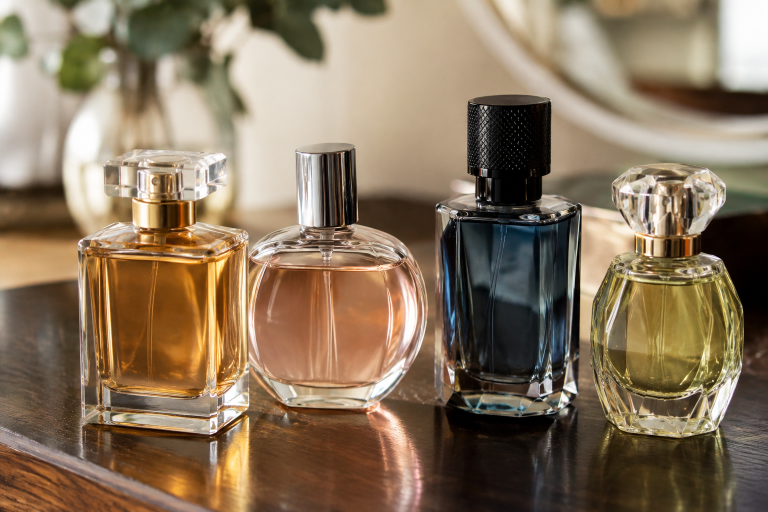
A fragrance wardrobe is a planned group of perfumes that gives you options without creating clutter. You might wear one scent for a quiet workday, another for dinner, and a fresher option during hot weather. Perfume is commonly described through scent families and notes, which can help you compare styles, although your own reaction matters more than category labels.
Think of your wardrobe as a practical rotation. Each bottle should feel distinct enough that you can quickly choose one based on your mood, schedule, or surroundings.
Why a Small Collection Works
A smaller collection makes it easier to understand what you actually enjoy. It also reduces duplicate purchases, especially when several bottles share the same sweet, woody, floral, or clean character. Samples and travel sizes can be especially useful when you want variety without committing to a full bottle.
Four to six fragrances can cover many routines while leaving room to explore. A concise collection also makes it more likely that you will wear and appreciate what you already own.
Choose Roles Before Buying
Before adding a new scent, decide what job it will do. This turns fragrance shopping into a considered choice rather than an impulse purchase.
Everyday scent: Comfortable, flexible, and easy to reach for.
Work scent: Soft enough for shared spaces and close conversations.
Evening scent: More expressive for dinners, events, or celebrations.
Warm-weather scent: Fresh, green, citrus-led, or airy.
Cold-weather scent: Woody, amber-like, spicy, or softly sweet.
Wild-card scent: Something unusual that brings variety to the collection.
Start With Four Practical Scent Profiles
Fresh and Clean
Fresh scents often suit daytime errands, commuting, travel, and warm conditions. Look for profiles that feel crisp, light, or soap-like if you want an uncomplicated daily option.
Floral and Soft
Floral fragrances can be delicate, creamy, green, powdery, or dramatic. Sampling is important because one floral style may feel perfect while another may not suit your taste at all.
Woody and Dry
Woody profiles can feel polished and grounded. They are often useful for work, cooler days, or anyone who prefers a less sweet direction.
Warm and Sweet
Vanilla, resinous, spicy, and musky styles can create a cozy or bold effect. Use a lighter application when you will be in a small room, vehicle, or crowded venue.
How to Test Perfume Before Purchasing
A paper strip can provide a first impression, but wearing a fragrance on skin gives you a better sense of how it develops over several hours. Fragrances are often structured around top, heart, and base notes, so the opening is not the complete experience. The general background of perfume composition and fragrance notes can make this progression easier to understand.
Test no more than two or three scents in one visit.
Apply your finalists to clean skin.
Give each one time before judging it.
Notice whether you enjoy the dry-down, not only the first few minutes.
Ask whether it fits your real routine and not just the store atmosphere.
If a fragrance causes irritation or other unwanted symptoms, stop using it. Some people are sensitive to fragrance ingredients, and the FDA notes that cosmetics can provoke allergic reactions in some consumers.
Match Fragrance to Weather and Setting
Temperature, ventilation, activity, and room size affect how a fragrance is experienced. Use the setting as a guide:
Office: Choose clean, soft, or lightly woody scents, applied sparingly.
Hot weather: Reach for fresh, green, aquatic, or citrus-style options.
Cold weather: Consider warm woods, spice, musk, or gentle sweetness.
Evening events: Wear a richer scent, but match your application to the venue.
Travel: Pack a versatile travel spray rather than a large bottle.
Try Layering Without Overdoing It
Layering can create more variety from fewer bottles, but restraint is important. Start with one familiar fragrance and add a lighter second scent using fewer sprays than usual. A fresh scent with soft musk, a floral with subtle wood notes, or a warm scent with an airy note can work well. Test combinations at home first, and keep notes on the pairings you would wear again.
Store Perfume the Right Way
Keep bottles upright, tightly closed, and protected from direct sunlight, humidity, and extreme temperature fluctuations. A drawer, closet shelf, or closed cabinet is generally a better choice than a windowsill, bathroom counter, or hot car.
Common Fragrance Wardrobe Mistakes
Buying a full bottle after one quick spray.
Choosing popularity over personal preference.
Adding scents that overlap too much with bottles you own.
Using heavy application in shared spaces.
Assuming a fragrance will smell identical on every wearer.
Storing bottles where heat and sunlight can affect them.
Simple Questions to Ask Before Buying
Where will I realistically wear this?
What does it add that my current collection lacks?
Have I tested it on skin for several hours?
Would a sample or a travel-size option meet my needs first?
Will I still enjoy it after the opening fades?
Frequently Asked Questions
How many fragrances should a wardrobe have?
There is no fixed number. Four to six well-chosen options can serve many people, while others may prefer only one or two reliable scents.
Is a fragrance wardrobe better than a signature scent?
Neither approach is automatically better. A signature scent is simple and familiar, while a wardrobe provides flexibility for different seasons and settings.
Should fragrance match gender labels?
No. Choose scents based on what you enjoy wearing and how they fit the occasion.
Final Checklist
Build slowly: choose one easy daytime scent, one work-friendly option, one evening fragrance, and one seasonal or unexpected choice. Test before buying, avoid unnecessary overlap, apply with consideration for others, and store every bottle carefully. A well-planned fragrance wardrobe should make getting ready feel easier, more personal, and more enjoyable.