How Professional Lawn Care Protects Your Lawn During Heat and Drought
Recognizing Symptoms of Heat Stress in Grass
When the mercury climbs, your lawn starts to show it. Look for a dull, bluish-green color first. This is the grass conserving energy. Soon after, you might see yellow or brown patches popping up. These spots often appear in the sunniest or driest parts of your yard. Wilting grass blades that fold or curl are another clear sign. They're trying to hold onto every drop of moisture. Even how the grass springs back when you walk on it changes. If footprints linger, it's a strong indicator of heat stress.
Differentiating Between Temporary Stress and Permanent Damage
It's important to know if your lawn is just thirsty or if it's in serious trouble. Temporary stress means the grass is struggling but can recover with proper care. Permanent damage means the grass has died and needs to be replaced. Quick action is key. If you notice the signs of heat stress early and provide adequate water and care, your lawn can bounce back. However, prolonged neglect during extreme heat can lead to irreversible damage, turning vibrant green patches into bare, brown spots.
How Extreme Heat Affects Grass Health
Extreme heat puts a massive strain on grass. It slows down growth and stops photosynthesis, the process grass uses to make food. This depletes the grass's energy reserves. When this happens, the grass becomes weak and more vulnerable. Pests and diseases can easily take hold in weakened turf. Soil compaction makes things worse. It prevents water from reaching the roots, making the grass even more susceptible to drought and heat. A healthy lawn needs healthy roots, and extreme heat directly impacts root development.
Essential Watering Strategies for Heatwaves
Optimal Times for Watering Your Lawn
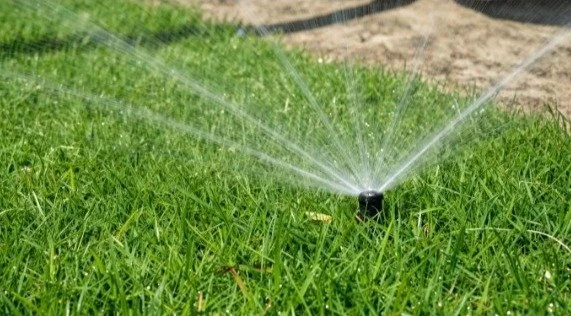
When the sun beats down relentlessly, knowing when to water is key. The best times to give your lawn a drink are early in the morning, before the day heats up, or late in the evening after the sun has set. This timing is important because it lets the water soak in without evaporating too quickly. Watering during the hottest part of the day is generally a waste, as much of it will just disappear into the air.
Think of it like this: you wouldn't want to drink a big glass of water and then immediately go run a marathon in the desert. Your lawn needs time to absorb the water it's given. Watering during these cooler periods helps the grass and soil absorb the moisture more effectively. This practice is a simple but powerful way to combat heat stress and keep your lawn looking its best.
This approach helps the grass blades dry off before nightfall, which can prevent fungal diseases from taking hold. So, setting your sprinklers for dawn or dusk is a smart move for a healthier lawn during hot spells. It’s a small adjustment that makes a big difference.
The Importance of Deep Watering Techniques
Shallow, frequent watering might seem like a good idea, but it actually encourages grass roots to stay near the surface. During heatwaves, this is a problem because the top layer of soil dries out quickly. Deep watering, on the other hand, encourages roots to grow further down into the soil, where there's more moisture and cooler temperatures.
To achieve deep watering, you need to let your sprinklers run for a longer period in one spot. The goal is to moisten the soil several inches down. A good rule of thumb is to aim for about one inch of water per week, but delivered in one or two sessions rather than daily sprinkles. This helps build a more resilient lawn that can better withstand dry spells.
This method is especially important for professional lawn care services, as they understand the long-term benefits of encouraging deep root systems. It’s not just about quenching thirst; it’s about building a stronger foundation for your grass to survive tough conditions.
Maximizing Water Efficiency with Irrigation Systems
Modern irrigation systems can be a game-changer when it comes to watering your lawn effectively, especially during heatwaves. These systems can be programmed to water at the optimal times, like early morning or late evening, and can be adjusted to deliver the right amount of water. Many systems even have sensors that detect rainfall, so they won't water when it's not needed, saving water and money.
Smart irrigation controllers, for example, use weather data to adjust watering schedules automatically. This means your lawn gets the water it needs without overwatering. This kind of precision is what separates good lawn care from great lawn care, particularly when water conservation is a concern.
Using an efficient irrigation system is a proactive step in managing your lawn's water needs during periods of high temperatures. It takes the guesswork out of watering and helps ensure your grass stays healthy and hydrated without wasting a precious resource. It's a smart investment for any homeowner looking to maintain a beautiful yard.
Smart Mowing Practices for Summer Survival
Adjusting Mower Height for Moisture Retention
When the summer sun really starts beating down, it’s time to rethink how you mow. Raising your mower’s cutting height is a simple but effective way to help your lawn survive the heat. Taller grass blades offer more shade to the soil underneath, which means less water evaporates. This helps keep the ground moist for longer periods. Plus, longer grass encourages deeper root growth, making your lawn tougher and better able to handle dry spells. Think of it as giving your grass a natural umbrella and a stronger foundation.
Reducing Mowing Frequency During Stressful Periods
During periods of intense heat and drought, your lawn is already under a lot of stress. Constantly cutting it back can just make things worse. It’s a good idea to mow less often when the weather is extreme. This gives the grass a chance to recover and grow a bit without the added strain of being trimmed. Less frequent mowing also means the grass blades stay longer, which, as we mentioned, helps with moisture retention and soil shading. It’s all about letting the lawn catch a break when it needs it most.
The Benefits of Grasscycling Clippings
Instead of bagging up all those grass clippings after you mow, consider leaving them on the lawn. This practice, called grasscycling, is like giving your lawn a little nutrient boost. As the clippings break down, they return valuable organic matter and nutrients to the soil. This not only acts as a natural fertilizer but also helps the soil hold onto moisture better. So, by leaving the clippings, you’re helping your lawn stay healthier and more resilient, especially during tough summer conditions. It’s a win-win for your lawn and for you.
Nutritional Support and Soil Health

Choosing Fertilizers for Heat Tolerance
Feeding your lawn properly is key, especially when the temperatures climb. Not all fertilizers are created equal when it comes to handling heat. Look for options that promote heat tolerance. Slow-release nitrogen fertilizers are a good bet. They give the grass a steady supply of food without a sudden growth spurt that can stress it out. This gradual feeding helps the lawn stay healthier and greener, even when it's hot. Choosing the right fertilizer makes a big difference.
Timing Fertilizer Applications Wisely
When you apply fertilizer matters a lot, particularly during hot spells. Applying fertilizer when the lawn is already stressed from heat and lack of water can actually cause more harm than good. It can lead to fertilizer burn, which looks like brown patches on your lawn. It's best to fertilize when the grass is actively growing and has enough moisture. If you must fertilize during a heatwave, do it in the early morning. This gives the grass a chance to absorb the nutrients before the intense sun hits.
Improving Soil Structure for Resilience
Healthy soil is the foundation of a healthy lawn, especially during tough conditions like drought. Good soil structure helps retain moisture, which is vital when water is scarce. Adding organic matter, like compost, can really improve your soil. It acts like a sponge, holding onto water that the grass roots can use later. This makes your lawn more resilient. A well-structured soil helps your lawn survive dry spells.
Healthy soil means a healthier lawn. It's not just about what you put on top, but what's happening beneath the surface. Improving soil structure is a long-term strategy for a lawn that can handle stress.
Protective Measures to Shield Your Grass
When the sun beats down hard, it's time to give your lawn some extra TLC. Think of these steps as a shield for your grass against the intense summer heat. We're talking about simple, smart ways to keep things cool and hydrated.
Implementing Strategic Shade Solutions
Direct sun can scorch your lawn, especially during the hottest parts of the day. Consider temporary shade structures like shade cloths or tarps placed over vulnerable areas. This simple act can significantly lower the surface temperature and reduce water loss from the soil. It’s a quick way to provide relief and prevent wilting. Remember, strategic shade is key to protecting your grass.
Using Mulch and Ground Covers Effectively
Mulch is like a cozy blanket for your soil. Applying a layer of mulch around your lawn and garden beds helps keep moisture in and the soil temperature down. This means you won't have to water as often. Ground covers, like creeping thyme or certain types of clover, can also work wonders. They provide a living shade that cools the soil and adds a nice touch to your landscape.
Minimizing Foot Traffic and Heavy Objects
Your lawn is already stressed from the heat, so try to give it a break. Avoid heavy foot traffic, especially during the peak heat of the day. Playing sports or having parties on a parched lawn can cause damage that's hard to recover from. Also, try not to leave heavy objects like patio furniture or planters in one spot for too long, as they can smother the grass underneath and prevent it from getting air and water.
When to Seek Expert Lawn Care Assistance
Identifying Signs Your Lawn Needs Professional Help
Sometimes, even with the best intentions, a lawn can look like it's had a rough go. If you're seeing large patches of brown grass that aren't bouncing back, or if weeds seem to be taking over no matter what you do, it might be time to call in the pros. These aren't just minor issues; they can signal deeper problems that are hard to fix on your own. Persistent problems often point to underlying conditions that require a trained eye.
It's easy to get overwhelmed when your lawn isn't looking its best. You might notice uneven growth, or areas that just seem to be struggling more than others. These could be signs of soil compaction, disease, or even pest issues that aren't visible from the surface. Trying to guess the problem can lead to wasted time and money on the wrong treatments. Knowing when to ask for help is a sign of smart lawn care.
Think of it like this: if you had a persistent health issue, you'd see a doctor, right? Your lawn is no different. When DIY efforts aren't cutting it, and the signs point to something more serious than just a dry spell, it's a clear indicator that professional lawn care assistance is needed. They have the tools and knowledge to figure out what's really going on.
Benefits of Professional Lawn Care During Droughts
When the weather gets tough, professional lawn care services really shine. They know how to adjust watering schedules and techniques to make sure your grass gets what it needs without wasting a drop. This deep watering approach helps roots grow stronger, making your lawn more resilient when the heat is on. They can also apply specific treatments to help your grass cope with high temperatures.
These experts have access to specialized equipment and products that the average homeowner doesn't. This includes things like soil testing kits to understand nutrient deficiencies or compaction issues, and treatments designed to boost heat tolerance. Their tailored plans are designed to combat the specific challenges of drought and heat, giving your lawn the best chance to survive and thrive.
Beyond just watering and treatments, professionals can identify and address issues like pest infestations or diseases that often pop up when lawns are stressed. They can also implement preventative measures to stop problems before they start. This proactive approach saves you headaches and helps maintain your lawn's health long-term.
Choosing a Reputable Professional Lawn Care Provider
Finding the right lawn care company is key. You want someone with a good track record and plenty of experience, especially when dealing with tough conditions like heat and drought. Look for companies that have positive reviews from other homeowners in your area. This shows they've been successful in keeping lawns healthy.
Ask about their approach to lawn care during stressful weather. Do they offer specific drought-relief programs? Do they understand the types of grass common in your region and how they react to heat? A good provider will be able to explain their methods clearly and offer a customized plan for your yard. Don't be afraid to ask questions about their qualifications and experience.
Consider companies that offer more than just basic mowing. Services that include soil analysis, targeted fertilization, and pest management are often better equipped to handle complex lawn issues. A reputable provider will focus on the long-term health of your lawn, not just quick fixes. This investment in professional lawn care can save you a lot of trouble down the road.
Keeping Your Lawn Healthy Through the Heat
So, when the summer sun really starts to bake, remember that a healthy lawn isn't just about luck. It's about knowing what your grass needs and giving it that. Proper watering, the right mowing height, and maybe even some shade can make a big difference. And if things get too tough, don't hesitate to call in the pros. They've got the tools and know-how to help your lawn bounce back, keeping it looking good even when the temperatures are sky-high. Taking these steps means your lawn stays strong and green, no matter how hot it gets.