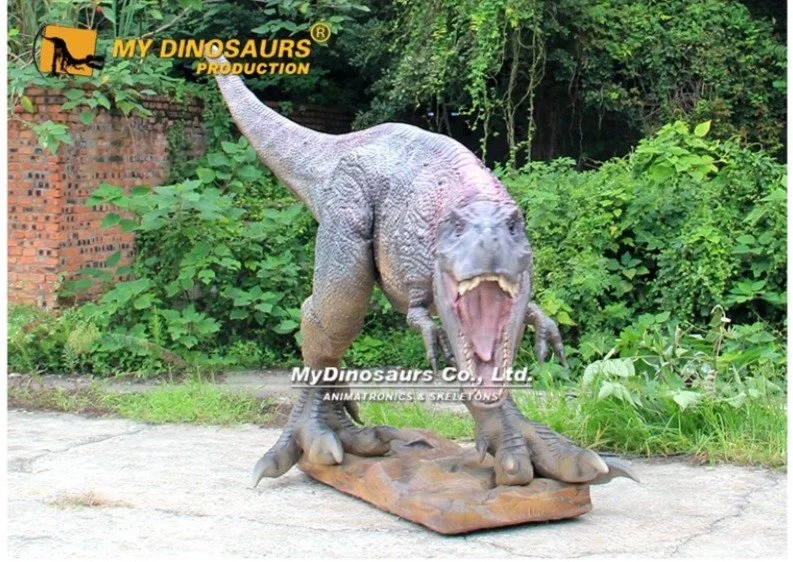
How Much Does an Animatronic Dinosaur for Sale Cost Today?
Animatronic dinosaurs continue attracting attention across museums, shopping centers, educational exhibits, and entertainment venues worldwide. Their realistic movement and lifelike appearance create immersive experiences that appeal to visitors of all ages. As dinosaur-themed attractions continue growing in popularity, many buyers are now exploring more affordable ways to invest in these displays without sacrificing quality.
The market for an animatronic dinosaur for sale has expanded significantly in recent years. Buyers now have access to a wider variety of models, movement systems, and pricing options suited for different budgets and applications. From small educational exhibits to large outdoor attractions, animatronic dinosaurs are becoming more accessible for businesses, schools, and event organizers looking to create memorable experiences.
Why Animatronic Dinosaurs Remain Popular
Dinosaurs continue capturing public interest because they combine education, entertainment, and interactive storytelling. Many attractions use animatronic displays to increase visitor engagement and encourage repeat attendance.
Modern audiences are especially drawn to immersive exhibits that feel realistic and interactive. Moving dinosaur displays often become central attractions because they create strong visual impact and encourage visitors to spend more time at a venue.
Main Factors That Affect Pricing
The price of an animatronic dinosaur depends on several important factors. Understanding these elements helps buyers set more realistic expectations before making a purchase.
Dinosaur Size
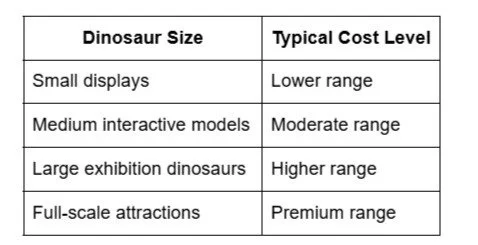
One of the biggest pricing differences comes from the size of the model. Small indoor displays are usually more affordable because they require fewer materials and smaller motion systems. Full-scale dinosaurs designed for outdoor exhibitions cost more due to their larger steel frames, motors, and installation requirements.
Movement Complexity
Movement features also influence pricing significantly. Basic models may only include head movement and sound effects, while advanced systems can simulate breathing, walking motions, blinking eyes, and synchronized tail movement.
More advanced motion systems increase realism but also raise manufacturing and maintenance costs.
Material Quality
Most modern animatronic dinosaurs use steel frames, high-density foam, silicone skin, and weather-resistant coatings. Outdoor installations usually require stronger protection against rain, sunlight, and temperature changes.
Higher-quality materials may cost more initially, but they often improve durability and reduce long-term repair expenses.
Different Price Categories in Today’s Market
The animatronics market now offers flexible pricing options for different industries and project sizes.
Entry-Level Models
Smaller entry-level dinosaurs are commonly used for indoor events, schools, and temporary exhibits. These displays usually focus on basic movement and sound while maintaining realistic visual detail.
Because they are easier to transport and install, they remain one of the most affordable options for first-time buyers.
Mid-Range Interactive Displays
Mid-range models balance affordability with stronger movement performance and more realistic appearance. These displays are frequently used in museums, family entertainment centers, and traveling exhibitions.
This category is often considered the most practical choice for buyers seeking a balance between cost and visitor engagement.
Premium Exhibition Dinosaurs
Large exhibition-grade dinosaurs are designed for major attractions and theme parks. These models often include advanced interactive features, complex movement systems, and highly detailed finishing.
Although they require larger budgets, premium displays can create stronger long-term visitor impact and higher attraction value.
Additional Costs Buyers Should Expect
The listed purchase price is not the only expense involved when buying animatronic dinosaurs. Several other operational costs should also be considered.
Shipping and Transportation
Large dinosaur models often require specialized transportation because of their size and weight. International shipping, protective packaging, and import fees may increase the total cost significantly.
Installation Requirements
Some displays require professional installation to ensure safe operation and proper movement performance. Electrical setup, structural support, and environmental protection may all affect installation costs.
Ongoing Maintenance
Animatronic systems contain motors, electronic controls, sound systems, and moving parts that require routine maintenance over time. Proper maintenance helps preserve appearance, movement quality, and operational safety.
Customization Options and Pricing
Many buyers request customized dinosaur designs to match specific themes or exhibit goals. Customization often increases the final price but can improve the uniqueness and overall visitor experience of the attraction.
Customized features may include:
Interactive sensors
Lighting effects
Themed paint designs
Synchronized sound systems
Motion-triggered responses
Large attractions often invest in custom displays to create stronger audience engagement and more recognizable exhibits.
Affordable Alternatives for Smaller Budgets
Not every project requires a giant dinosaur exhibit. In 2026, many suppliers offer compact and modular solutions designed for smaller venues and educational environments.
Compact Interactive Dinosaurs
Smaller dinosaurs remain popular because they require less space, simpler installation, and lower operational costs. These models still provide strong visual appeal while remaining practical for indoor use.
Modular Exhibit Systems
Modular systems allow buyers to expand gradually over time. Instead of purchasing a full exhibition immediately, organizations can add more dinosaurs and interactive features as budgets increase.
This flexible approach helps reduce upfront investment while supporting long-term growth.
How Technology Is Improving Modern Animatronics
Modern animatronic dinosaurs are becoming more advanced thanks to improvements in automation and digital control systems. Newer models often include quieter motors, smoother movement transitions, and programmable operating schedules.
Some advanced systems now support remote monitoring and automated performance control, helping operators manage exhibits more efficiently.
As demand for immersive attractions continues growing, companies like MyDinosaurs contribute to the industry by developing realistic animatronic dinosaur displays designed for educational, commercial, and entertainment applications.
Choosing the Right Dinosaur Display
Selecting the right display depends heavily on the venue size, audience type, and operational goals.
Questions Buyers Should Consider
Before purchasing an animatronic dinosaur, buyers should evaluate:
Will the display be used indoors or outdoors?
How much maintenance support is available?
Is portability important for the installation?
What level of realism is required?
How much daily interaction will the display receive?
Careful planning helps buyers choose systems that fit both their budget and long-term operational needs.
Why Long-Term Value Matters
Focusing only on the lowest purchase price may lead to larger expenses later. Lower-cost models sometimes require more frequent repairs or provide less realistic movement quality.
Reliable displays with durable materials and stable performance often provide better long-term value by reducing maintenance costs and improving visitor satisfaction over time.
Conclusion
The cost of an animatronic dinosaur for sale today depends on several factors, including size, movement complexity, material quality, and customization. Fortunately, the market now offers a wider range of affordable options for schools, museums, entertainment venues, and event organizers.
By understanding the main pricing factors and planning carefully for installation and maintenance, buyers can choose displays that balance realism, operational reliability, and long-term value. As technology continues advancing, animatronic dinosaurs are becoming more accessible and practical for attractions of all sizes.