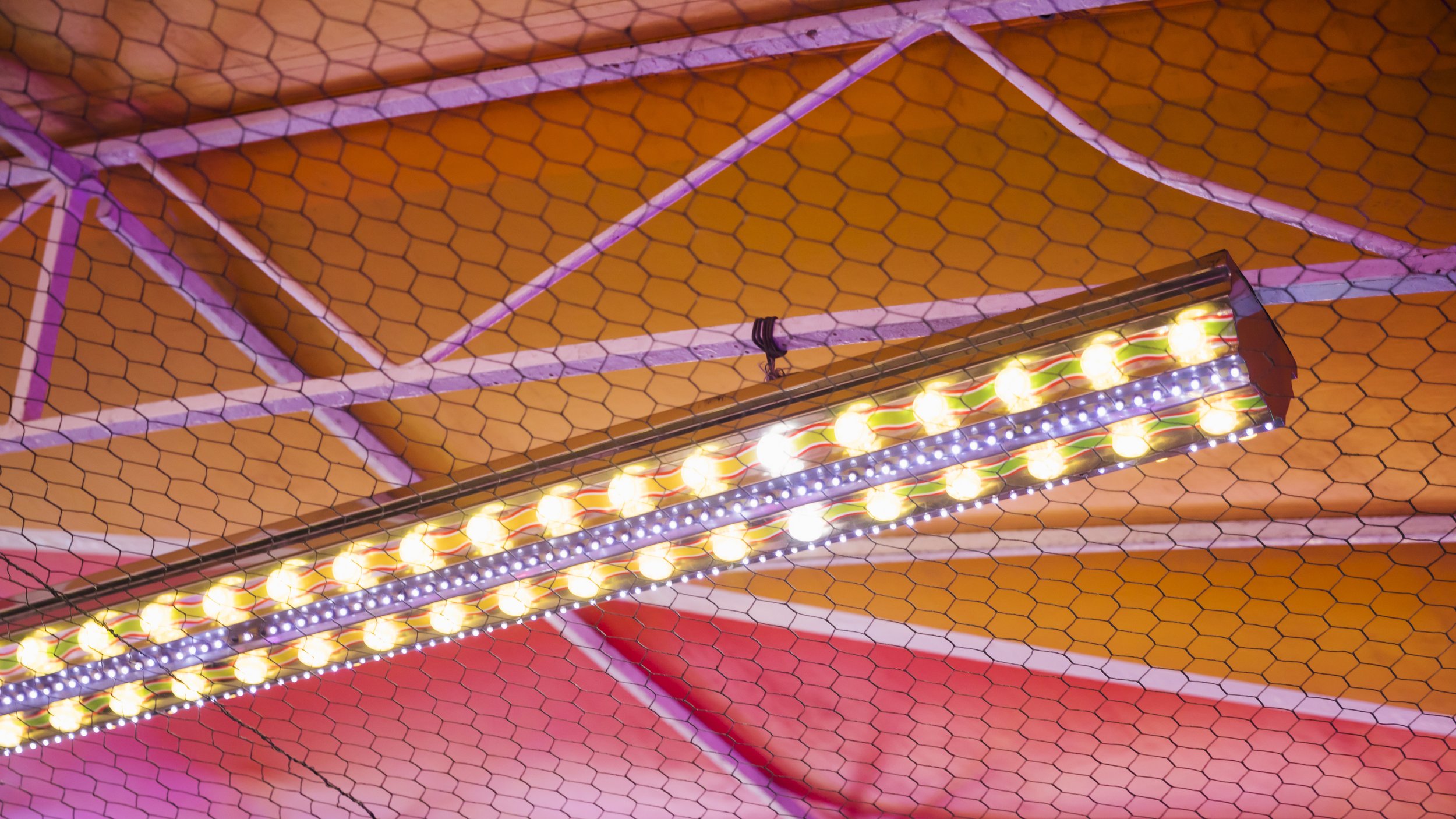
How LED Inspection Lights Improve Accuracy In Automotive And Industrial Work
Accurate surface inspection is important in automotive and industrial work, but standard shop lights often make it hard to see small scratches, sanding marks, swirl marks, and other defects. These hidden issues can go unnoticed until the next step, where they take more time to fix and can affect the quality of the final finish.
Since each step depends on the one before it, clear visibility is important throughout the entire process.
LED inspection lights are designed for detailed inspection instead of general workspace lighting. Their focused light makes fine defects easier to see, allowing you to evaluate your work more accurately before sanding, painting, polishing, or coating.
By finding problems early, you can reduce extra work and achieve more consistent, high-quality results. This article explains how LED inspection lights improve accuracy, make inspections easier, reduce extra work, and help you achieve better results in automotive and industrial work.
1. More Accurate Surface Inspections Reduce Rework
Every quality finish begins with a careful inspection, and an LED inspection light gives you a much clearer view than standard shop lighting. Focused LED light reveals scratches, swirl marks, sanding marks, and other imperfections before they become larger concerns. Once those flaws are clearly visible, you can correct them during the work process before moving to the next stage.
After each correction, another quick check confirms that the workpiece is ready for sanding, painting, polishing, or coating.
Checking the material between stages helps prevent small flaws from becoming harder to correct later in the process. Small adjustments made at the right time are usually quicker and easier than correcting defects after several finishing steps have already been completed.
This step-by-step approach keeps small issues from carrying through the rest of your work. Because each stage builds on the last one, finding imperfections early reduces rework and keeps the workflow moving smoothly.
2. Advanced Lighting Features Reveal Hidden Surface Defects
Fine flaws become easier to find when light reaches the work area from the right angle. Standard overhead lighting often spreads light across the room instead of directing it where you need it most. Light that strikes the material at a shallow angle creates greater contrast, making shallow scratches and uneven areas stand out more clearly. Because of that difference, small marks can blend into the finish.
LED inspection lights use a daylight color temperature between 5,500K and 6,000K, allowing you to see colors more naturally during inspection. Angled lenses direct light toward the area, while a smooth, even beam reduces uneven illumination across your work zone.
Together, these features make scratches, sanding marks, swirl marks, and other imperfections up to ten times more visible, improving accuracy across every section. The more evenly the workpiece is illuminated, the easier it becomes to judge its condition before moving forward.
In addition, consistent lighting reduces the chance of overlooking isolated defects in corners, edges, or curved areas where uneven illumination often makes evaluation more difficult.
3. Low Heat Makes Long Inspection Sessions More Comfortable
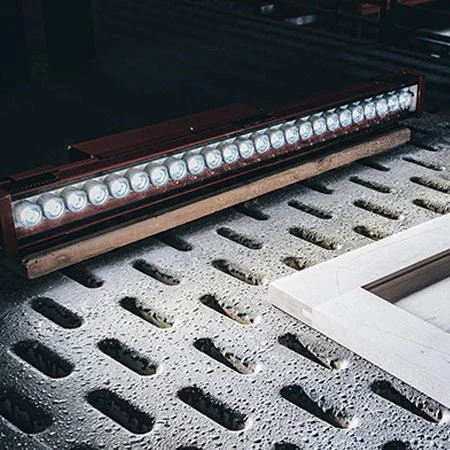
Inspection lighting often stays close to the work area for extended periods, especially during detailed checks. Traditional lighting can add extra heat around the workspace, making long sessions less comfortable and harder to manage.
As the temperature rises, staying focused on small details becomes more difficult during long inspection sessions.
LED inspection lights produce very little heat while still delivering bright, focused light. This helps keep the work area comfortable, even during longer sessions.
A cooler environment makes it easier to stay focused and maintain a steady pace from one section to the next. As a result, you can spot small defects without distraction.
With fewer interruptions caused by heat, you can spend more time checking quality and less time adjusting your work environment.
4. Durable Construction Supports Daily Automotive And Industrial Work
Busy work areas place constant demands on every tool you use. Regular movement, vibration, and everyday shop activity require equipment that can perform reliably over time. Strong construction helps your inspection light continue working under those conditions.
Designed to resist shock and vibration, LED inspection lights are well suited for daily automotive and industrial work. Reliable equipment reduces unexpected interruptions, allowing inspections to continue without frequent maintenance or replacement.
Consistent lighting performance means you can evaluate multiple workpieces without changes in brightness affecting your assessment. Each LED offers a lifespan of approximately 30,000 to 50,000 hours.
That long service life reduces replacement needs, limits interruptions, and provides dependable lighting for years of regular use. Fewer replacements also help maintain a consistent inspection setup, allowing you to work without unexpected changes in lighting performance.
5. Energy-Efficient Operation Supports Everyday Use
Bright light does not always require high power use. Efficient operation provides strong illumination while keeping energy consumption low. That balance makes regular inspections easier to manage throughout the workday.
Operating within a range of 0 to 60 watts, LED inspection lights still produce a concentrated beam. Lower energy consumption makes LED inspection lights practical for repeated inspections throughout the workday while allowing them to remain in use for long periods without unnecessary power demands.
Reliable performance and efficient operation work together to provide dependable results every time you check a workpiece.
6. Consistent Inspections Lead To Better Finished Results
Consistent inspections help maintain quality throughout every stage of the finishing process. When each stage is checked carefully, fewer imperfections reach the final finishing phase. That approach supports smoother transitions between sanding, painting, polishing, and coating.
A structured inspection routine improves workflow by reducing interruptions caused by missed issues. With fewer corrections needed at later stages, work progresses more efficiently and predictably.
Uniform quality creates a stronger foundation for paint, coatings, and polishing. As a result, every finishing stage delivers more consistent results. Better preparation at each stage allows later steps to produce a cleaner appearance with fewer unexpected corrections before completion.
The finished result appears more consistent, polished, and professional. Consistent inspection practices also make it easier to maintain the same quality standards across every project, regardless of the size or complexity of the work.
Bottom Line
Clear visibility plays an important role in accurate automotive and industrial surface inspections. LED inspection lights combine daylight color temperature, angled lenses, smooth beam quality, low heat output, durable construction, long service life, and energy-efficient operation to support reliable inspections throughout the workday.
Early defect detection reduces unnecessary rework while improving consistency from one stage to the next. When every inspection provides a clearer view of the workpiece, you can make corrections with confidence and achieve a cleaner, more professional finished result.