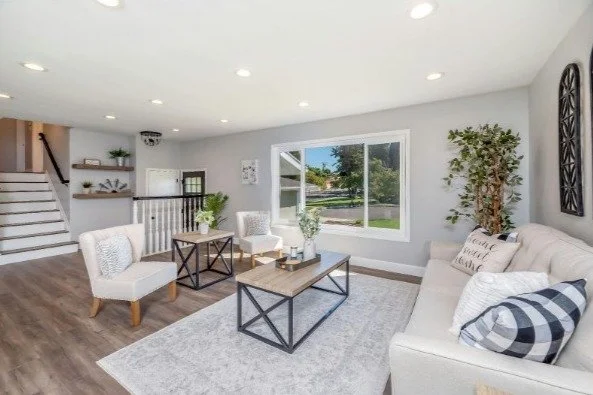
How Choosing The Right Rug Can Transform The Look Of Any Room
A rug does more than cover floors. It frames furniture, softens acoustics, and guides the eye so a room feels intentional rather than improvised.
The right choice can calm a busy space or energize a quiet one. It can make a compact room read larger, or pull a big room together so it feels warm and connected.
Why Rugs Change The Room
Think of a rug as the room’s stage. It tells the furniture where to stand and helps every piece perform together.
Scale matters because the rug sets the visual boundary. Options such as Rug&Carpet vintage rugs can add character and patina. They make new rooms feel settled, lived in, and layered.
Texture and pile influence acoustics and comfort. A thicker weave absorbs sound and adds softness underfoot, while a flatweave keeps things crisp and easy to move chairs across.
The Make-Or-Break Details
Getting the size wrong can throw off the whole composition. Too small, and everything looks like it’s floating in the middle.
Design editors at Livingetc have noted a simple rule. Place at least the front legs of the seating on the rug to anchor the arrangement. They explain that this connects pieces visually so the layout reads as one unified zone.
In bedrooms, aim for generous coverage on the sides and foot of the bed so mornings start on a soft surface. In dining rooms, allow enough rug beyond the table so that chairs stay on it when pulled out.
Color That Sets The Mood
Color changes how spacious, cozy, or fresh a room feels. It also shifts with daylight, lamp light, and shadows.
A report from Livingetc points out that beige-on-beige is fading, while rich browns, taupes, and clay tones feel current and grounded. Those earthier shades bring warmth and pair well with woods, stone, and aged metals.
If your walls and sofa are neutral, try a rug with saturated accents to add life. If your room already has a strong color, choose a rug that echoes one hue softly so it ties things together without shouting.
Texture And Trend
Texture adds depth you can see and feel. High-low piles, knotted patterns, and nubby wool create subtle shadows that look luxe even in simple rooms.
Homes & Gardens recently described texture-maxxing as a 2026 direction, with rugs leading the push for warmth and tactility. That means chunky weaves, sculpted patterns, and plush piles that invite bare feet.
Natural materials like wool and jute still carry the room with quiet confidence. Blends and performance fibers help in high-traffic spots where you need easy care.
Defining Zones In Open Spaces
Open layouts can feel aimless without clear borders. Rugs solve this by setting zones for sitting, dining, and working.
Keep each zone’s rug large enough that the main pieces sit partly on it. Matching the tones between rugs helps the whole floor plan feel continuous rather than chopped up.
Use shape to your advantage - a round rug can soften sharp angles in a boxy room. A runner can connect a reading chair to a bookcase, guiding the path the way lighting does.
Quick zoning ideas:
Use a darker rug to visually ground a lounge area.
Echo a sofa stripe with a subtle rug stripe for cohesion.
Layer a small vintage rug over a large neutral base for character.
Repeat one accent color across multiple rugs to link zones.
Pattern, Scale, And Visual Balance
Pattern brings personality, but scale is what makes it work. Small patterns read as texture from a distance, while big motifs can dominate the view.
Balance busy patterns with calmer upholstery so the room doesn’t feel loud. If your curtains are patterned, try a rug with a related geometry in a quieter palette.
Stripes can lengthen a room if they run along the long wall. Medallion or central motifs work well where you want a focal point, like beneath a chandelier.
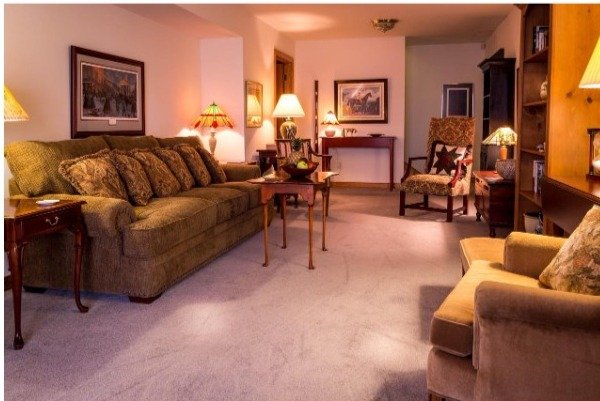
Styling Small, Medium, And Large Rooms
In small rooms, choose a rug that reaches under furniture edges so the floor line looks continuous. That visual sweep makes the footprint feel bigger.
In medium rooms, let the rug align with major furniture edges to pull the grouping together. Consistent margins between the rug and the walls keep the look tidy.
In large rooms, use multiple rugs to define zones while keeping a common thread in color or texture. Layering a flatweave under a vintage piece adds depth without extra heaviness.
Rugs are part of a larger composition. Coordinate lamp shades, pillows, and throws so they echo the rug’s texture or tone.
When in doubt, test with painter’s tape to outline potential sizes on the floor. That quick step saves time and prevents scale mistakes.
A well-chosen rug can rewrite the story of your room. It frames your furniture, sets the mood, and makes the space feel finished in a way paint and pillows rarely do alone.