How Centralized App Delivery Improves Campus IT
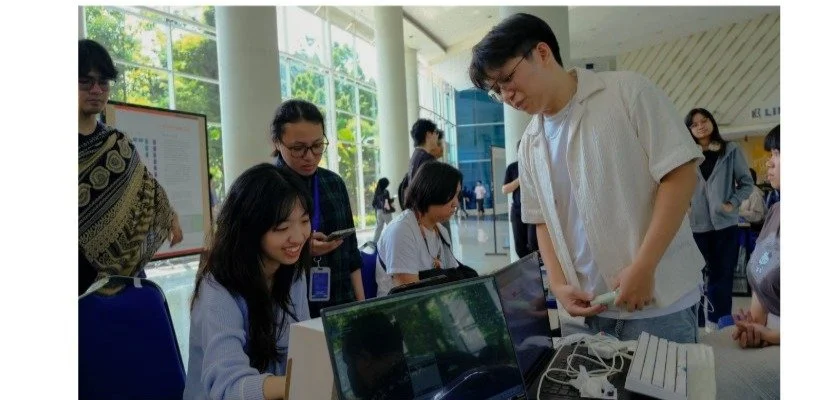
Modern higher education spaces mirror high-end corporate hubs and co-working spaces. Students arrive on campus expecting seamless digital access to specialized software across personal laptops, tablets, and desktop workstations. Managing hundreds of software packages across physical labs creates massive technical hurdles for university tech directors. Centralized software delivery solves this challenge by streaming applications directly to end-user devices on demand.
Rethinking Modern Campus Infrastructure
Higher education facilities spend millions constructing sleek computer labs and academic centers. Maintaining physical machines in designated rooms restricts access to specialized tools and limits student mobility. Software binding students to specific locations makes physical footprints inefficient outside class hours.
Campus administrators look toward flexible workspace models similar to modern commercial properties and shared office spaces. Moving software deployment to a central platform allows IT departments to repurpose physical room allocations into collaborative study zones. Students gain freedom to study in open lounges, campus cafes, or residence spaces without losing access to required engineering or design suites. This transformation modernizes campus architecture and meets expectations for flexible learning environments.
Simplifying Access With On-Demand Software Delivery
Distributing software individually to thousands of devices demands endless hours of manual configuration and image rebuilding. Higher education institutions streamline software access through AppsAnywhere and similar trusted platforms to deliver tools directly to user devices. This approach transforms any personal computer into a fully functional academic workstation within seconds. Technical staff no longer spend semesters managing localized installations or building custom machine images for every classroom.
Centralized deployment removes technical barriers for non-traditional students who split time between campus and home. Users launch complex engineering, statistical, and creative software through a unified web portal. The user experience remains consistent across Windows, macOS, and virtualized environments regardless of physical location.
Streamlining access reduces help desk requests during peak enrollment periods. IT staff handle software distribution centrally without touching individual laptops or lab desktops.
Equity and Tech Expectations for Modern Learners
Incoming college cohorts carry high expectations for digital convenience and remote availability. A study published by EdTech Chronicle noted that evolving student expectations force colleges to invest in hybrid-ready infrastructure and secure equal access to technology. Providing identical software capabilities on personal laptops levels the academic field for students who cannot buy expensive workstation hardware.
Rather than forcing students to buy high-end laptops, campuses deliver heavy computing power remotely. Equal access guarantees that every student completes coursework regardless of personal device specifications or financial background. This shift improves student satisfaction and reduces hardware demands on campus library systems.
Faculty members benefit from standardizing software access across diverse student devices. Instructors spend less time troubleshooting installation bugs during lectures and focus more on course content.
Primary Advantages of Centralized Application Workflows
Adopting a unified app delivery framework changes how university technology teams handle daily operations:
Reduced desktop imaging cycles across physical computer labs
Immediate delivery of course software updates to all active users
Full visibility into software license usage and idle capacity
Flexible access for remote, hybrid, and off-campus study programs
Lower physical lab space requirements across main academic buildings
These operational shifts allow IT professionals to redirect staff energy toward strategic campus projects. Leadership gains clearer insights into software utilization across academic departments, helping guide future software purchases.
Lowering Operational Strain and Maintaining Compliance
Managing software licenses across hundreds of physical machines frequently leads to over-licensing or compliance risks. An analysis by Times Higher Education highlighted that centralized app delivery helps campus IT teams support remote access, maintain compliance, and minimize operational strain. Tracking usage in real time prevents institutions from paying for unused software seats.
Centralized controls simplify security updates and patch management across the network. When vendor vulnerabilities appear, IT teams deploy security fixes centrally rather than patching individual hard drives. This proactive control protects institutional data and maintains strict regulatory compliance across departments.
Standardizing compliance workflows protects universities from unexpected licensing audit penalties. Automated usage reports give software procurement teams concrete data during annual contract renewals.
Optimizing Server Resources and Hardware Budgets
Physical server maintenance consumes significant portions of campus capital budgets and staff hours. A cloud technology paper from IBM explained that consolidating physical servers into virtual machines reduces the need for extra hardware, saving capital and operational expenses. Integrating virtualization with centralized app delivery maximizes server efficiency across academic departments.
Rather than maintaining separate hardware stacks for individual academic faculties, IT teams pool compute resources effectively. Peak loads during finals week balance automatically across available infrastructure without causing network downtime. Savings on hardware purchases and power consumption directly benefit the university balance sheet.
Long-term cost reductions allow technology departments to reinvest savings into campus networking upgrades. Efficient server management supports institutional sustainability goals by lowering energy consumption across campus data centers.
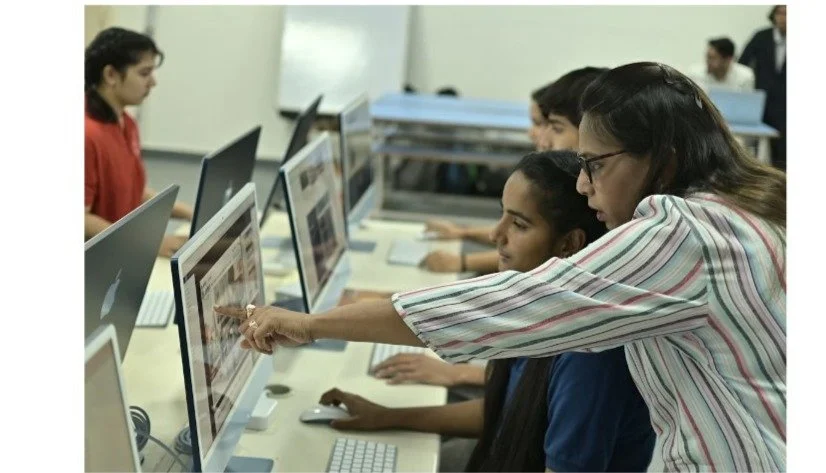
Centralized application delivery represents a smart upgrade for modern higher education infrastructure. By untethering software from physical lab desks, universities create flexible learning spaces that match modern student lifestyles. Tech teams gain operational efficiency, lower hardware costs, and simplified security management. Embracing centralized delivery prepares academic institutions for the next decade of digital learning.