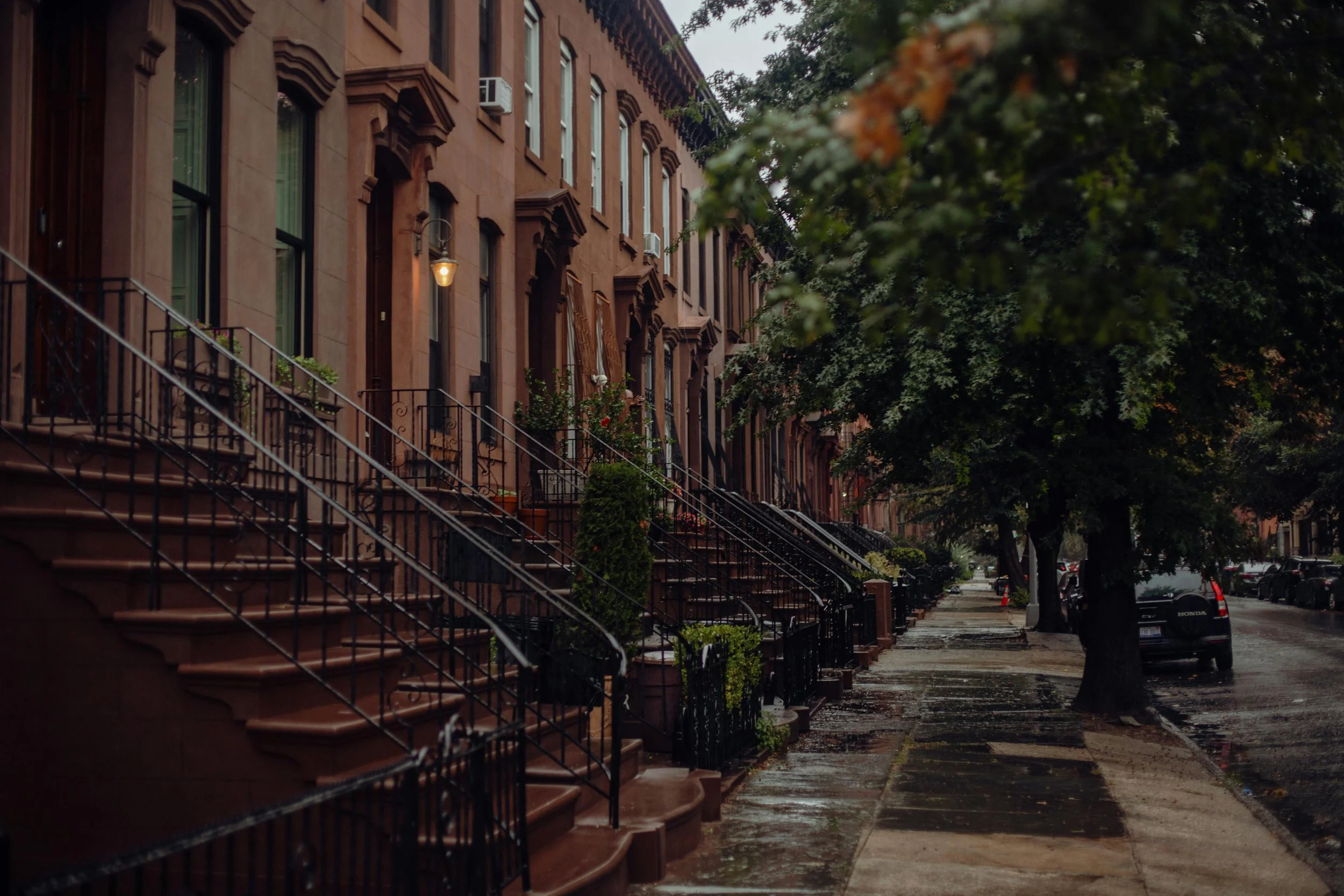
How a Safe Neighborhood Can Uplift One's Life
A safe neighborhood can improve nearly every part of a person’s life, from mental well-being and physical health to financial stability and personal relationships. People who live in secure communities often experience lower stress levels, stronger social connections, and a greater sense of freedom in their daily routines.
Feeling protected at home allows individuals and families to focus on growth, happiness, and long-term goals instead of constant worry. This is one reason why many people actively search for the safest neighborhoods when choosing where to live. A secure environment does not just protect residents from danger. It creates the foundation for a healthier and more fulfilling lifestyle.
Peace of Mind Improves Mental Health
One of the biggest benefits of living in a safe neighborhood is peace of mind. When people feel secure in their surroundings, they can relax and enjoy daily life without fear. Constant concerns about theft, violence, or suspicious activity can create stress and anxiety over time. A safer environment reduces these worries and allows residents to feel more comfortable at home.
Mental health is closely connected to a person’s surroundings. A peaceful neighborhood encourages better sleep, improved emotional balance, and a more positive outlook on life. People who feel secure are also more likely to spend time outdoors, interact with neighbors, and participate in community events, all of which contribute to emotional well-being.
Better Opportunities for Children
Children benefit greatly from growing up in a safe area. They can play outside, ride bicycles, walk to school, and participate in recreational activities with less fear. Parents also feel more confident allowing their children to explore and socialize in secure surroundings.
Safe neighborhoods are often linked to better schools and stronger educational outcomes. Children living in stable communities tend to experience fewer disruptions, which helps them focus on learning and personal development. A calm environment also reduces exposure to violence and negative influences that can affect emotional and academic growth.
In addition, children who grow up in supportive communities often develop stronger social skills and healthier relationships. Seeing neighbors interact positively can teach important values such as trust, cooperation, and respect.
Stronger Community Connections
People are more likely to build relationships when they feel safe around one another. In secure neighborhoods, residents often interact more frequently through local events, walks, parks, or neighborhood gatherings. These interactions help create a sense of belonging and trust within the community.
Strong social connections can have a powerful effect on happiness and quality of life. Neighbors who know and support one another are more likely to look out for each other, creating an even safer and more welcoming environment. This sense of community can be especially valuable during emergencies or difficult times.
Living in a connected neighborhood also reduces feelings of loneliness and isolation. People who feel part of a supportive community often report greater life satisfaction and emotional resilience.
Encourages a Healthier Lifestyle
Safety plays a major role in physical health. When residents feel secure, they are more likely to walk, jog, cycle, or spend time in parks and outdoor spaces. These activities improve fitness levels and reduce the risk of health problems such as obesity, heart disease, and high blood pressure.
Safe neighborhoods also promote healthier routines for families. Parents are more comfortable taking children to playgrounds or allowing them to participate in outdoor sports. Seniors can enjoy walks and social activities without fear, helping them remain active and independent.
A secure environment also contributes to lower stress levels, which benefits overall health. Chronic stress can weaken the immune system and increase the risk of illness. Feeling safe at home helps people maintain both physical and mental wellness.
Financial Stability and Property Value
Living in a safe neighborhood can also provide financial benefits. Homes in low-crime areas often maintain stronger property values over time. Buyers are usually willing to invest more in communities known for safety, good schools, and a strong sense of community.
Stable property values can create long-term financial security for homeowners. In many cases, safer neighborhoods also attract better local businesses, improved infrastructure, and more economic opportunities. These factors contribute to a higher quality of life for residents.
Renters also benefit from secure communities. A safer area can reduce unexpected expenses related to theft, property damage, or security concerns. Feeling comfortable in a neighborhood can also lead to longer-term housing stability.
Increased Freedom and Confidence
A safe neighborhood allows people to enjoy greater personal freedom. Residents can take evening walks, visit local shops, or spend time outdoors without constant fear. This freedom improves confidence and encourages a more active and fulfilling lifestyle.
People often underestimate how much safety affects daily decisions. Feeling unsafe can limit activities, reduce social interaction, and create emotional tension. In contrast, a secure environment encourages people to explore opportunities, connect with others, and enjoy their surroundings more fully.
This sense of freedom is especially important for older adults, children, and families. Knowing that loved ones are protected creates comfort and confidence that positively impacts every aspect of life.
Key Takeaways
Safe neighborhoods reduce stress and improve mental health.
Children perform better academically in secure environments.
Strong community bonds develop more easily in low-crime areas.
Property values often remain stable in safer communities.
Outdoor activities and healthy lifestyles increase when residents feel secure.
A safe environment supports long-term personal and financial growth.