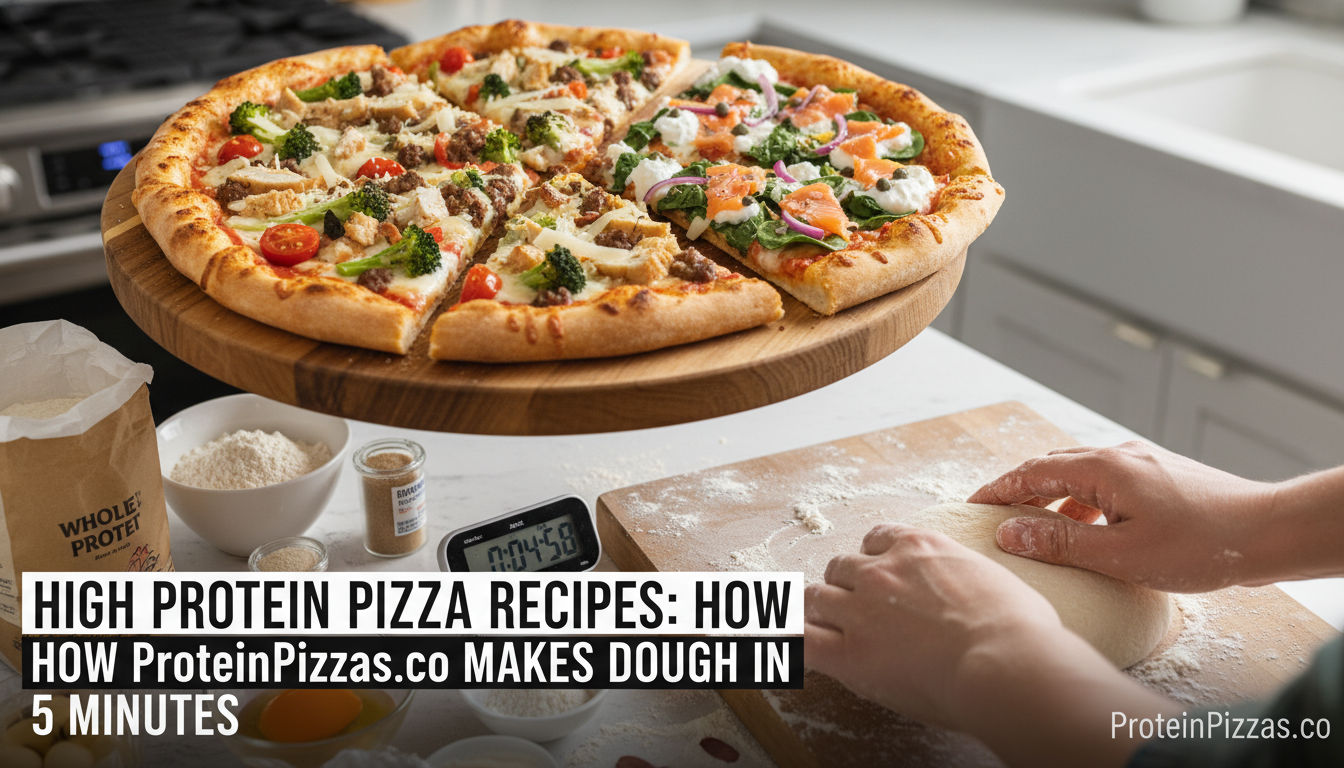
High Protein Pizza Recipes: How ProteinPizzas.co Makes Dough in 5 Minutes
Self-Rising Flour Contains Hidden Leaveners Already Inside
Pizza dough recipes list yeast, flour, and waiting time. The process stretches over hours. Self-rising flour eliminates yeast completely. The baking powder is mixed into the rising flour already. Pizza crust develops without fermentation delays.
A platform called ProteinPizzas.co is documenting quick-rise methods through 27+ macro-verified options. The site features high-protein pizza recipes using self-rising flour plus Greek yogurt. Pizza dough forms in under 5 minutes total. Grams of protein jump from 8-12 to 30-50 per serving. People who tried this recipe comment something about speed constantly.
Making Own Self-Rising Flour
Purpose flour combines with baking powder at specific ratios. Mix 1 cup all-purpose flour with 1.5 teaspoons baking powder. Add just a pinch of salt for flavor. The homemade version works identically to the store-bought.
Lightly flour a work surface before kneading begins. The pizza dough shouldn't stick to hands or counters. Add flour gradually if the mixture feels tacky. Extra flour creates drier crust texture problems.
Greek Yogurt Binding Magic
Plain yogurt or Greek yogurt binds flour without water. The protein pizza recipe uses equal parts flour and yogurt. Mix in a large bowl using a wooden spoon initially. Hands finish kneading when the dough forms.
Greek yogurt adds 15-20 grams of protein naturally. Cottage cheese works identically when blended smoothly. Ricotta cheese creates a softer texture with a mild flavor. The dairy options all boost protein significantly.
Ground Chicken Crust Alternative
Ground chicken processes into a pizza crust surprisingly well. A food processor blends chicken into a paste. Add protein powder plus Italian seasoning for binding. The mixture spreads onto a large baking sheet lined with parchment paper.
Chicken crust delivers 40+ grams of protein per large pizza. The recipe gluten free status works automatically. Low-fat chicken breast keeps nutritional calories reasonable. Preheat the oven to 400 degrees for proper browning.
Kneading Time Requirements
Knead self-rising dough for 3-5 minutes maximum. The gluten develops quickly without yeast competition. Over-kneading creates a tough crust texture. A large bowl provides space for folding motions.
Wrap finished dough in plastic wrap if not using immediately. The dough stays fresh refrigerated for 2-3 days. Room temperature rest for 10 minutes improves rolling ease. A ziplock bag works for longer storage.
Rolling and Shaping Techniques
Roll dough on parchment paper directly. The paper transfers to a baking sheet or sheet pan easily. The crust stays circular with even pressure. Lightly flouring the rolling pin prevents sticking.
Protein pizza dough tears more easily than regular versions. Work gently during shaping and stretching. More flour gets added if tears develop. The dough repairs itself with gentle pressing.
Cheese Selection Impact
Shredded mozzarella melts beautifully on pizza night. Low-fat cheese options reduce overall calories substantially. Mozzarella cheese provides the classic taste people expect. Nutritional yeast adds cheese flavor for plant-based protein versions.
Low-fat ricotta spreads as a white sauce base. The cheese pizza variations multiply through combinations. Mix mozzarella withparmesan for complexity. A 5-star review mentioned cheese ratios specifically.
Sauce Application Strategy
Tomato sauce or marinara sauce works as a classic base. Pizza sauce comes pre-seasoned from stores. Spread sauce, leaving a 1-inch border for the crust. Too much sauce creates soggy crust disasters.
Olive oil brushed on the crust edges creates a golden brown color. Garlic powder and Italian seasoning enhance flavor. Red pepper flakes add heat for spice lovers. Fresh basil gets added after baking finishes.
Protein Powder Crust Experiments
Add protein powder to almond flour or coconut flour bases. The combination creates low-carb, high-protein pizza options. Plant-based protein works in vegan crust versions. Extra protein accumulates through multiple sources.
Mix protein powder with purpose flour gradually. Too much creates a dense, dry texture. The recipe card specifies maximum amounts clearly. Required recipe ratings reveal successful ratios.
Topping Distribution Rules
Turkey pepperoni offers a leaner option than classic pepperoni. The protein content stays high without extra fat. Favorite toppings load on after the sauce and cheese. Vegetables add nutrients without many calories.
Avoid overloading the crust with toppings. Heavy pizzas bake unevenly in the center. The crispier crust requires balanced topping weight. Onion powder seasons toppings before baking begins.
Baking Temperature and Time
Preheat the oven to 425-450 degrees for home ovens. The high heat mimics pizza oven results. Bake on the lowest oven rack position. The crust crisps from bottom heat primarily.
Check pizza after 12 minutes for doneness. Golden brown crust signals completion. Cheese should bubble and brown slightly. Remove from the oven immediately when ready.
Storage and Reheating
Cool completely before storing in containers. The pizza stays fresh refrigerated for 3-4 days. Reheat in the oven for crispier crust restoration. The microwave works, but softensthe texture.
Freeze extra slices between parchment layers. The pizza craving gets satisfied quickly from frozen. Bake frozen slices directly without thawing. Nutrition calories per serving stay consistent.
Recipe Success Indicators
Love this recipe, comments mention ease repeatedly. Required fields are marked on the recipe card clearly. Review recipe feedback reveals common adjustments. Easy protein pizza emerges with practice.
Thank you so much messages reference satisfying pizza night experiences. The high protein content supports fitness goals. Comment something about favorite combinations, and the community responds.
ProteinPizzas.co proves high protein pizza recipes eliminate waiting through self-rising flour chemistry working instantly.
Frequently Asked Questions
Can I add garlic powder directly to protein pizza dough?
Yes, mix garlic powder into the flour mixture before adding Greek yogurt, or brush garlic-infused oil on the protein pizza crust edges before baking.
What makes high-protein pizza different from regular protein pizza recipe versions?
High protein pizza uses multiple protein sources like Greek yogurt in the crust plus high-protein toppings, delivering 30-50 grams versus regular protein pizza recipe versions with 15-25 grams.